Spain’s snap election tests Sánchez’s weakened parliamentary support
Pedro Sánchez has called an election for 29 November after parliament rejected housing measures, as his government struggles to secure support.
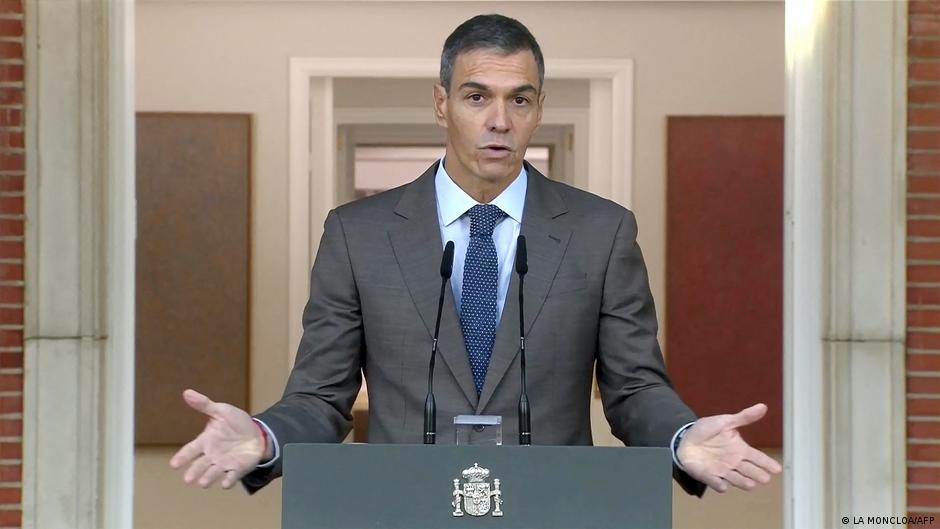
Spain’s Prime Minister Pedro Sánchez has called a snap election for 29 November, seeking to break a prolonged parliamentary deadlock. He said he wants a “much broader progressive majority”.
The announcement followed parliament’s rejection of emergency housing measures on 2 October. Seven Junts lawmakers voted against the proposals, further weakening a government that has relied on the party’s support since 2023.
The Deutsche Welle account describes a government under sustained pressure: Spain has not passed a regular budget since 2023, and the government lost almost one in four parliamentary votes in the first half of 2026.
Housing is expected to be central to the campaign. Bank of Spain estimates cited by Deutsche Welle put the current shortage at about 750,000 homes, with the figure potentially exceeding one million by 2028. Migration, corruption allegations involving the governing Spanish Socialist Workers’ Party and people close to Sánchez, and the rise of Vox are also likely to feature.
The conservative People’s Party is described as a contender to win the largest parliamentary group, while Vox is reported to be polling at just over 18 per cent, around six percentage points above its 2023 result. The election outcome, and whether Sánchez can broaden his support, remain uncertain.