Spain’s ‘Empty Regions’ Targeted for Eclipse Tourism Surge Amid Transport Strain
With trains to key viewing areas fully booked and Madrid emptying, experts project significant revenue for Castile and Leon and the Valencian community from the 2026 astronomical event.
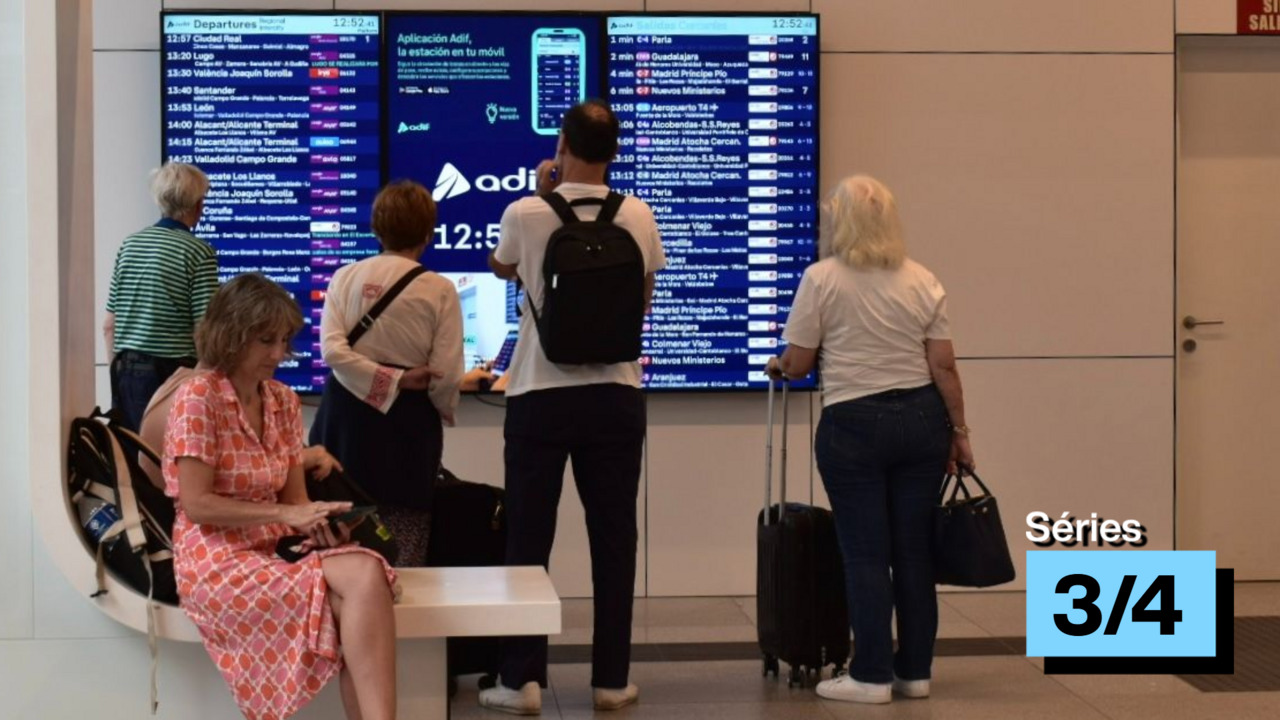
Thousands of travellers converged on northern and eastern Spain on Wednesday, 12 August 2026, to witness the total solar eclipse, creating significant pressure on national transport infrastructure. As residents flocked to the path of totality, the capital of Madrid emptied, while stations such as Madrid-Chamartin-Clara Campoamor saw queues for compulsory baggage checks lengthen considerably.
Rail services to critical viewing hubs were operating at full capacity. The vast majority of trains to Leon in northwestern Spain were fully booked, with no seats remaining on services to Gijon and A Coruna in the Asturias region for both Tuesday and Wednesday. Social media platforms saw a rapid influx of posts from eclipse chasers coordinating carpools and sharing last-minute viewing locations as the event approached.
International visitors, including families from France and the United States, travelled specifically to witness the phenomenon. Some planned to view the eclipse from beaches or rural villages, while others, such as a family from New York, had arranged their trip solely for this occasion, intending to watch from the Valencian coast alongside relatives.
The astronomical event is anticipated to deliver substantial economic benefits, particularly for rural areas in Castile and Leon and the Valencian community. Experts view the eclipse as a historic opportunity to stimulate tourism in inland Spain, historically referred to as ‘Empty Spain’ due to the rural exodus of the 1950s and 1960s.
A report by International Financial Analysts (AFI) for Airbnb projects that eclipses in 2026, 2027, and 2028 could generate more than 1.3 billion euros in tourism spending across Spain. Castile and Leon is ranked among the autonomous communities with the highest projected economic impact, alongside the Valencian community and Madrid.
The celestial spectacle is further enhanced by the Perseid meteor shower, considered the best of the year, which is expected to coincide with the eclipse. This combination of events has drawn enthusiasts from across mainland Europe, marking the continent’s first total solar eclipse since 1999.