Spain’s Congress backs citizenship route for Sahrawis, testing ties with Morocco
The proposed pathway would cover Sahrawis born in Western Sahara before 29 September 1977 and their first-degree descendants, but still requires Senate approval.
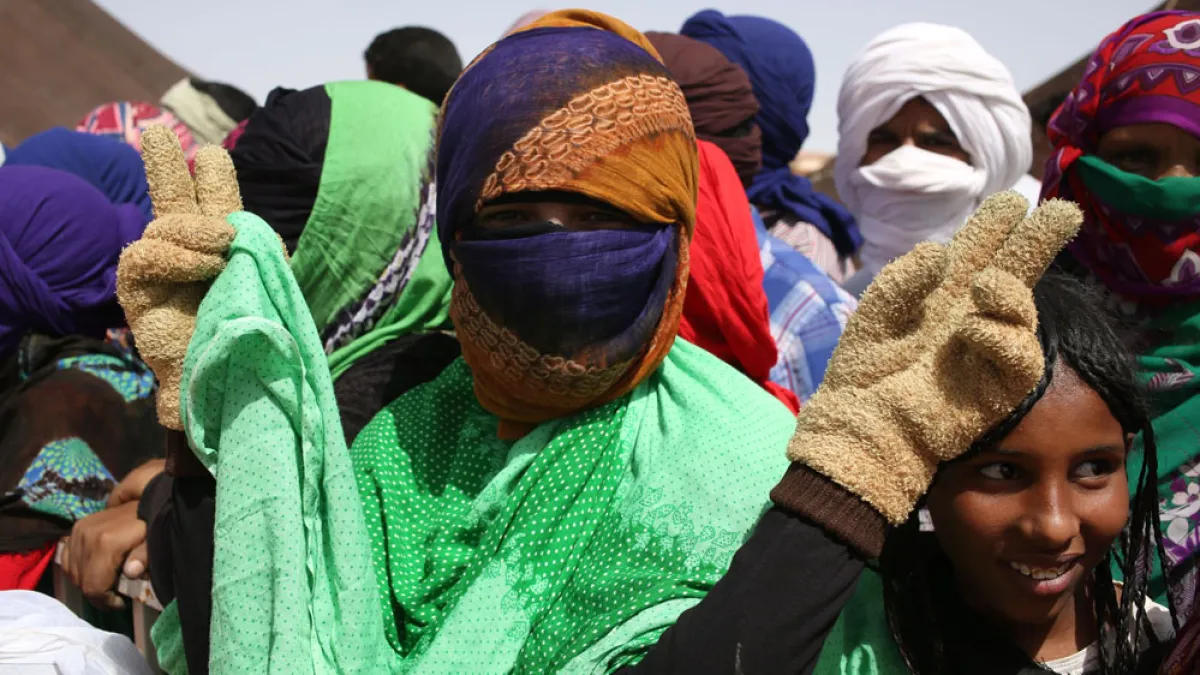
Spain’s Congress has approved a bill creating a special route to Spanish citizenship for Sahrawis born in Western Sahara before 29 September 1977 and their first-degree descendants. The measure passed by 168 votes to 31, with 145 abstentions, and must still be approved by the Senate.
Eligible Sahrawis legally resident in Spain would be able to apply after two years, compared with the usual 10-year residency requirement. The proposed procedure would also allow eligible applicants to seek nationality without meeting normal residency requirements.
The bill is framed by its supporters as a response to the legacy of Spain’s colonial administration, which ended in Western Sahara in 1976. It would not alter the territory’s status, recognise an independent Sahrawi state or grant citizenship holders sovereignty over Western Sahara.
Morocco claims sovereignty over the disputed territory, while the Polisario Front seeks independence. The measure has attracted concern in Rabat because it could create a larger community of Spanish and European Union citizens with direct or family links to Western Sahara. Reuters has reported estimates of between 70,000 and 110,000 potential beneficiaries, although the figures vary.
The bill follows Spain’s 2022 decision to back Morocco’s autonomy proposal for Western Sahara, a shift that helped repair strained relations between Madrid and Rabat and was followed by closer cooperation on migration, security and trade. The citizenship measure does not formally change that position, but its connection to Spain’s colonial history has made it part of a wider political debate.
Spain’s governing Socialist Party and Sumar supported the bill, while the People’s Party abstained and Vox opposed it. Its final wording, Senate prospects and implementation details remain unsettled, as does the extent of any diplomatic impact on Spain-Morocco relations.