Spain footballers awarded €150,000 championship rings following World Cup victory
The Royal Spanish Football Federation has distributed 2,026 rings valued at approximately €150,000 each, with 30 allocated to the squad and 1,996 available to fans, cementing Spain’s status as the dominant force in global football after their second World Cup title.
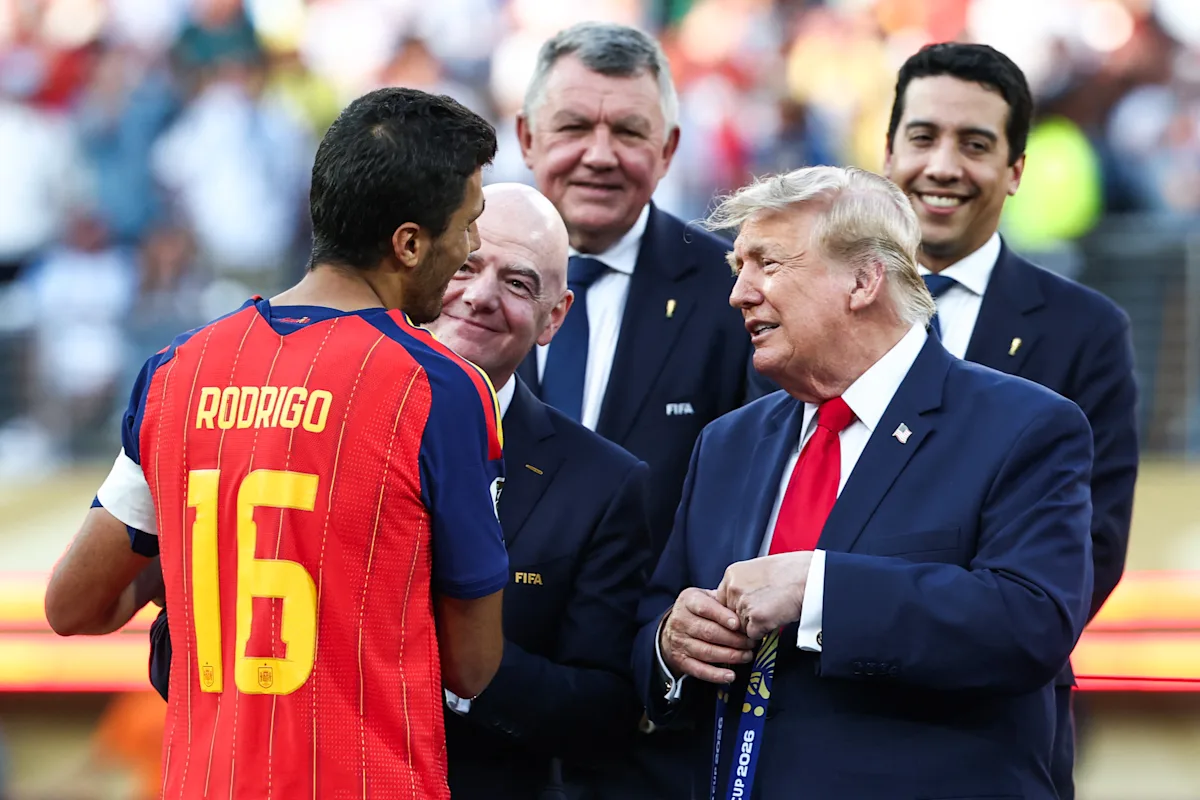
The Spanish national football team has received commemorative championship rings valued at approximately €150,000 each, following their World Cup victory. The awarding of these jewels mirrors the tradition of the National Basketball Association, a protocol adopted specifically because the tournament was hosted in the United States. This marks a significant institutional shift for the sport, aligning football’s highest honour with established American sporting customs.
A total of 2,026 rings will be distributed, with 30 allocated to the winning squad members and 1,996 available for purchase by fans globally. The rings are described as unique pieces covered in precious stones, personalised with engravings, and accompanied by a certificate of authenticity. The estimated carat weight of the rings is reported to range between 14 and 18 carats, though this figure requires careful interpretation regarding whether it refers to gold weight or diamond content.
Spain secured their second World Cup title with an extra-time victory over Argentina, who were reduced to ten men late in the match following a second yellow card for Enzo Fernandez. This victory completes a double for the national side, following their triumph at Euro 2024, and establishes them as the most complete side in the current global football landscape. The Royal Spanish Football Federation has framed this achievement as a major institutional milestone.
The decision to award rings reflects the broader context of the tournament’s hosting in the United States, where public awareness of the World Cup remains low compared to the concurrent NBA Finals. Despite high ticket prices and limited engagement among non-football fans in major markets such as New York and Los Angeles, the adoption of this tradition signals an effort to integrate the event into the American sports calendar.
The distribution of these rings highlights the commercial and ceremonial expansion of the World Cup’s legacy. While the 30 rings for the players serve as a personal commemoration of their athletic achievement, the availability of nearly 2,000 additional rings for public purchase underscores the growing monetisation of football’s premier event. This approach contrasts with previous tournaments, where such tangible memorabilia was not a standard feature of the victory ceremony.
The source material notes that the initial report was translated into English by Artificial Intelligence, which may introduce inaccuracies in specific details such as the carat weight or exact distribution numbers. Nevertheless, the core facts regarding the value, quantity, and rationale for the rings remain consistent across the reporting. The rings represent a new precedent for football World Cup winners, blending traditional sporting honour with modern commercial practices.
As the Spanish team celebrates this historic double, the introduction of championship rings sets a potential template for future tournaments hosted in nations with strong traditions of such awards. The move reflects the evolving nature of international football, where institutional decisions increasingly mirror the commercial and cultural norms of host nations.