Spain escalates Schengen dispute with Italy over migration controls
Madrid cites persistent irregular migration pressure in response to Rome’s one-month restrictions, suspending visa-free travel arrangements until September 7.
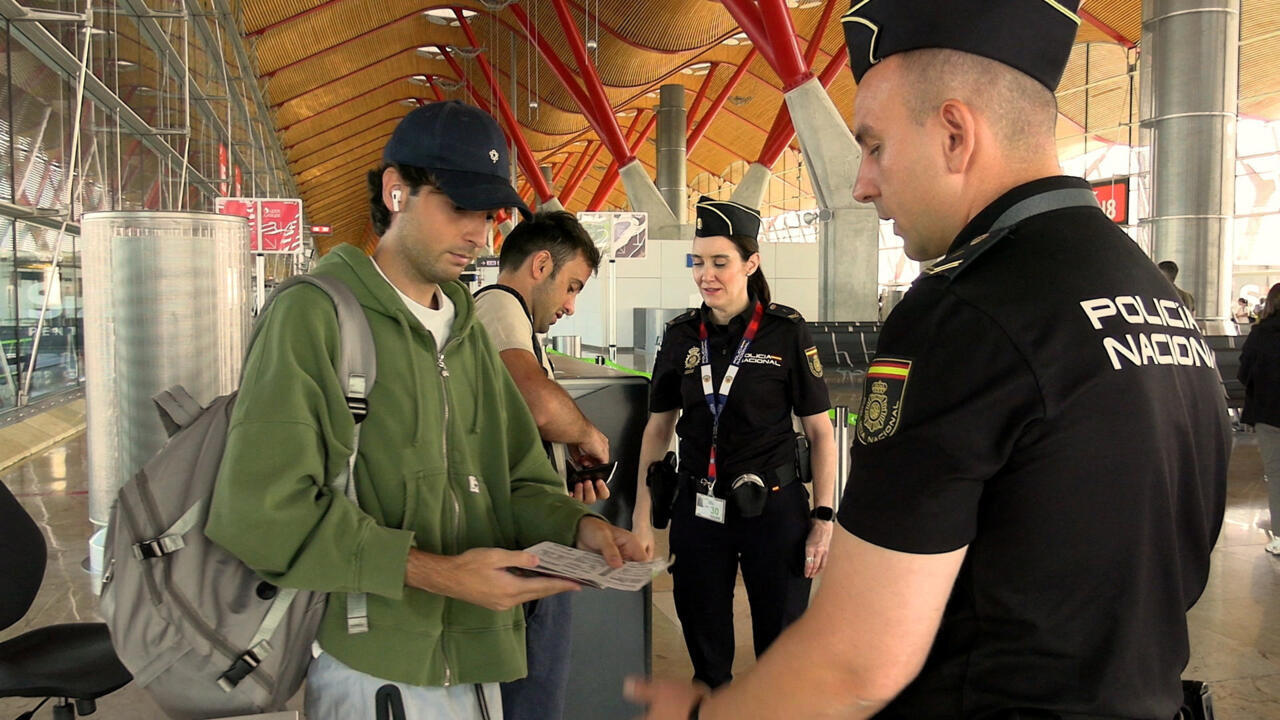
Spain has introduced temporary border checks on travellers arriving from Italy, marking a significant escalation in a diplomatic dispute between the two European Union partners over migration policy. The measures, which commenced on Saturday, directly respond to Italy’s decision to impose similar controls on Spanish travellers earlier this month.
Spain’s interior ministry announced the heightened controls on Friday, stating they would remain in place until September 7. The justification provided was "persistent irregular migration pressure" facing Italy, a claim that has deepened tensions between the two nations and their respective governments.
The row began on July 31, when Italy’s hard-right government imposed one month of border checks on travellers from Spain. This decision was taken in the wake of an unprecedented influx of more than 70,000 migrants crossing from Morocco into the Spanish north African enclave of Ceuta on July 30 and 31. Spain’s left-wing government has formally complained that Rome unfairly imposed the initial controls.
Despite the large-scale movement of people, almost all migrants who entered Ceuta returned to Morocco within 48 hours. Under current regulations for the enclave, migrants cannot travel onward to continental Europe without passing additional border checks, a protocol that has long been a point of contention in European migration management.
The implementation of these checks has suspended the EU’s Schengen Area visa-free travel arrangements between the two countries. While the specific number of travellers affected has not been detailed, the move has alarmed other European nations, particularly right-wing governments that have been urging tougher rules on irregular migration.
On the ground, the diplomatic friction has drawn mixed reactions. Maria Celeste Grillo, a 36-year-old Italian tourist who arrived in Madrid, reported no additional checks upon disembarking but described the governments' decisions as "sad" and noted a lack of diplomacy in the handling of the crisis.
Spain and Italy are key partners within both the European Union and NATO, making the suspension of Schengen protocols a notable disruption to regional integration. The long-term impact on bilateral relations remains unclear as the temporary measures take effect.