Spain claim second World Cup title through tactical discipline and collective ethos
A cohesive, team-first approach and a tournament-low defensive record underpin Spain’s 2026 FIFA World Cup victory, as reported by ESPN.
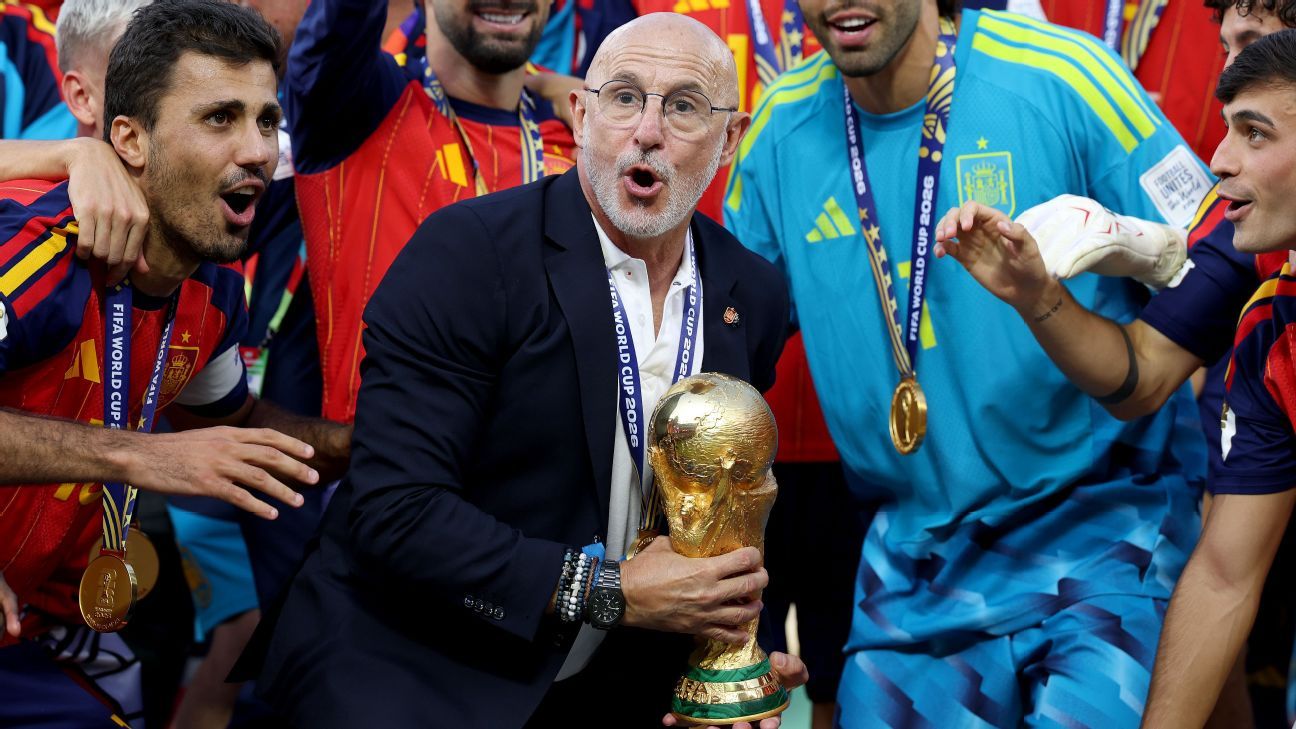
Spain have secured their second FIFA World Cup title, defeating defending champions Argentina 1-0 in extra time at the 2026 final. The decisive moment arrived in the 105th minute at MetLife Stadium in East Rutherford, New Jersey, when Ferran Torres scored the winning goal, assisted by Nico Williams. The victory, confirmed on Sunday, 19 July 2026, cements Spain’s status as a dominant force in international football under the management of Luis de la Fuente.
The triumph was driven by a cohesive, team-first ethos that de la Fuente cultivated throughout the tournament, rather than reliance on individual superstars. While the squad included world-class talents such as Pedri and Lamine Yamal, the manager integrated them into specific tactical roles that prioritised collective structure. Pedri was dropped to the bench after the round of 16, while Yamal operated as a wide player rather than a central creative focal point, a shift that ESPN analysis suggests was crucial to the team’s success.
Spain’s campaign was characterised by exceptional defensive rigidity, conceding only one goal throughout the entire tournament. This defensive excellence was anchored by players who had largely endured disappointing or injury-marred club seasons, including goalkeeper Unai Simon, centre-back Aymeric Laporte, and midfielder Rodri. The sole exception was Pau Cubarsi, who entered the tournament with an injury-free and standout club campaign, providing a stable foundation for the backline.
The tactical framework employed a press-and-possession style reminiscent of Pep Guardiola’s early Barcelona sides, focusing on ball retention to fatigue opponents and winning turnovers high up the pitch. Dani Olmo was noted for a masterclass in this execution, though the Golden Ball award ultimately went to Rodri. This approach allowed Spain to maintain composure against physical opposition, including a tense final where Argentina’s Enzo Fernandez received a red card in the 90th minute for a reckless foul on Cubarsi.
Disciplinary issues marred the conclusion of the match, with Argentina’s Leandro Paredes also sent off following post-match clashes. Referee Slavko Vincic adopted a lenient approach to physicality early in the game, yet Spain’s patience and tactical discipline allowed them to overcome their lack of a traditional centre forward. The victory underscores a shift in Spanish football governance, where structural cohesion and unselfish execution have superseded the reliance on individual brilliance.