SpaceX Starship completes 13th test flight with Indian Ocean splashdown
The 14-storey rocket carried 20 Starlink V3 satellites and tested heat shield upgrades, though the booster’s landing burn proved more complex than anticipated.
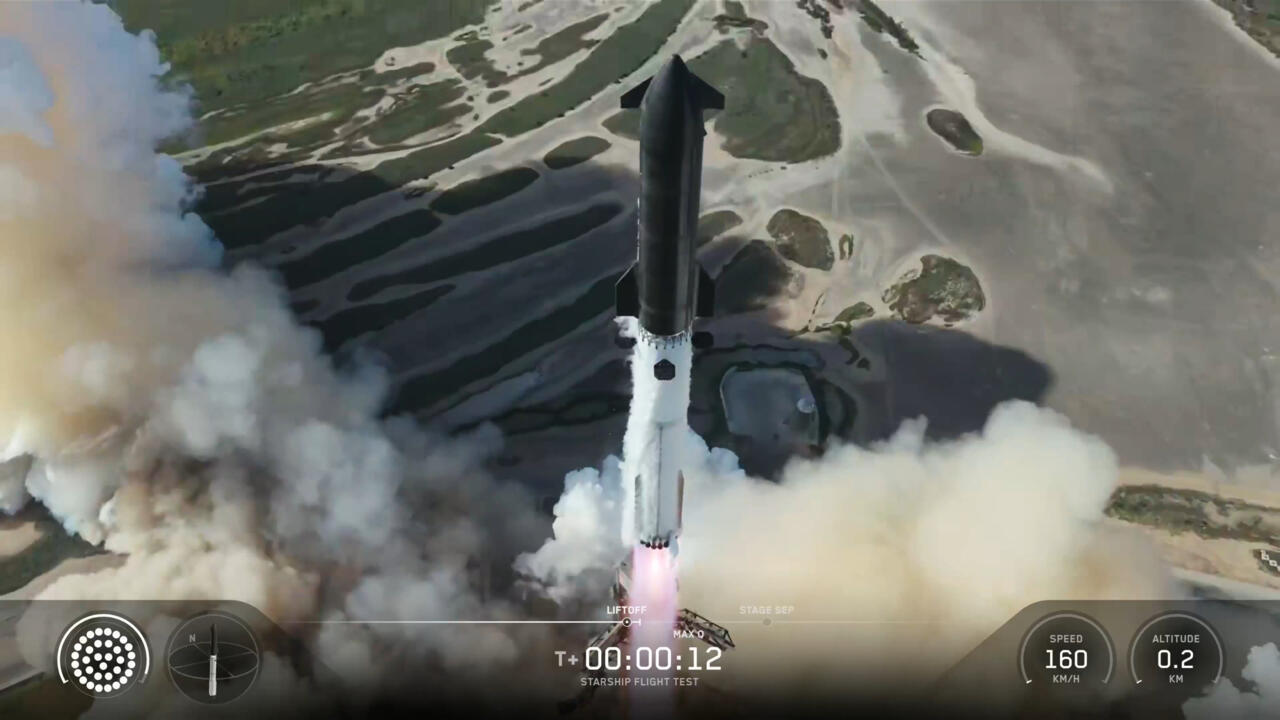
US aerospace company SpaceX has successfully completed its 13th test flight of the Starship rocket, launching from Texas and splashing down in the Indian Ocean on Friday. The mission marks the first successful launch since the company went public on Wall Street in June, following a record initial public offering.
The 122-metre-tall vehicle carried 20 Starlink V3 satellites, which are described as a more powerful version with greater bandwidth and internet speeds. The satellites briefly connected with SpaceX’s existing network of approximately 10,000 orbiting satellites before following the ship’s suborbital trajectory into the atmosphere, where they burned up as planned.
Elon Musk confirmed via X that the Starship remained intact and was transmitting telemetry. SpaceX spokesperson Dan Huot described the splashdown as a "dream scenario" for the team collecting heat shield data, noting it was the first time an intact Starship had been placed in the water.
The flight tested heat shield upgrades and redesigns intended to address issues identified during the May test, which debuted the third-generation model. While the primary goals were met, the booster’s landing burn was harder than anticipated. Huot noted that fewer than the planned 13 engines lit for the initial land and burn, resulting in a higher-velocity splashdown.
The launch followed a recent scrubbing due to engine ignition failures and subsequent delays caused by weather and visibility concerns. The mission holds significant weight for SpaceX, which is under contract with NASA to produce a modified version of Starship to serve as a lunar landing system. NASA Administrator Jared Isaacman shared imagery of the rocket passing the Moon, stating it was clear from the shot that "SpaceX knows where we are going."