SpaceX shares slip below IPO price as lock-up expiry looms
SPCX trades at $123, down 9 per cent from its $135 debut, as investors question the premium attached to massive infrastructure outlays and a forthcoming increase in public float.
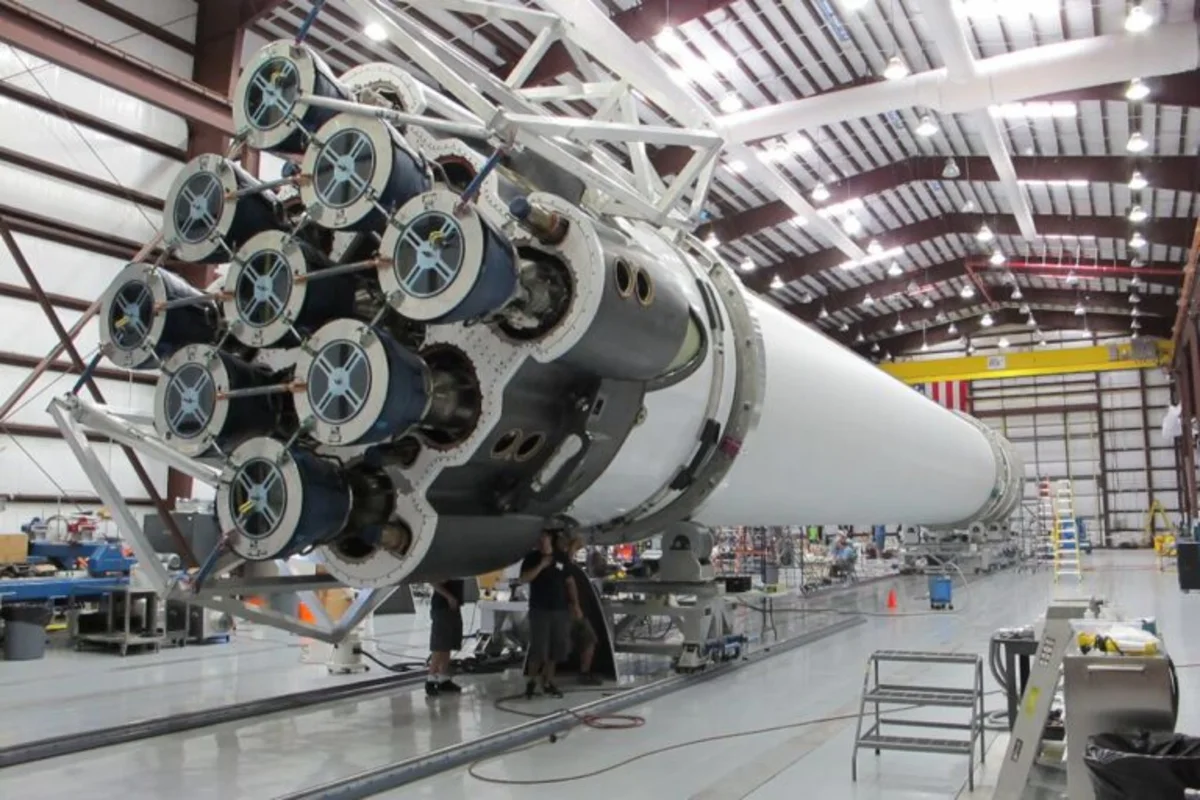
Space Exploration Technologies Corp (SPCX) shares have fallen below their initial public offering price of $135, trading at approximately $123, as investors reassess the company’s premium valuation. The stock has declined roughly 45 per cent from its all-time high of $225.64 and sits about 9 per cent below the price at which it debuted on the Nasdaq on 11 June 2026. The pullback reflects a broader market scepticism regarding the returns on massive artificial intelligence infrastructure spending and the impending expiration of share lock-up agreements.
The company’s valuation implies expectations of revenue approaching $178 billion by 2035 and potentially exceeding $500 billion over the following decade. In 2025, sales rose 33 per cent to $18.67 billion, with Starlink accounting for approximately 60 per cent of the total. Despite this growth, the stock has traded at roughly 45 times estimated 2026 sales, a multiple far above most large technology companies. Investors are currently paying for years of future growth rather than current earnings, with the valuation briefly exceeding $2 trillion before pulling back to approximately $1.6 trillion.
A significant headwind for the stock is the impending expiration of share lock-up agreements, which could significantly increase the public float from 5 per cent to up to 40 per cent by December. The company created an unusually small public float at its debut, raising $75 billion and valuing the firm at approximately $1.77 trillion. The scarcity of available shares supported the post-IPO price, but as hundreds of millions of additional shares become eligible for trading, that scarcity premium is expected to diminish. Elon Musk’s shares remain locked until mid-next year, meaning the largest insider stake will not be the immediate source of selling pressure.
Market sentiment is also being weighed down by concerns over the company’s $18 billion spend on AI infrastructure, including GPU clusters and data centres, in 2025. Investors are increasingly questioning whether such capital-intensive investments will generate adequate returns. While SpaceX holds approximately $22 billion in government contracts, with $15 billion derived from NASA, there are growing worries about whether the company’s heavy spending can reap sufficient rewards amidst a broader AI selloff.
Competition is intensifying from rivals such as Blue Origin, Rocket Lab, and Amazon’s Project Kuiper, which could erode market share. The company’s long-term thesis hinges on Starship becoming fully reusable and achieving large-scale Starlink expansion. However, delays or technical setbacks in these areas, alongside potential regulatory or budgetary risks, present significant execution risks. With limited liquidity due to the small public float, negative developments could trigger price moves larger than the news itself would justify.