Apple’s $165 Billion Cash Engine Fuels Robotics Ambitions and AI Push
With $82.7 billion in operating cash flow and a $146.5 billion cash buffer, Apple is backing high-impact robotics projects led by Jeremy Fishel, aiming for a 2027 tabletop robot release while pursuing AI chip acquisitions.
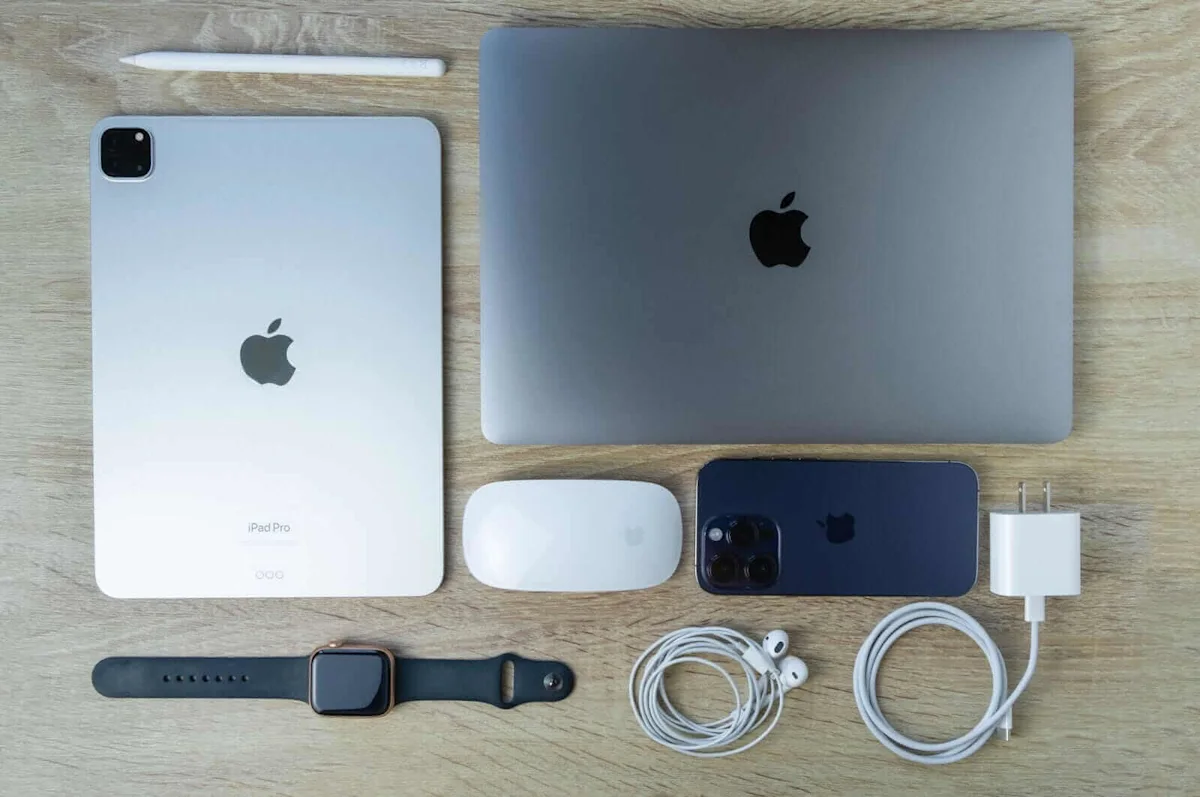
Apple’s core business has generated a formidable financial foundation, reporting $82.7 billion in operating cash flow for the first half of fiscal 2026. This figure implies an annualised cash flow potential of $165 billion, supported by a cash buffer of $146.5 billion at the end of the second quarter. The company’s robust liquidity provides significant headroom for strategic investments in product development, innovation, and diversification, particularly in emerging technology sectors.
Revenue for the first six months of fiscal 2026 reached $254.9 billion, marking a 16 per cent year-on-year increase. The iPhone segment remains the primary revenue driver, followed by Services, while geographic diversification shows 41 per cent of revenue from the Americas, 26 per cent from Europe, and 18 per cent from Greater China. Research and development expenses for the second quarter equated to approximately 10 per cent of net sales, underscoring the company’s commitment to innovation across its product portfolio, which includes recent updates to the iPad Air, iPhone 17e, and MacBook lines.
Central to Apple’s long-term strategy is a renewed focus on robotics. Senior principal research engineer Jeremy Fishel is reportedly building a team to address high-impact challenges in the field. This expansion aligns with market expectations; Morgan Stanley previously opined in November 2025 that Apple’s robotics revenue could reach $130 billion by 2040. The company is targeting a tabletop robot for release in 2027, leveraging its financial flexibility to accelerate project development in this complex sector.
Simultaneously, Apple is strengthening its position in the wearables and artificial intelligence markets. The company is developing AI-powered smart glasses to compete in a market projected to hit $18.1 billion by 2035, according to Precedence Research. To support these ambitions, Apple acquired Q.ai for $1.6 billion earlier this year and is reportedly seeking acquisitions in the AI chips space. These moves are designed to bolster the company’s AI capabilities and diversify its technological offerings beyond traditional hardware.
Investor sentiment reflects confidence in Apple’s strategic direction, with the stock trending higher by 31 per cent over the last six months. The company holds a market capitalisation of $4.9 trillion, and its share price has recently traded near $333. Analyst coverage presents a consensus Moderate Buy rating, with a mean price target of $315.63. However, the most bullish target stands at $400, suggesting potential upside of approximately 20 per cent from current levels, as investors weigh the company’s strong cash generation against its aggressive innovation pipeline.