SpaceX secures $55bn tax exemption for Texas AI chip facility amid local opposition
The approval of the 'Terafab' project in Texas has triggered fierce backlash from residents threatening legal action, as the company moves forward with its largest manufacturing investment to date.
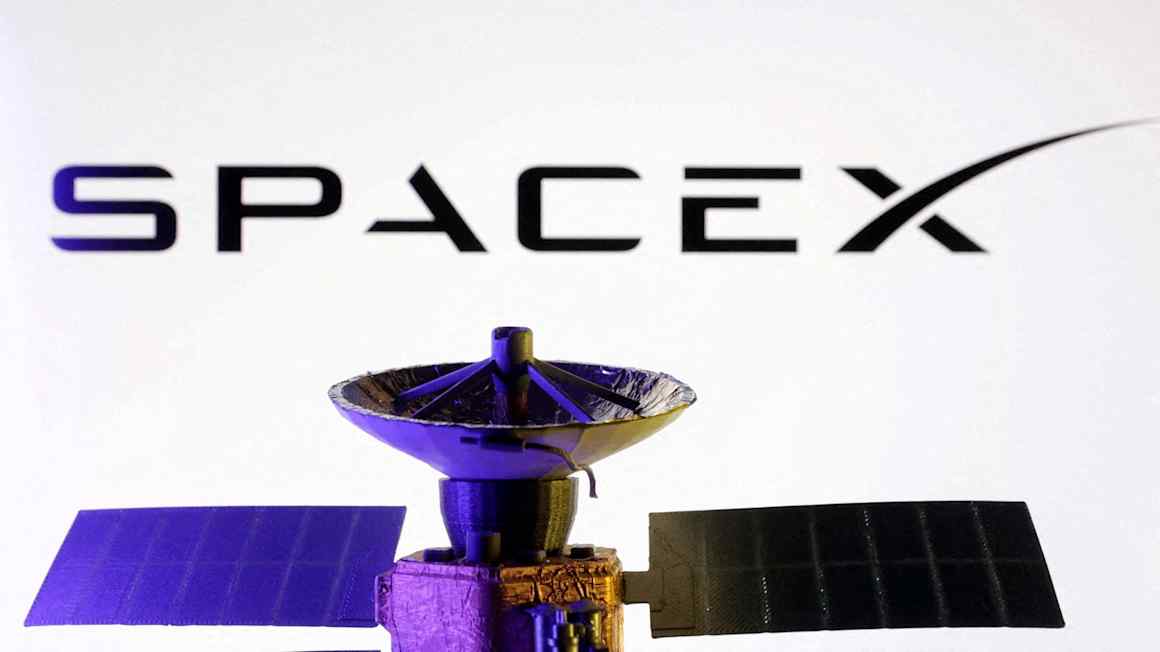
SpaceX has secured a significant tax exemption for its $55 billion artificial intelligence chip manufacturing facility, designated as 'Terafab', located in Texas. The approval of the project has sparked fierce opposition from local residents in the county, who have threatened legal action against the development.
The financial arrangement for the Terafab plant represents one of the largest capital commitments in the semiconductor sector. However, the decision to grant the exemption has drawn sharp criticism from the community, with locals voicing strong dissent and indicating they are prepared to challenge the project through the courts.
The announcement comes at a time of heightened activity in the technology and geopolitical sectors. Elon Musk is currently attending a summit in Beijing alongside other major US technology executives, including Tim Cook and Jensen Huang. The gathering marks the first visit by a US president to China since 2017, with discussions centred on trade, artificial intelligence, and regional security concerns such as the Strait of Hormuz.
Market sentiment has been broadly positive as the summit commences. US stock indices rose on Thursday, with the Dow Jones Industrial Average gaining 0.8 per cent, the S&P 500 rising 0.3 per cent, and the Nasdaq Composite climbing 0.2 per cent. Nvidia shares also surged more than 2 per cent following the approval of a separate chip sale, reflecting the broader industry momentum surrounding AI infrastructure.
The Terafab project is intended to bolster domestic manufacturing capabilities for AI chips, a sector critical to the future of technology and defence. Despite the strategic importance of the investment, the local resistance highlights the growing tension between large-scale industrial development and community concerns in key US manufacturing hubs.
As SpaceX moves forward with the Terafab initiative, the company faces the dual challenge of executing a massive capital project while navigating potential legal hurdles from local opponents. The outcome of the threatened legal action could set a precedent for how future large-scale technology infrastructure projects are approved in Texas.
The broader context of the Beijing summit underscores the global stakes in AI and semiconductor supply chains. With major tech leaders engaging directly with Chinese officials, the domestic expansion of facilities like Terafab is seen as a counterbalance to international dependencies, even as it encounters localised pushback.