SpaceX retail investors record first net sell-off since IPO amid profit-taking
Individual traders exit positions as shares rebound near the $135 debut price, following weeks of dip-buying and a significant unlock of liquidity.
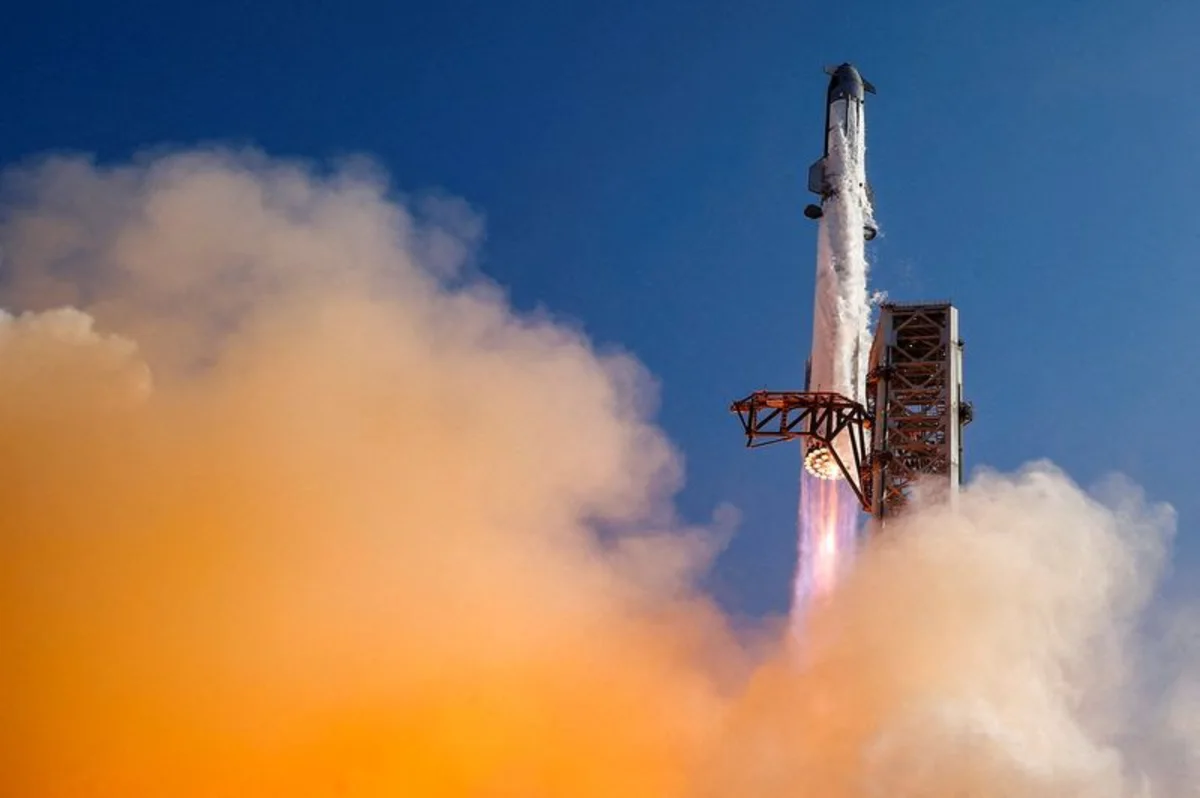
Retail investors sold a net $4.5 million in SpaceX shares on Friday, 7 August, marking the first instance of net selling since the company’s public debut on 12 June. The shift from persistent net buying to selling is attributed to profit-taking, position fatigue, and investors reassessing risk-reward, rather than panic, as shares rebounded near the IPO price.
This selling activity follows a period where individual investors had previously "bought the dip" after a 13.6% slump on 5 August, which was linked to the company's first quarterly earnings report. Jai Malhi, senior equities strategist at Vanda, estimates that retail traders paid an average of $147 per share since the IPO, suggesting the recent selling may involve cutting losses at an opportune time.
Liquidity conditions have shifted, with the number of SpaceX shares available for public trading more than doubling following the expiry of the first lockup restriction last week. SpaceX was the second most mentioned ticker on the Reddit forum r/WallStreetBets in the last week.
SpaceX opened trading on the Nasdaq on 11 June 2026 at $150 per share, following an initial public offering priced at $135. The company raised approximately $75 billion, valuing it at around $1.77 trillion and making CEO Elon Musk the world’s first trillionaire on paper.
The stock surged as much as 67% above its $135 IPO price in June before giving back all gains and falling more than 22% below its debut price in August. Shares have closed below the IPO price every day since 16 July, though they were last up 1.4% at $134.95 in early trading after a nearly 23% surge last week.
At least 30% of shares made available on debut were set aside for retail buyers. The highest single-day net buying in SpaceX's trading history was $144.6 million on 16 June.
The exact duration for which the Starlink business can bankroll costly AI investments remains a point of concern and uncertainty for investors.