SpaceX listing elevates Musk to trillionaire status amid governance and policy scrutiny
The rocket company’s $2.2 trillion valuation raises questions about unprofitable growth strategies and the intersection of private capital with public governance.
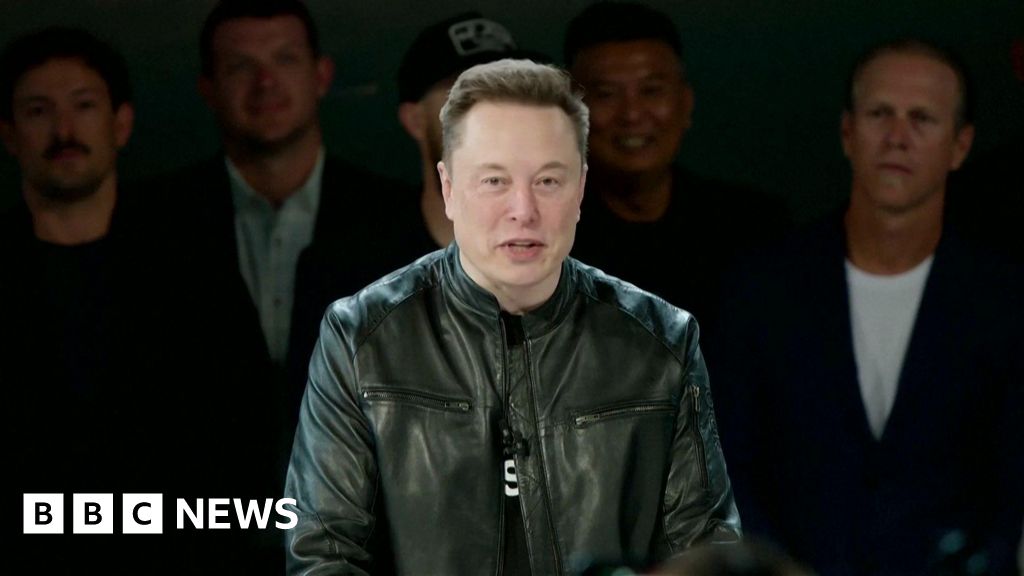
Elon Musk has become the world’s first trillionaire following the Nasdaq listing of SpaceX on 12 June 2026, a milestone that has intensified debate regarding wealth inequality and the intersection of private capital with public policy. According to the Bloomberg rich list, Musk’s net worth reached $1.11 trillion (£828 billion), driven by the company’s initial public offering (IPO) which raised $75 billion and valued the enterprise at $2.2 trillion.
The IPO, described as the largest in stock market history, saw shares open at $150 and briefly peak at $176.50 before closing at approximately $161. While the listing is expected to create millionaires among more than 4,400 current and former staff through equity compensation, the event has drawn sharp political criticism. US Senators Bernie Sanders and Elizabeth Warren condemned the milestone, with Warren arguing it underscores the urgent need for wealth taxes to address systemic inequality.
Musk’s control over SpaceX remains absolute, with a 42 per cent ownership stake granting him unilateral authority over company operations and investment decisions. This concentration of power coincides with his significant political footprint, including his role in the US Department for Government Efficiency and his support for President Donald Trump. His tenure in the department involved drastic spending cuts that led to the closure of the US Agency for International Development, a move researchers in the Lancet medical journal warned could result in over 14 million additional deaths by 2030.
Despite the market enthusiasm, SpaceX remains unprofitable, having reported cumulative losses exceeding $9 billion across 2025 and 2026 due to heavy spending on artificial intelligence and infrastructure. The company stated it would utilise the IPO funds to expand its rocket manufacturing, Starlink satellite operations, and AI initiatives, including speculative plans for orbital data centres. However, the IPO prospectus explicitly admits uncertainty regarding the commercial viability of these ventures, particularly those involving unproven technologies or the development of a "lunar economy."
Market analysts have highlighted the risks inherent in the listing. Nancy Tengler of Laffer Tengler Investments characterised SpaceX’s AI business as a "cash incinerator," while Susannah Streeter of Wealth Club noted that the share price rally was driven as much by hype and scarcity as by financial fundamentals. With Musk unable to sell his SpaceX stock for at least a year, the long-term stability of the share price remains a critical concern for institutional investors exposed to the company through index-linked funds.