SpaceX IPO valuation and governance raise red flags for pension funds
With a valuation nearing $1.8 trillion, the space company’s debut faces scrutiny over its concentrated voting power and the potential impact on retirement savings.
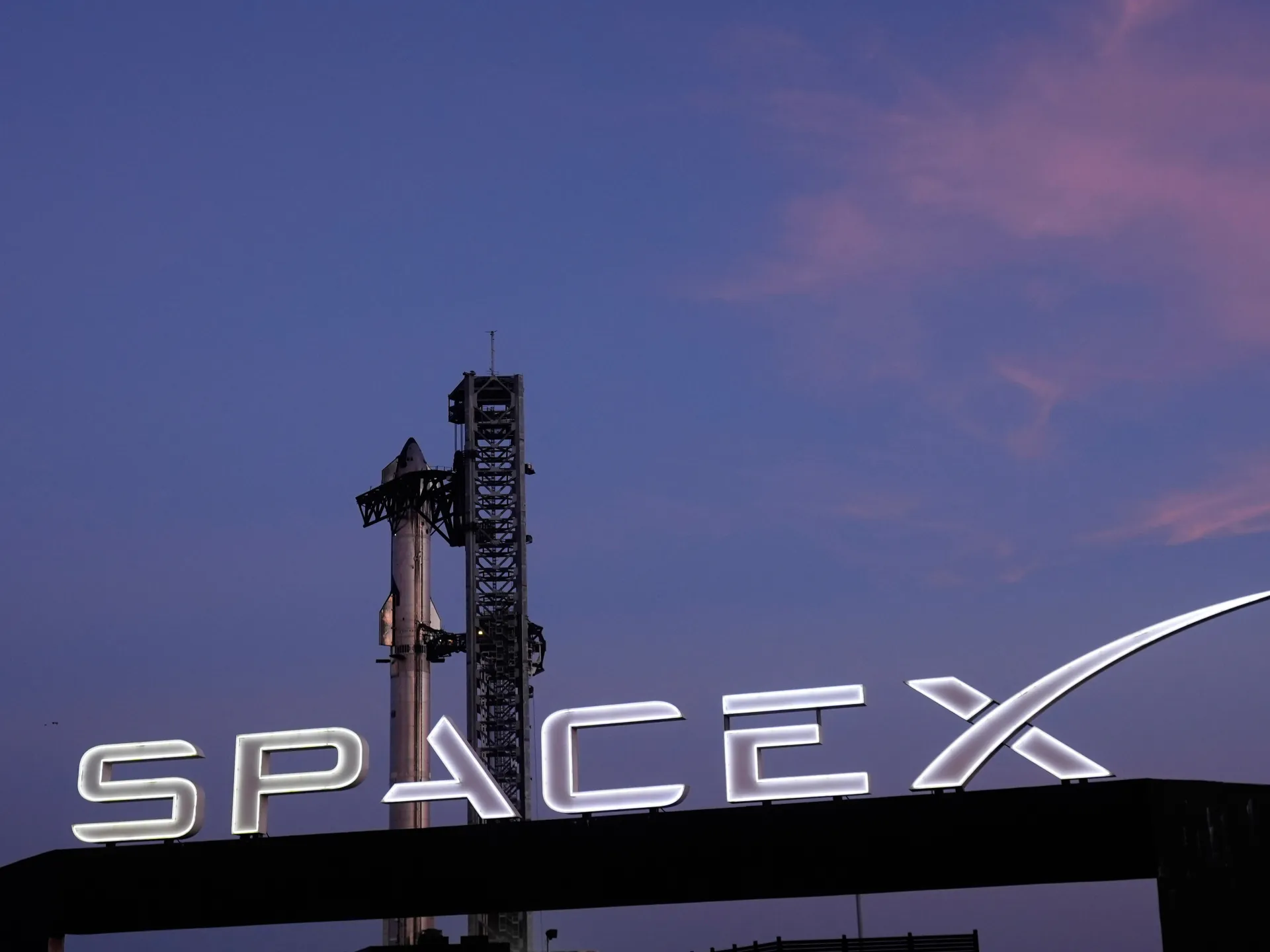
SpaceX is set to debut on United States public markets on Friday in what is projected to be the largest initial public offering in history, with a valuation of nearly $1.8 trillion. The offering has attracted approximately $70 billion in orders, with 20 percent of shares allocated to retail investors. While the transaction surpasses the previous record held by Saudi Aramco, it has simultaneously triggered significant governance and valuation concerns among institutional investors and pension fund managers.
A primary point of contention involves a recent rule change by the Nasdaq stock exchange, which allows SpaceX to enter the Nasdaq-100 index after just 15 trading days, bypassing the typical waiting period. This waiver was sought by the company to expedite index inclusion. However, the S&P Dow Jones Indices did not alter its rules, meaning immediate inclusion in the S&P 500 is not guaranteed. The accelerated timeline has drawn criticism for removing the standard seasoning period that allows stocks to demonstrate profitability and stability before being added to major indices.
Governance structures have also come under intense scrutiny. Under the company’s proposed policy, Elon Musk would control up to 85 percent of voting power despite owning only 42 percent of the equity. A letter from state comptrollers and pension executives highlighted that this structure effectively makes the chief executive unfireable without his own consent, limiting shareholder accountability. This concentration of power has raised alarms among public fund managers who view the insulation from oversight as unprecedented for a large US issuer.
Valuation discrepancies have further complicated the landscape. Analysts at Morningstar have valued the company at $63 per share, representing a 53 percent discount to the IPO price. Consequently, some state treasurers have opted out of direct stakes in their pension funds. North Carolina’s treasurer stated that the stock was too expensive for direct investment, though the fund would still gain exposure through broader index funds. This dynamic forces consumers with pensions to potentially hold assets they might otherwise avoid, as index fund managers are contractually obligated to track index components.
The implications extend beyond SpaceX, setting a precedent for upcoming listings by artificial intelligence giants OpenAI and Anthropic, which are also expected to pursue valuations around $1 trillion. Experts warn that the combination of high valuations, weak governance, and rapid index inclusion could expose pension funds, university endowments, and individual retirement accounts to significant risk if the broader AI sector experiences a downturn.