SpaceX files for record $75 billion IPO, valuing firm at $1.77 trillion
Regulatory filings reveal the scale of the offering, with 555.6 million shares priced at $135, reflecting investor confidence in long-term ambitions over current operational realities.
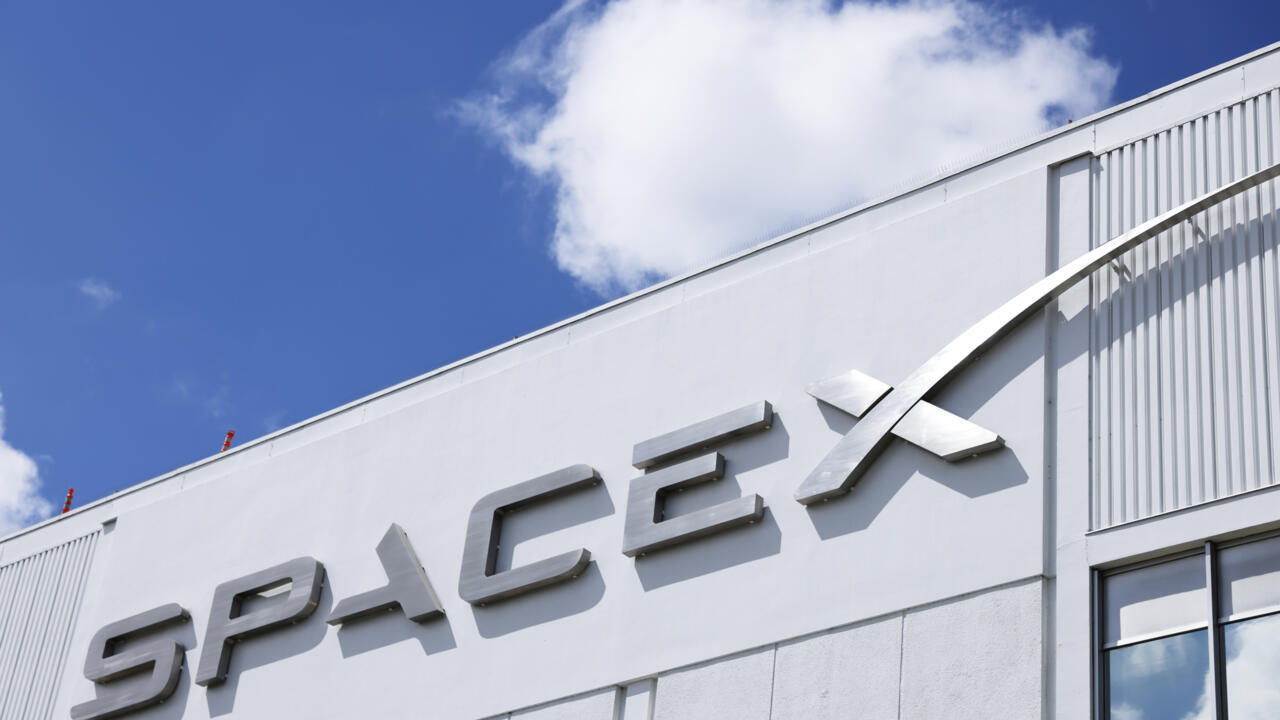
SpaceX has filed regulatory documents announcing plans for an initial public offering that would raise approximately $75 billion, valuing the company at $1.765 trillion. The offering involves the sale of 555.6 million shares at an initial price of $135 each. If completed, the transaction would surpass the previous record set by Saudi Aramco in 2019, which raised $25.6 billion.
The filing indicates that Elon Musk is expected to retain over 80 percent of the voting power, ensuring he maintains control over shareholder approvals despite the company’s entry into public markets. This structure allows the billionaire to dictate the outcome of matters requiring shareholder consent, preserving his authority over the firm’s strategic direction.
The valuation appears to be driven by investor confidence in Musk’s long-term ambitions rather than current business metrics. Analysts note that the price reflects faith in plans to colonise Mars and deploy data centres in space, rather than the immediate financial realities of the company’s operations. SpaceX was founded in 2002 and has since become a cornerstone of private spaceflight, having docked with the International Space Station in 2012 and launched humans into orbit in 2020.
Financial stability for the capital-intensive company is currently supported by its StarLink broadband service, which has 10.3 million subscribers across 164 markets. This revenue stream has proven vital for funding broader projects, including the development of lunar landers for NASA’s Artemis program. NASA aims to conduct in-orbit tests of these landers in 2027, with a target for a lunar landing in 2028.
Musk has tied a significant bonus to the goal of colonising Mars with one million inhabitants, a vision he describes as essential for the long-term survival of the human race. The company’s broader business empire continues to consolidate, having acquired artificial intelligence firm xAI in February 2026 and previously absorbing the X social network. Analysts predict further integration, including a potential merger with Tesla in 2027, as both entities focus on robotics and autonomous transportation.