SpaceX bets exclusively on Nvidia Vera Rubin as AI infrastructure race intensifies
The rocket manufacturer targets up to 20 gigawatts of power capacity by next year, while Nvidia expands its ecosystem with partnerships including Safe Superintelligence and major storage vendors.
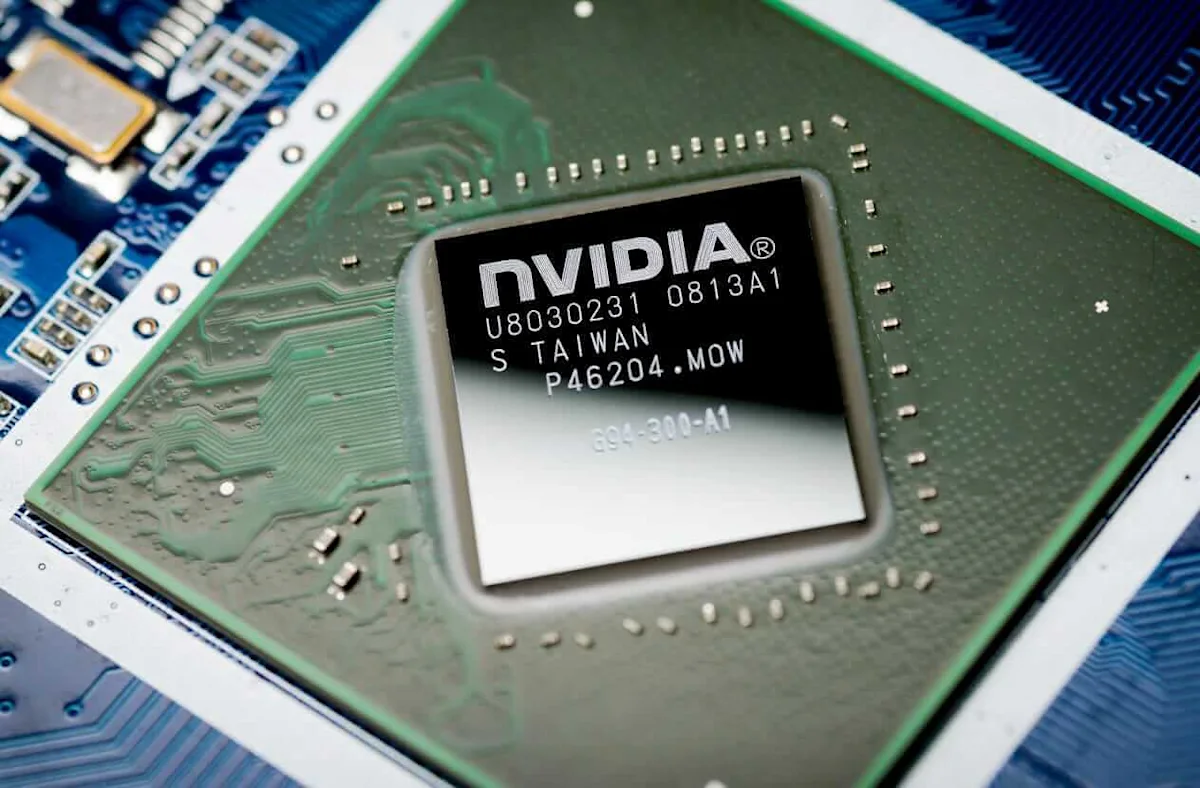
SpaceX has formally committed to using Nvidia’s Vera Rubin architecture exclusively for its artificial intelligence computing infrastructure, marking a decisive shift away from a previously utilised mixed-hardware strategy. Elon Musk announced the decision during the company’s recent earnings call, describing the Vera Rubin platform as the “best AI computer” available and citing the close cooperation between the two firms as a pivotal factor in the choice.
The infrastructure upgrade is designed to support Grok, the chatbot developed by Musk’s xAI, and facilitate the pending acquisition of Cursor, which Musk indicated is nearing the clearance of regulatory hurdles. To power these initiatives, SpaceX has set a tentative target of having up to 20 gigawatts of power, cooling, and electrical equipment online by the end of next year. Musk cautioned that this figure represents a stretch goal, with a more realistic estimate of 15 gigawatts if approximately a quarter of the projects encounter delays.
Musk argued that SpaceX possesses a distinct advantage in executing this expansion due to its background in hardware engineering. He stated that SpaceX and Tesla are the “two best companies on Earth at hardware,” suggesting that the lessons learned from building rockets are being directly applied to accelerate data centre construction. The company confirmed it expects to receive a significant share of Nvidia’s GPU supply next year, a critical allocation given the tight chip supply conditions across the industry.
Nvidia’s dominance in the sector is further evidenced by its broader ecosystem moves, including a long-term partnership with Safe Superintelligence (SSI), an AI lab founded by Ilya Sutskever. Nvidia is investing directly in SSI and providing it access to the Vera Rubin platform, which SSI stated will allow it to scale its compute capabilities by an order of magnitude. Additionally, Nvidia is collaborating with over 40 storage vendors, including Micron, DDN, and KIOXIA, to develop new storage technologies leveraging its Vera CPU for improved throughput in compression and encryption pipelines.
The convergence of major players on Nvidia’s platform highlights the company’s strategy of designing systems as a single unit while allowing for component flexibility. Gilad Shainer, an Nvidia networking executive, noted that this approach, combined with the software integration described by Chief Financial Officer Colette Kress, creates a compelling value proposition for customers. For investors, the SpaceX commitment reinforces analyst forecasts predicting Nvidia’s revenue to grow from $216 billion in fiscal 2026 to $909 billion in fiscal 2031, with the stock currently trading at $222 against an average price target of $304.32.