Space mirrors could rival 10,000 full moons, study finds
New research suggests Reflect Orbital’s planned fleet of satellites may scatter light over tens of kilometres, while a separate patent dispute questions the legal status of AI in drug discovery.
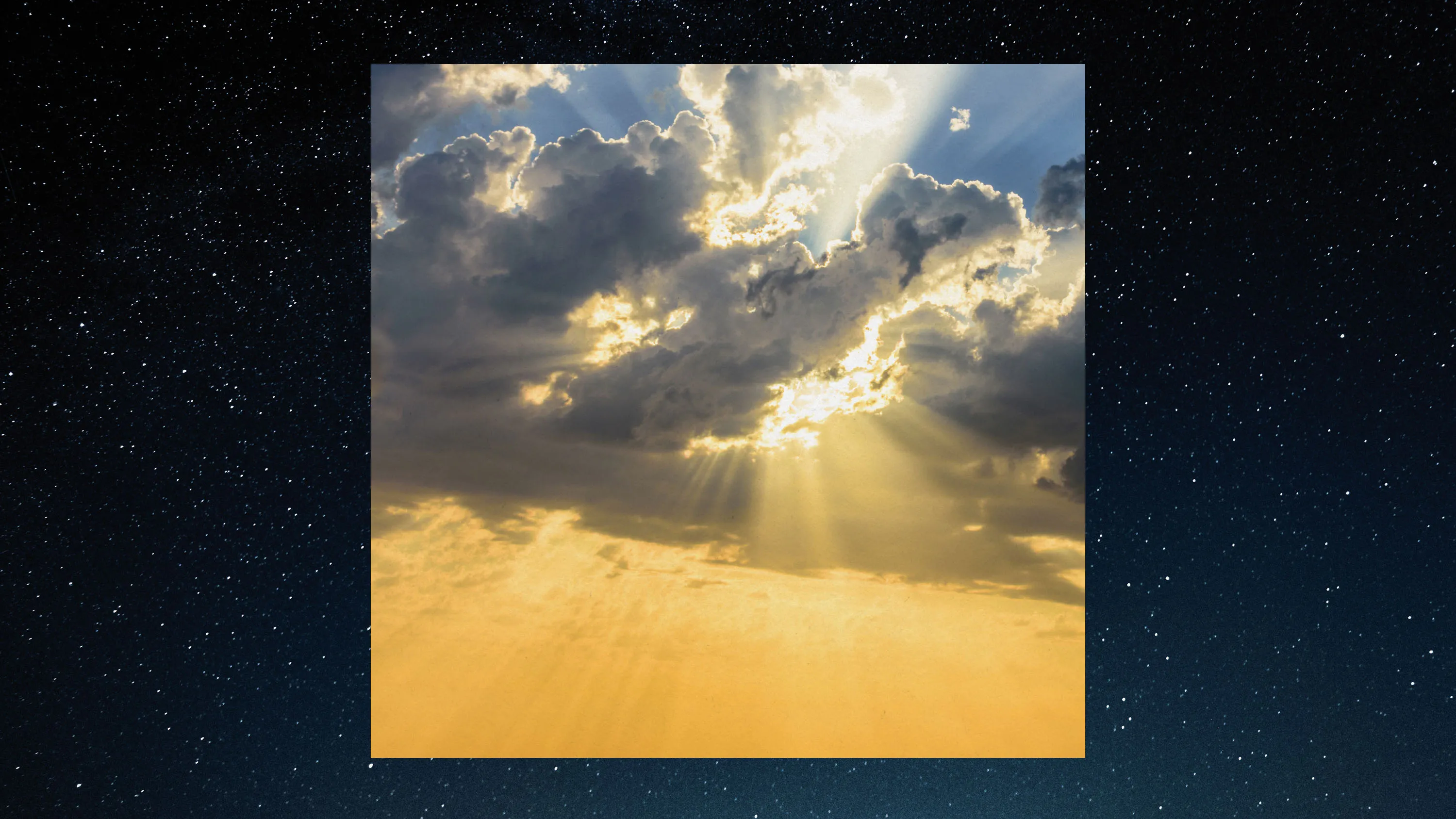
A new study indicates that a proposed fleet of space mirrors designed to beam sunlight to Earth could significantly alter the night sky, potentially brightening it to the intensity of 10,000 full moons. The research highlights growing concerns regarding the impact of these artificial light sources on aviation, wildlife, and the preservation of dark skies.
Reflect Orbital plans to launch a test satellite later this year, which will extend an 18-by-18-metre mirror in orbit. The company’s long-term goal is to deploy up to 50,000 larger satellites capable of reflecting sunlight on demand. According to the firm, the technology is intended to extend daylight for solar panel charging, emergency response, and military activities.
However, the new findings suggest that the giant beams of light could scatter over tens of kilometres. This widespread dispersion raises questions about how the mirrors might interfere with natural ecosystems and the visibility required for safe air travel, adding to the debate over the environmental cost of such ambitious space infrastructure.
In a separate development concerning the role of artificial intelligence in science, Insilico Medicine has faced scrutiny over its patent filing for a drug targeting pulmonary fibrosis. The company used computer models to propose the molecule and publicly claimed it had been “discovered by” generative AI.
Despite this claim, the patent filing made no mention of AI involvement. Instead, the company named five humans as the drug’s “inventors.” This discrepancy highlights a significant legal ambiguity regarding intellectual property rights when machine learning plays a fundamental role in the discovery process.
Current intellectual property law dictates that only humans can take credit for an invention, regardless of the extent of AI’s contribution. As AI models become increasingly capable of generating drug designs, experts suggest that patent law may soon need to confront what it truly means to invent.
The stories were reported by MIT Technology Review, which noted that the legal wrinkle could become more complex as AI-generated designs become as common as standard text generation.