Soybean Resumption Signals Tentative Thaw in US-China Trade Frictions
China has restarted purchases of US soybeans, reversing a total cessation triggered by Washington’s trade war, though the durability of this renewed commercial relationship remains uncertain.
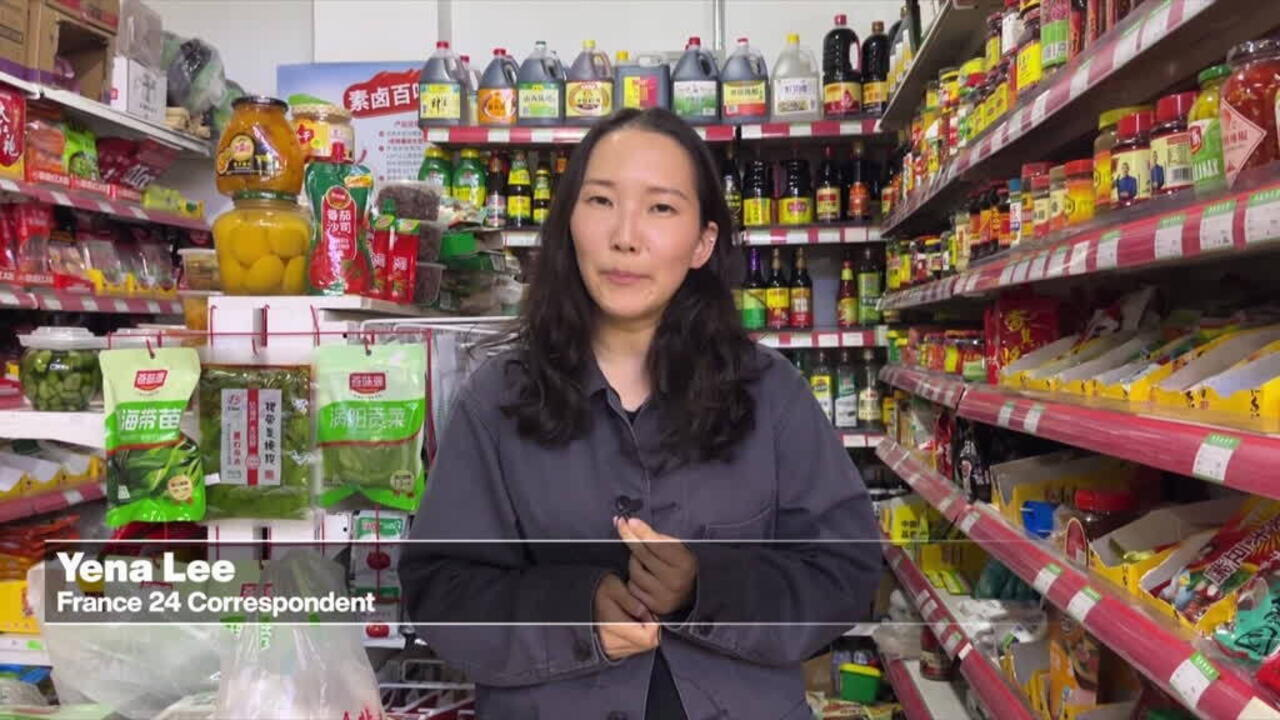
The resumption of soybean purchases by China from the United States marks a significant, albeit fragile, shift in the economic architecture of the ongoing trade dispute between the two nations. This development follows a diplomatic truce agreed upon last October between President Xi Jinping and President Donald Trump, which has facilitated a return to commercial flows that had been entirely halted during the height of the trade war.
For decades, the United States served as China’s primary supplier of soybeans, a relationship that generated billions of dollars in purchases for Beijing in 2024 prior to the escalation of tensions. However, when Washington initiated the trade war, Beijing responded by ceasing all purchases of US soy, effectively severing a long-standing agricultural supply chain that had been central to bilateral economic ties.
The current revival of trade in this commodity suggests a tactical de-escalation rather than a comprehensive resolution of the underlying geopolitical and economic conflicts. While the immediate market reaction to the summit indicated a temporary easing of frictions, particularly in energy and trade transit routes, the structural issues driving the dispute remain unresolved.
The broader context of the US-China rivalry extends beyond agriculture, encompassing critical sectors such as rare earth minerals and artificial intelligence technology. The focus on soybeans highlights how specific, high-volume trade items are often used as leverage in broader strategic negotiations, with the agricultural sector serving as a barometer for the overall health of diplomatic relations.
Despite the restart of purchases, the longevity of this renewed relationship remains highly uncertain. The source material explicitly questions how long this commercial arrangement will persist, noting that the exact scope and duration of the trade truce extensions concluded at the summit are open to interpretation. It remains unclear whether the resumption of soybean imports is part of a formal, long-term agreement or a provisional measure subject to rapid reversal.
As both nations navigate the complexities of their strategic competition, the soybean trade continues to occupy a central position in the discourse. The tentative nature of the current truce underscores the volatility of the relationship, with agricultural trade serving as both a potential bridge for cooperation and a vulnerable point of contention in the wider geopolitical landscape.