Southern Lebanon described as catastrophic under ongoing Israeli occupation
Jad Shahrour highlights severe conditions in the south, citing personal assessment of the area's state
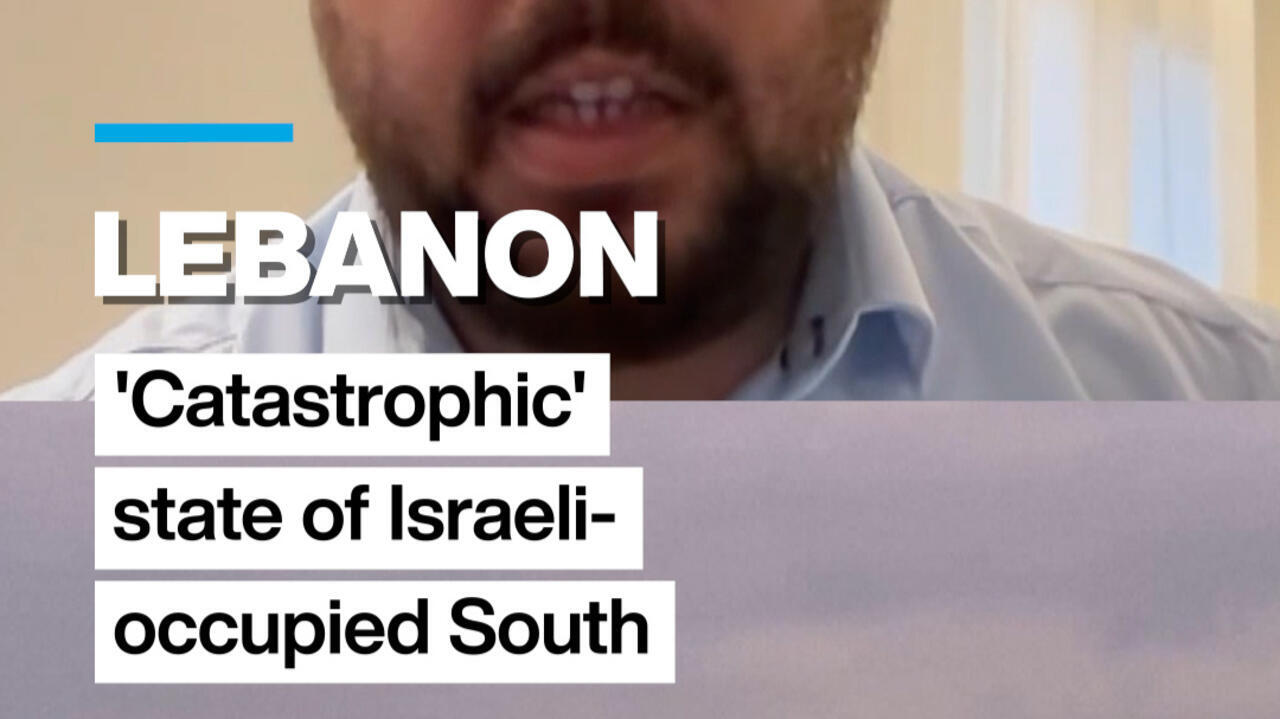
Jad Shahrour, a resident of Southern Lebanon, has publicly characterised the condition of the region under Israeli occupation as catastrophic. This assessment was delivered during a debate segment broadcast on France 24, where the resident of the south spoke directly about the realities facing his community.
The statement serves as a stark personal evaluation of the environment in the occupied territory. While the description underscores the gravity of the situation on the ground, it represents a subjective viewpoint rather than a comprehensive statistical report or an official government inquiry into the region's status.
France 24 provided the primary platform for this testimony, capturing Shahrour's comments within the context of the ongoing conflict. The network's reporting highlights the resident's perspective, noting that his characterisation of the state of affairs is rooted in his direct experience of the area.
The specific metrics used to define the situation as catastrophic were not detailed in the available summary of the video segment. Consequently, the claim relies on the individual's interpretation of local conditions, including potential factors such as infrastructure, security incidents, or humanitarian needs, without corroborating data from independent verification.
This account adds to the broader discourse regarding the impact of the occupation on Southern Lebanon. However, the absence of detailed evidence or corroborating testimony from other sources means the severity of the claim remains based on a single individual's assessment within a debate format.
The terminology used to describe the region as Israeli-occupied reflects the language employed in the source material. While this phrasing is central to the resident's description, the precise legal and political definitions of this status remain complex and are subject to differing interpretations among various stakeholders.
Ultimately, the report from France 24 captures a moment of testimony that brings attention to the humanitarian and security concerns facing the south. It remains a significant statement from a local perspective, even as it lacks the broader statistical backing often required for institutional policy analysis.