Southern France farmers launch independent supermarket amid rising input costs
Agricultural producers in the south have established their own retail channel to offer fresher produce with reduced markups, a move occurring as the French government seeks dialogue on cost-sharing following the conflict in Iran and the blockage of the Strait of Hormuz.
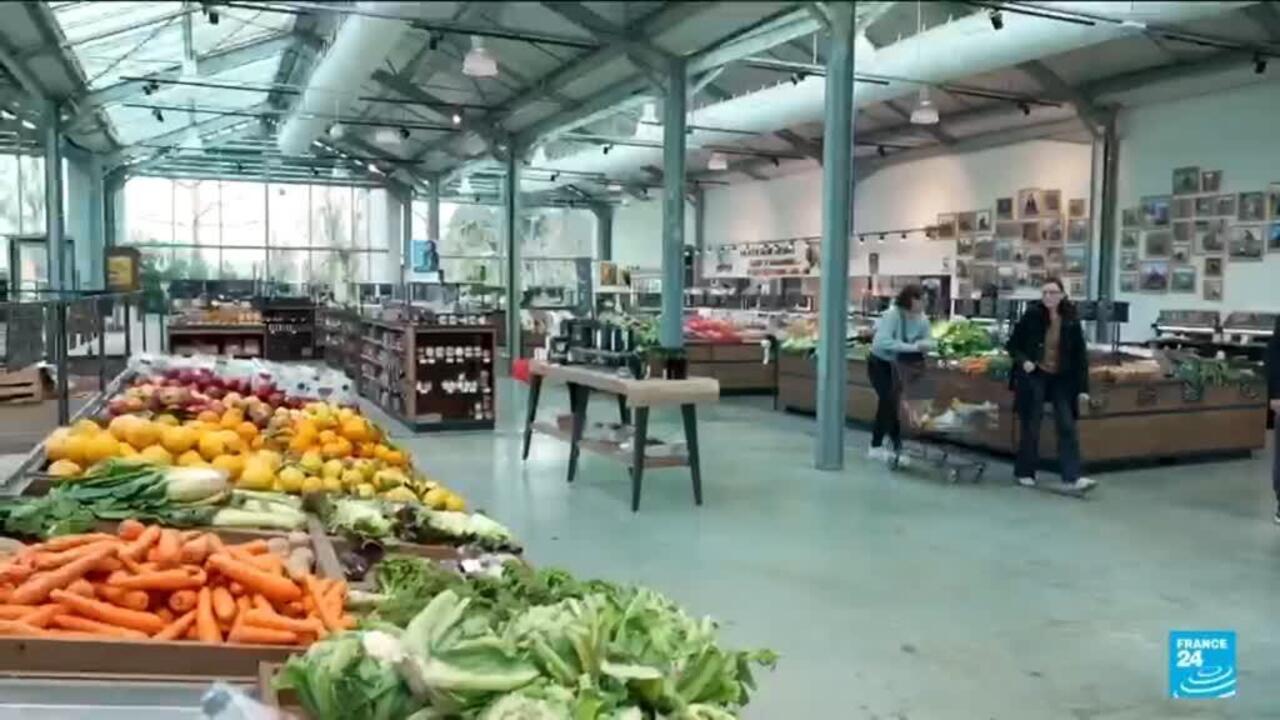
Farmers in southern France have launched a new supermarket initiative designed to bypass traditional retail channels. The primary objective of this venture is to supply consumers with fresher produce while reducing the markups typically associated with established supermarket chains.
This development coincides with the conclusion of annual wholesale price negotiations between the agricultural and supermarket sectors. The timing of these talks was significantly altered by the onset of the war in Iran, which introduced new variables regarding input costs just as the sector prepared to finalise its agreements for the year.
The conflict has resulted in soaring prices for essential inputs, specifically fuel and fertiliser, due to the blockage of the Strait of Hormuz. These escalating costs have placed pressure on the supply chain, prompting the French government to call for a formal dialogue between the two sectors. Authorities are currently seeking to determine how these increased expenses should be shared and how much, if any, should be passed on to consumers.
While the government focuses on negotiating cost distribution, the farmer-owned supermarket represents a structural shift in remuneration models within the region. By establishing their own retail arm, the producers aim to control the pricing structure and ensure that the benefits of their labour are retained more directly.
The initiative highlights the growing complexity of the agricultural landscape in France, where geopolitical events in the Middle East are now directly influencing domestic food security and retail pricing strategies. The success of this new model in competing with established chains remains to be seen, but it marks a significant response to the current economic pressures facing the industry.