South Korean vessel caught in Strait of Hormuz fire as US announces escort initiative
An explosion and fire struck a South Korean ship anchored near the UAE, prompting Washington to propose a new security corridor while Tehran denies allegations of attacking US vessels.
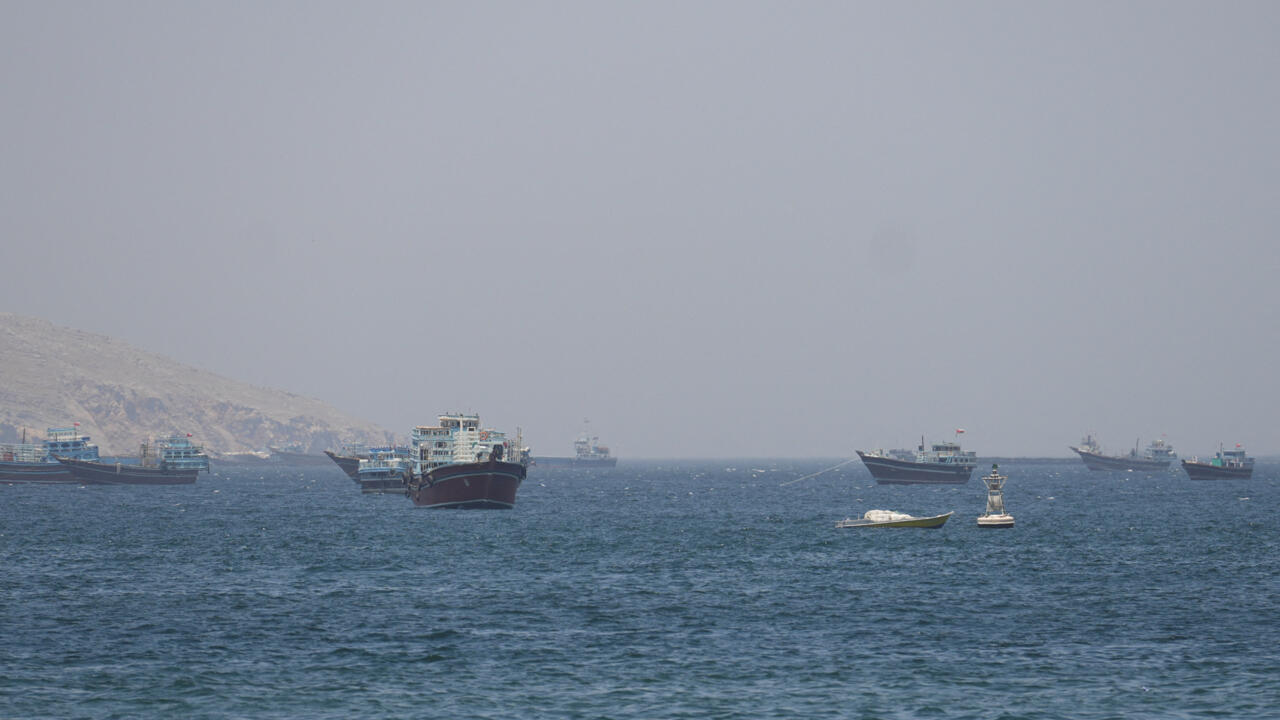
South Korea's foreign ministry has confirmed that an explosion and fire occurred on a vessel operated by a South Korean shipping company in the Strait of Hormuz. The incident took place at 1140 GMT on Monday while the ship was anchored in waters near the United Arab Emirates. Authorities are currently investigating the cause of the blast and the specific extent of the damage to the vessel.
The ship carried a total of 24 crew members, comprising six South Korean nationals and 18 foreign nationals. Despite the severity of the fire, no casualties have been reported to date. Seoul stated it is actively verifying intelligence regarding a potential attack on the vessel and has indicated it will closely communicate with relevant countries to address the situation.
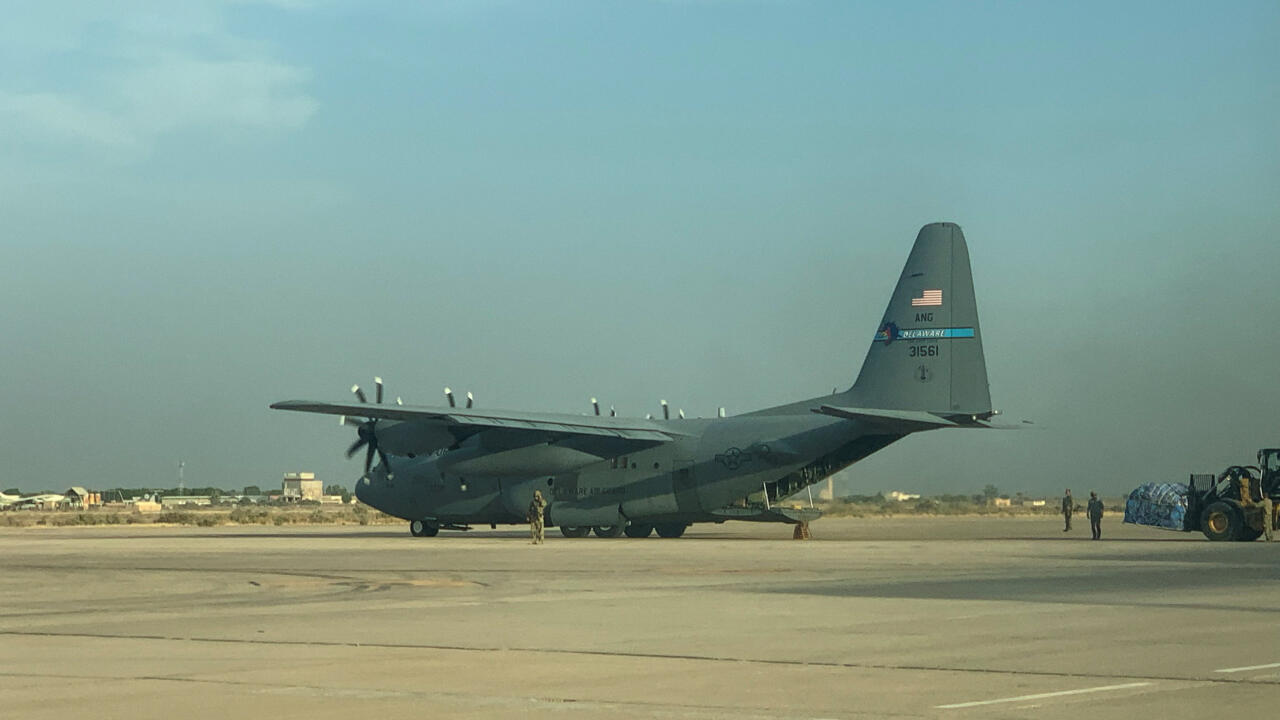
Amidst this developing crisis, the United States has announced a new initiative to escort commercial ships through the strait in an effort to restore global trade flows. The US-led Joint Maritime Information Center advised vessels to cross the waterway in Oman's waters, establishing what it termed an enhanced security area. While the military has not specified the exact nature of the assistance, reports suggest the initiative could involve guided-missile destroyers, more than 100 aircraft, and 15,000 service members.
Tehran has firmly rejected the US narrative, with the Islamic Revolutionary Guard Corps labelling claims that Iranian forces struck American vessels as baseless and complete lies. Instead, Iranian officials have accused the United States of using the strait as a tool for economic coercion. Concurrently, the United Arab Emirates issued its first missile alert since early April, warning residents to seek safe places before later confirming the situation was safe following reports of Iranian naval interference.
The instability in the region has sent shockwaves through global markets, with Brent crude oil prices surging by over 5 per cent to $113.65 per barrel. This spike follows reports of Iranian naval activity and the announcement of the US shipping initiative. Washington's Treasury Secretary, Scott Bessent, indicated that the administration is urging China to engage in diplomacy with Iran to facilitate the reopening of the critical waterway, which has been effectively blocked since late February.
Separately, regional tensions remain high elsewhere, with Hezbollah calling for the US ambassador to be declared persona non grata following a diplomatic row regarding the envoy's visit to Lebanon. Meanwhile, German Foreign Minister Johann Wadephul expressed confidence in NATO's conventional deterrence capability in Europe despite Washington's announcement to draw down troops in Germany, emphasising the need for Berlin to develop its own capabilities more quickly.