South Korea turns to AI companions in bid to ease senior isolation
The government’s latest intervention in elderly care utilises robot companions to mitigate social isolation, reflecting broader trends in automated support systems.
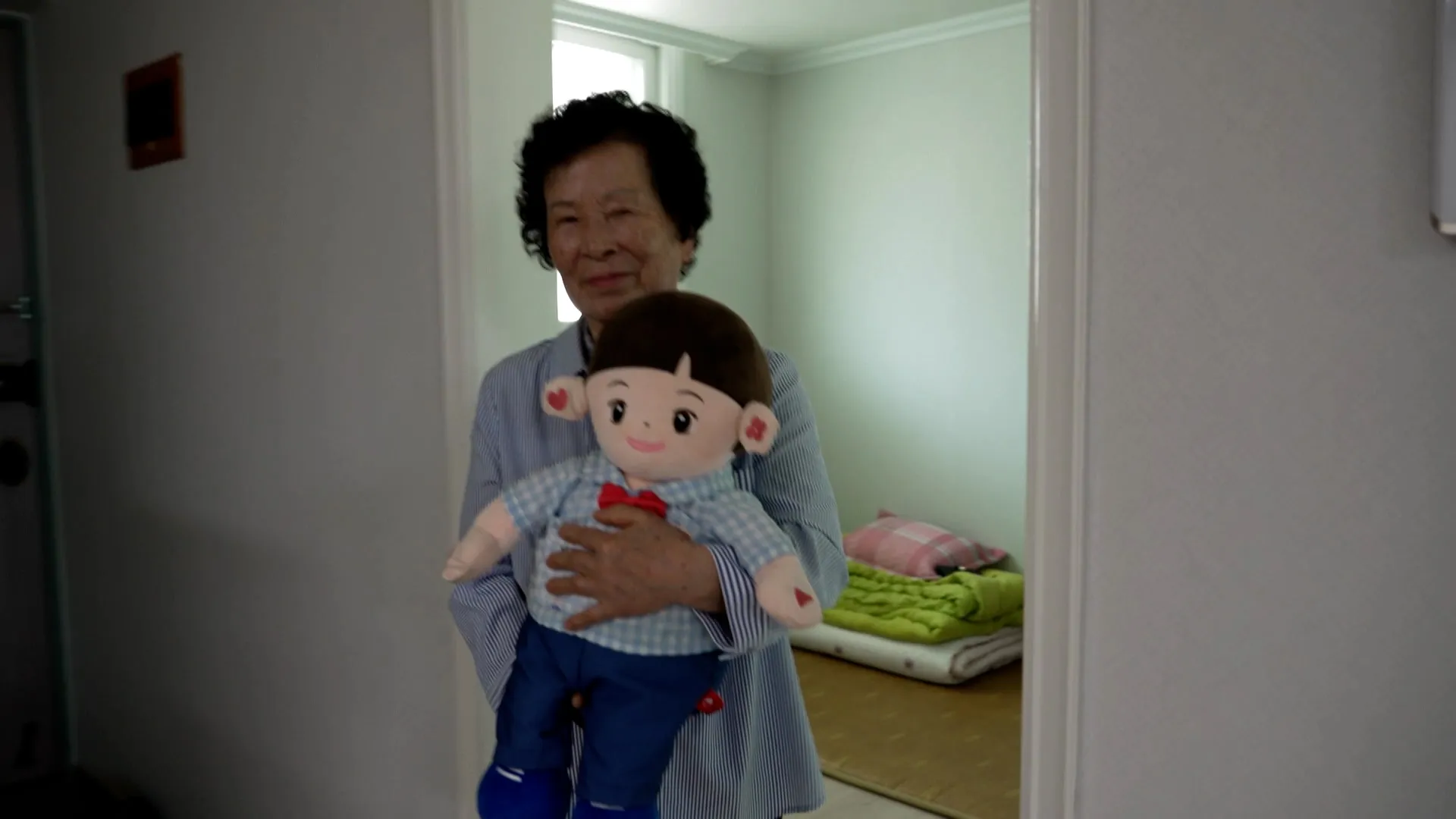
South Korea has begun deploying artificial intelligence-powered companion dolls as part of a strategic effort to address loneliness within its rapidly ageing population. The initiative marks a significant step in the nation’s approach to elderly care, utilising robotics to provide social interaction for seniors.
The deployment comes against the backdrop of one of the world’s fastest-ageing demographics, which has created substantial demand for innovative care solutions. By introducing AI-powered devices, authorities aim to help tackle the widespread issue of isolation that affects many elderly citizens across the country.
This move aligns with a growing trend in developed nations facing labour shortages in the care sector. The use of robotics and artificial intelligence in healthcare and social services is becoming increasingly common as governments seek scalable methods to support vulnerable populations without overburdening human workforce resources.
While the initiative is framed as a solution to a pressing social challenge, the specific technical capabilities of the companion dolls remain undefined in current reports. The devices are described primarily by their function rather than their underlying architecture, focusing on their role in providing companionship rather than clinical intervention.
There is currently no public data available regarding the efficacy of these dolls in reducing loneliness or improving mental health outcomes for users. The scale of the deployment, including the number of units distributed or whether the programme is a pilot or a national rollout, has not been disclosed.
The introduction of such technology raises questions about the long-term integration of AI into personal care environments. As South Korea continues to navigate the complexities of its demographic shift, the reliance on automated companions represents a distinct policy choice in how social welfare is delivered to the elderly.
Further details on the operational parameters and user feedback mechanisms for these companion dolls are expected to emerge as the programme progresses. For now, the focus remains on the potential of AI to supplement human care in addressing the emotional needs of an ageing society.