South Korea tests Arctic shipping lane to bypass Middle East disruptions
Seoul dispatches its first container vessel via the northern passage, a strategic move to circumvent Middle East blockades that environmentalists say may hasten polar ice melt.
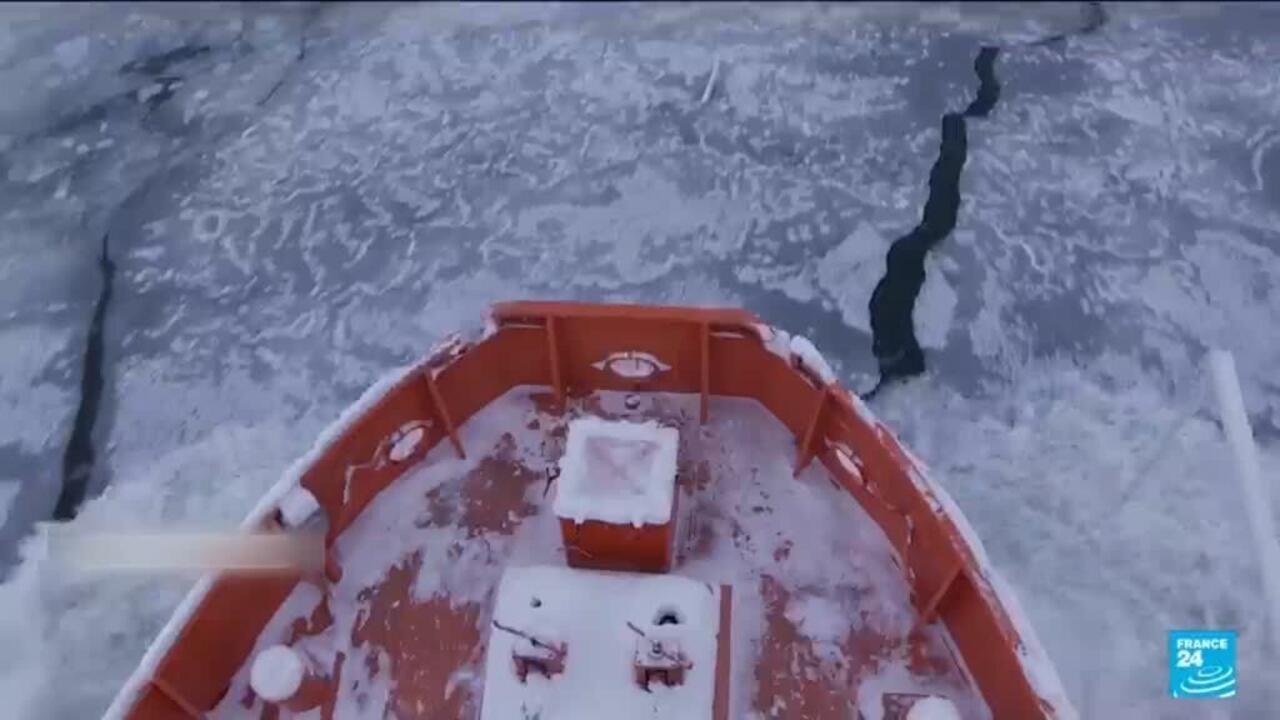
South Korea has dispatched its first container ship to Europe via the Arctic route, marking a significant shift in its maritime logistics strategy. The vessel was sent to bypass current traffic blockades in the Middle East, which have disrupted conventional shipping lanes between Asia and the European continent.
While the northern passage is not a new corridor, it has been utilised by Russia and China for several years. This latest development represents the first time a South Korean vessel has taken this specific path, suggesting a potential diversification of trade routes in response to geopolitical instability in the Middle East.
The decision to reroute cargo via the Arctic highlights the growing pressure on global supply chains. By avoiding the congested and blocked lanes in the Middle East, South Korean exporters aim to maintain delivery schedules to European markets, although the long-term viability of this alternative route remains under observation.
However, the environmental implications of this shift have drawn scrutiny. Experts warn that an increase in shipping traffic through the Arctic could further accelerate the melting of polar ice. This concern adds a layer of complexity to the strategic benefits of the route, as nations weigh economic efficiency against ecological preservation.
The move underscores the broader trend of countries seeking alternative pathways to mitigate the impact of regional conflicts on global trade. For South Korea, this initial shipment serves as a test of the Arctic route’s practicality and reliability for regular commercial use.
As the vessel makes its way to Europe, policymakers and industry observers will be watching closely to see if this single shipment signals a broader strategic shift or remains a one-off response to the current Middle East situation.