South Korea formalises cultural expansion strategy as BTS return triggers economic surge
The group's return to Seoul has generated billions in projected revenue, yet analysts warn that structural reforms are required to sustain the state-backed "Hallyu 4.0" initiative.
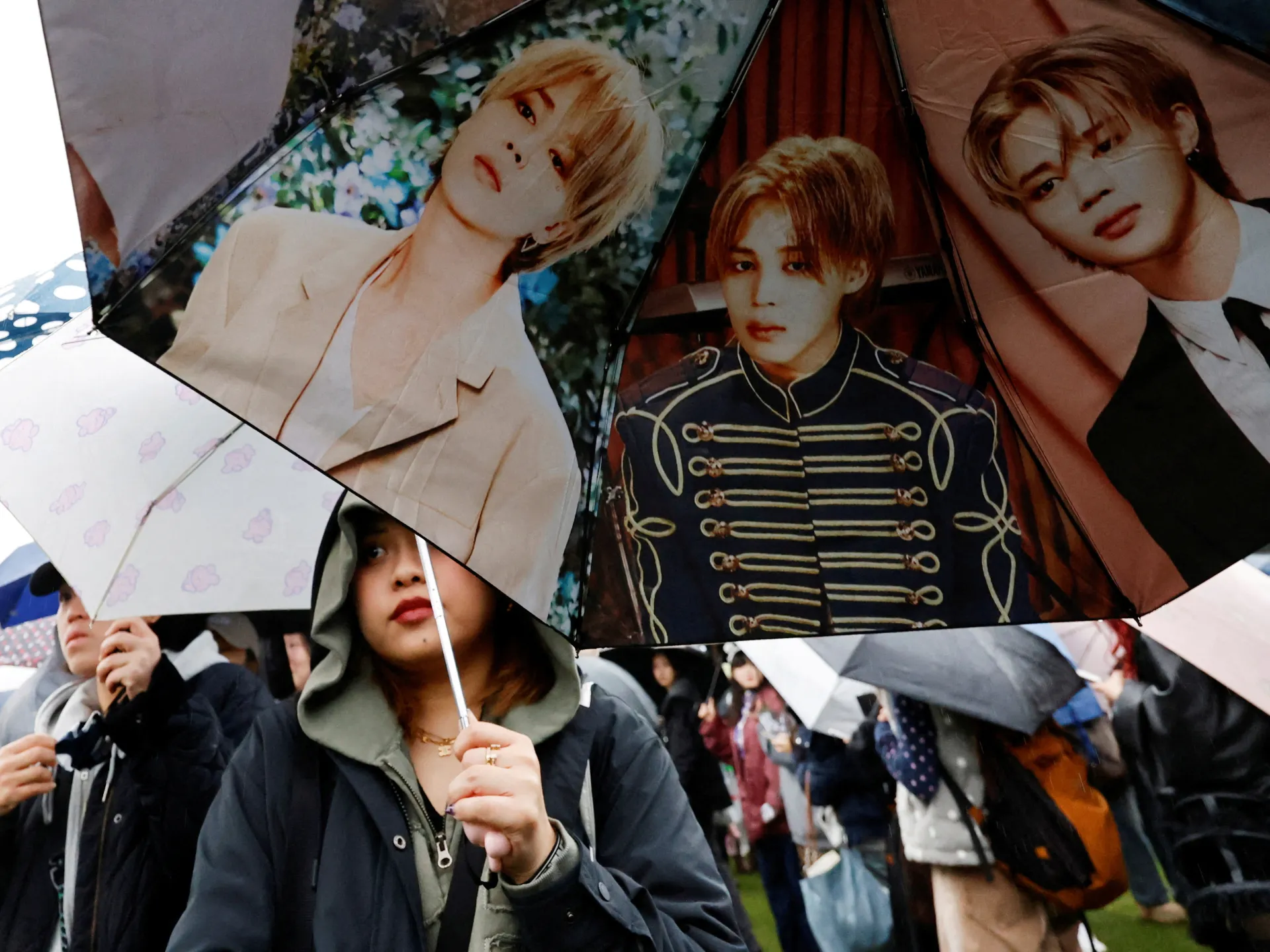
The return of the K-pop group BTS to Seoul on 21 March has catalysed a significant economic response, prompting the South Korean government to treat the event not merely as a cultural milestone but as a strategic national industry. Following the group's hiatus for mandatory military service, the concert at Gwanghwamun Square drew hundreds of thousands of attendees and attracted over 18.4 million viewers via a Netflix livestream, reinforcing the state's reliance on popular culture for soft power projection.
This event has already produced measurable economic impacts, with inbound tourist numbers rising by 32.7 per cent in the first 18 days of March and merchandise sales surging by 430 per cent at major duty-free outlets. Retail revenues also increased by 30 per cent at Lotte Department Store and 48 per cent at Shinsegae during the concert weekend, figures that underscore the immediate financial return on the government's logistical support.
The scale of state involvement in the event highlights a broader policy shift. Authorities deployed nearly 10,000 state personnel for security and logistics, with public records indicating close to 130 million won in city funds were allocated for the operation. Music promoter Hybe secured this support on public-interest grounds, framing the concert as a showcase of national cultural influence, a move that aligns with the administration's view of the arts sector as a strategic asset rather than a purely commercial market.
President Lee Jae Myung has framed this momentum as the beginning of "Hallyu 4.0", a phase of expansion aimed at growing the cultural sector into a 300 trillion won industry. To support this vision, the government has allocated a record 9.6 trillion won to bolster K-content and the pure arts sector, reflecting a commitment to institutionalise the industry's growth through sustained fiscal investment.
However, the rapid expansion has drawn attention to structural vulnerabilities within the industry. Analysts and researchers, including those from the Korea Culture and Tourism Institute, argue that while financial support is critical, future policies must address underlying systems such as labour environments and unfair contractual practices. The current model faces scrutiny regarding artist autonomy, with ongoing disputes between major promoters and artists highlighting tensions over creative control and restrictive agreements.
Furthermore, the globalisation of the industry presents new governance challenges. As agencies recruit international members and adapt content for global audiences, there is a growing debate over preserving local identity while meeting international benchmarks. Experts suggest that the state must evolve its approach to strengthen foundational conditions, including data systems and infrastructure, to ensure the sector remains sustainable beyond the immediate surge in popularity.