South Africa’s Xenophobia Response Faces Scrutiny Amid Resurgent Anti-Foreigner Tensions
As tensions escalate across Johannesburg and diplomatic friction grows with Nigeria, experts and former officials contend that migrants are being scapegoated for deeper structural failures in governance and the economy.
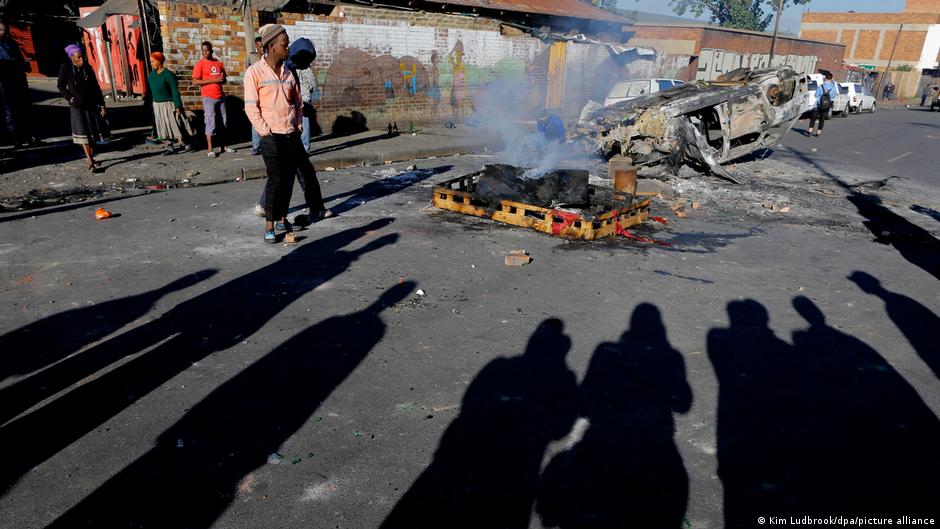
South Africa is facing renewed international and domestic scrutiny over its handling of resurgent xenophobic violence, with critics pointing to inadequate prevention strategies and a reliance on reactive measures rather than systemic solutions. The unrest, which has targeted migrants from Zimbabwe, Nigeria, Somalia, Ethiopia, Malawi, Mozambique, Ghana, and Zambia, has sparked diplomatic tensions, prompting Nigeria to summon South Africa’s acting high commissioner to address the growing protests.
Foreign Minister Ronald Lamola has firmly condemned vigilantism, asserting that immigration enforcement is the sole responsibility of state authorities. Lamola rejected the narrative that targeting foreign nationals offers a remedy for the country’s economic stagnation, describing the unrest as a complex social and economic issue rather than a simple security failure. He emphasised that chasing migrants does not resolve unemployment or broader economic challenges, a stance echoed by Minister in the Presidency Khumbudzo Ntshavheni, who warned against civilians demanding passports from foreign residents.
Despite official condemnations, the influence of activist groups such as Operation Dudula continues to shape public discourse. The group, which campaigns against undocumented migration, argues that foreign nationals place undue pressure on housing, healthcare, and employment. Patrick Mokgalusi, a member of the organisation, stated that the movement has gained traction due to perceived government failure, calling for mass deportations of illegal foreigners. However, critics warn that such rhetoric fuels xenophobia and distracts from the root causes of social unrest.
Academic and political voices are increasingly challenging the scapegoating of migrants. Loren Landau, a senior migration researcher at the University of the Witwatersrand, argued that migrants are too few in number to significantly impact crime or employment rates. Former President Thabo Mbeki also weighed in, circulating a statement on X that attributed high levels of crime and unemployment to the policies of former President Jacob Zuma and current President Cyril Ramaphosa, rather than illegal immigration.
On the ground, the situation remains volatile. Migrants report that misinformation often sparks violence, with some beginning to respond with force out of fear for their safety. Vusumuzi Sibanda of the African Diaspora Global Network alleged that official responses, including the dispersal of vulnerable people with rubber bullets, may be worsening tensions. As the country grapples with these recurring outbreaks, observers note the mounting pressure to balance migration concerns with constitutional protections and regional solidarity.