South Africa marks 70 years since 1956 women’s march as gender equality gap persists
Seventy years after the historic protest against apartheid pass laws, commentators note that formal legal equality has not translated into material security for millions of South African women.
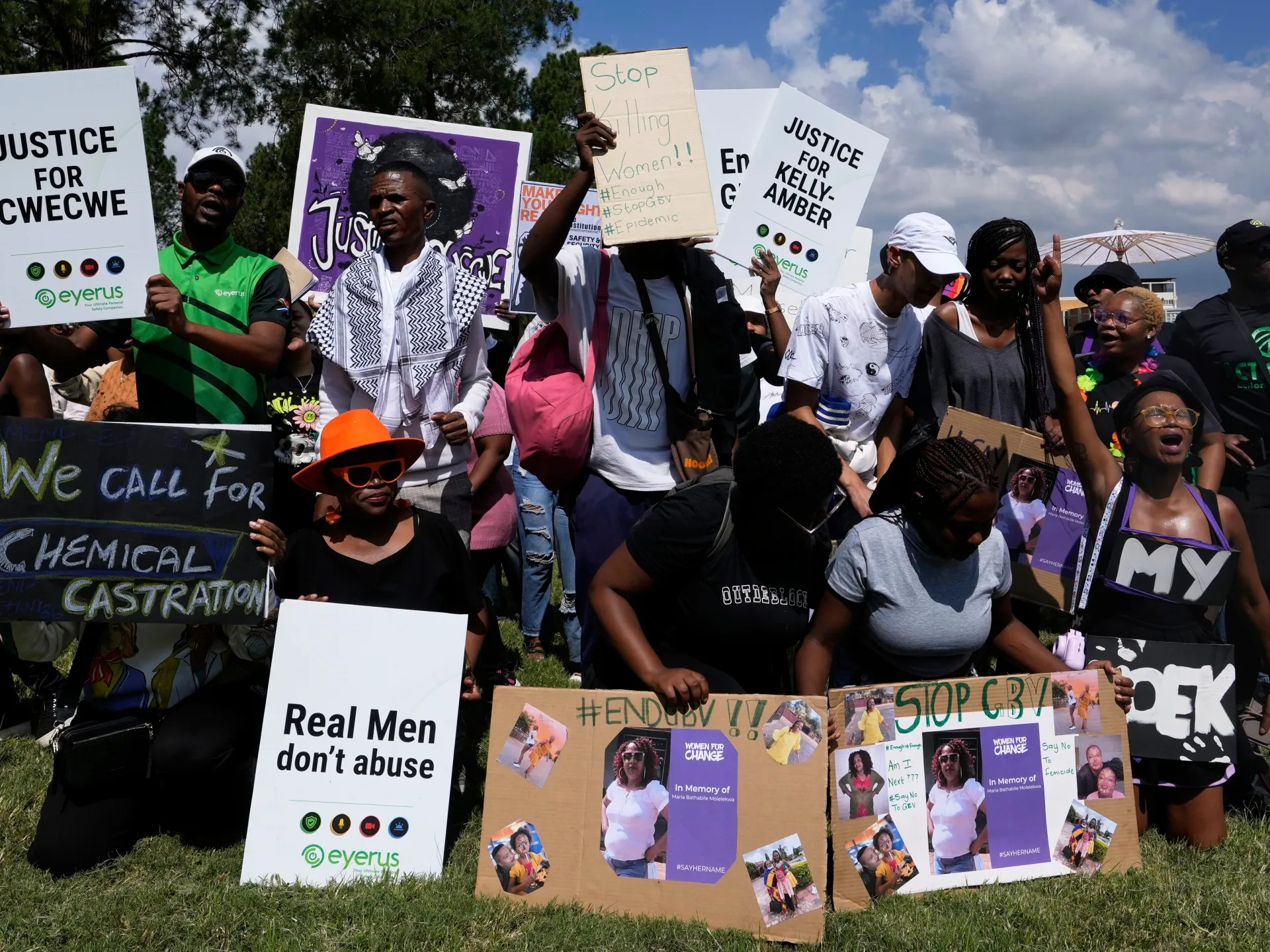
South Africa marked the 70th anniversary of the 1956 Women’s March on 9 August, a pivotal moment in the anti-apartheid struggle that established the date for the country’s annual Women’s Day. The commemoration highlights a stark divergence between the nation’s progressive legal framework for gender rights and the persistent reality of gender-based violence and economic disparity. While the original protest successfully mobilised political consciousness, contemporary analysis suggests that formal equality has yet to secure material safety for many women.
The 1956 march involved approximately 20,000 women, predominantly Black, who converged on the Union Buildings in Pretoria to oppose the extension of pass laws to African women. Organised by the Federation of South African Women (FEDSAW) and the Women’s League of the African National Congress (ANC), the protest took place on a Thursday, historically known as “Sheila’s Day,” when Black domestic workers were typically granted a day off by white employers. Participants delivered a petition to the Minister for Native Affairs and sang the protest song, “You have struck a woman, so you have struck a rock!”
Author and political commentator Sisonke Msimang notes that the march launched the South African women’s movement, providing a blueprint for activism and an intersectional analysis of race, class, and gender. Msimang, who participated in rallies during the 1990s, observes that the 1956 protest demonstrated how sexism operated within liberation movements, forcing women to fight for equality alongside male comrades. This legacy established a political force that significantly influenced the transition to democracy after apartheid ended in 1994.
Post-apartheid South Africa has achieved significant political representation, with women comprising approximately 45% of parliamentarians and 44% of ministers. The government has implemented progressive legislation regarding reproductive rights, customary law, and the rights of domestic workers. However, commentators argue that these political and legal gains have not ensured material security, particularly for women in poor communities who face high unemployment and limited access to health and education services.
A national gender-based violence study reveals that 33.1% of women aged 18 and older have experienced physical violence in their lifetime, while one in five men admitted to perpetrating physical or sexual intimate partner violence. Msimang argues that this persistence of violence exposes the limits of formal equality, noting that laws can change faster than the attitudes and behaviours that shape women’s lives. The disconnect between the privileges enjoyed by middle-class women and the struggles of those in impoverished areas underscores the ongoing challenge of dismantling economic structures inherited from the apartheid era.
Despite the weariness expressed by many women who do not celebrate the day, the movement continues to emphasise that gender equality requires a collective response. Msimang asserts that while women have made the call for equality for generations, real progress depends on men responding to these demands. The 70th anniversary serves as a reminder that the struggle for true gender equity remains incomplete, with significant work required to bridge the gap between legal rights and lived reality.