Sony launches A7R VI mirrorless camera with 66.8-megapixel sensor
Priced at $4,500, the A7R VI features a fully stacked sensor, Bionz XR2 processor, and AI-based autofocus, enabling 30fps blackout-free shooting and silent electronic shutter operation.
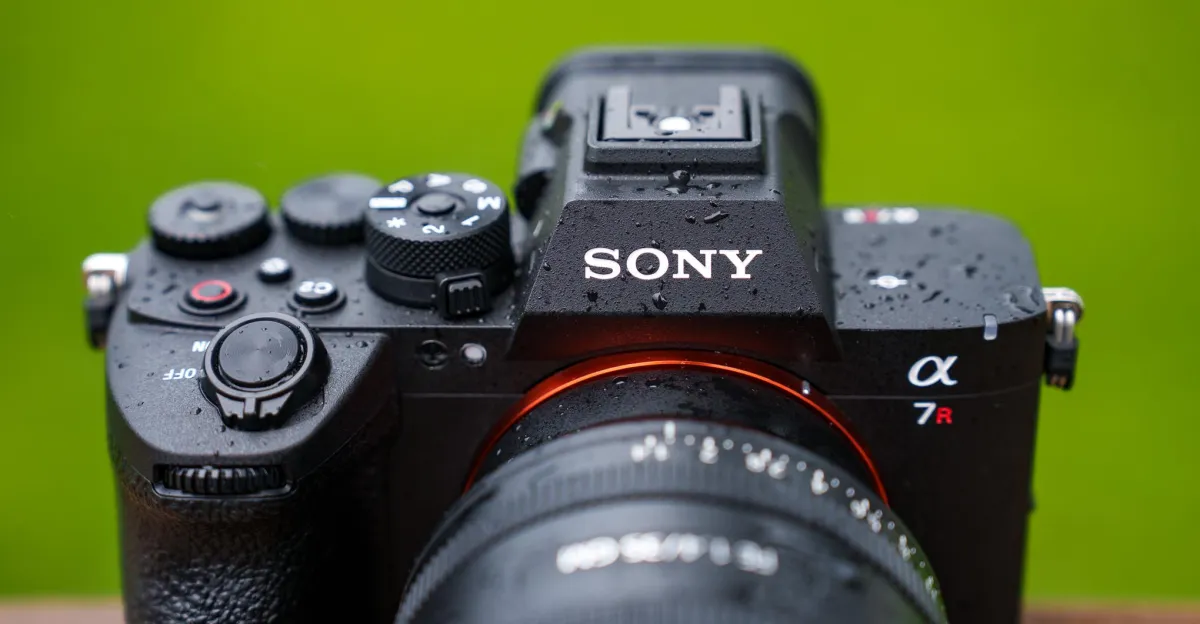
Sony has released the A7R VI, a 66.8-megapixel mirrorless camera priced at $4,500. The device features a fully stacked sensor and the new Bionz XR2 processor, enabling blackout-free shooting at up to 30 frames per second and silent electronic shutter operation. It utilises an AI-based autofocus system and a new NP-SA100 battery, positioning it as a versatile generalist body that bridges the gap between high-resolution and high-speed dedicated cameras.
The A7R VI represents a significant departure from previous high-resolution models, which often required compromises in speed and noise levels. According to hands-on impressions from The Verge, the camera can shoot full-resolution bursts at 30fps without viewfinder blackout. The electronic shutter is described as truly silent, minimising rolling shutter anomalies and vibration, making it suitable for weddings and product photography where discretion is essential.
RAW files average 60 megabytes in lossless compressed format, with a one-second burst of 30 shots consuming approximately 1.8GB of storage. The camera also features 8.5 stops of in-body image stabilization and dual USB-C ports. These specifications allow photographers to crop horizontal files to vertical ones without sacrificing print quality, offering greater flexibility in challenging lighting or fast-paced environments.
Ergonomically, the A7R VI feels similar to the previous A7R V model, though it uses the new NP-SA100 battery which is incompatible with the older NP-FZ100 standard. While the autofocus system is described as "sticky" to subjects' eyes, offering marginal improvements over previous generations rather than a monumental leap, the speed and resolution combination addresses long-standing limitations in the category.
The camera serves as a versatile "one camera for everything" solution, bridging the gap between high-resolution and high-speed dedicated bodies like the A1 and A9 III. While niche models retain specific advantages such as global shutter or higher flash sync speeds, the A7R VI is positioned as a generalist device capable of handling landscapes, sports, action, and photojournalism with equal proficiency.