Sonny Rollins, the 'Saxophone Colossus,' dies at 95
The tenor saxophonist, whose career spanned seven decades and included landmark albums and collaborations with jazz legends, died on Monday at his home.
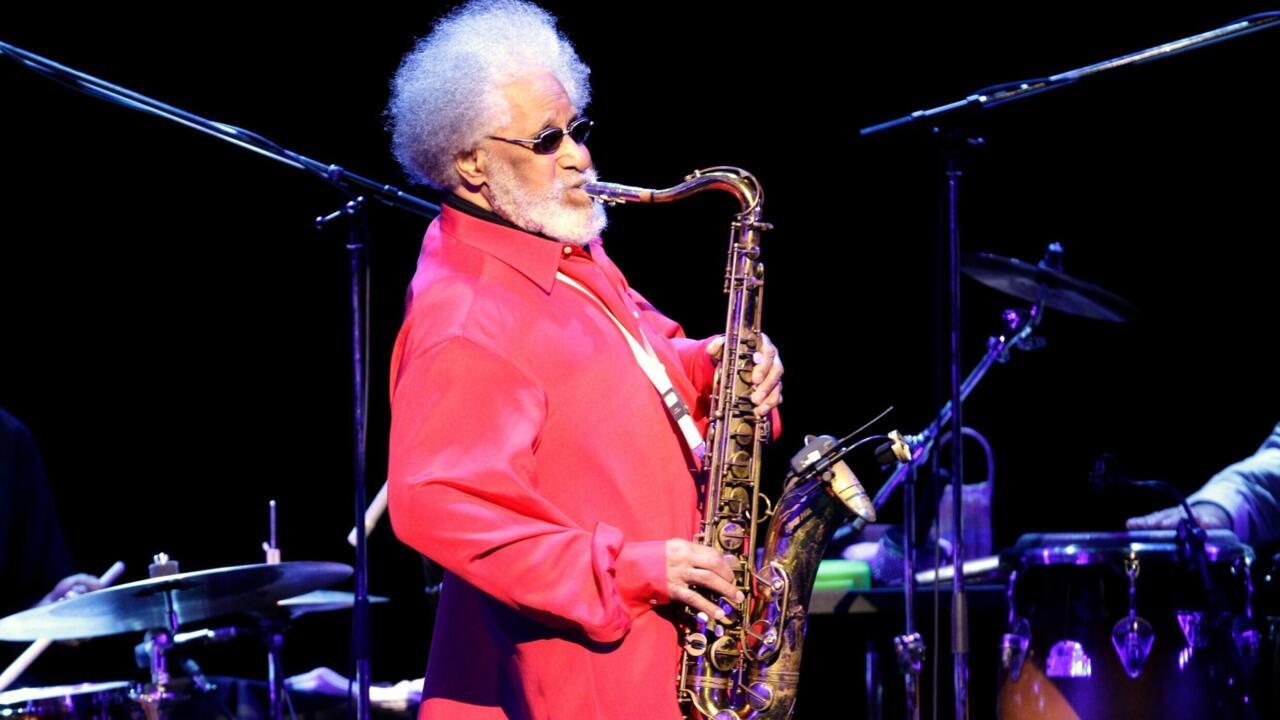
Sonny Rollins, the tenor saxophonist widely recognised as the 'Saxophone Colossus,' has died at his home in Woodstock, New York, aged 95. His passing was confirmed on Monday via a statement posted to his social media accounts, which described him as a "fiercely inventive" innovator who helped define modern jazz.
Rollins’ career, which spanned nearly seven decades, was characterised by a constant evolution in his musical approach and a deep engagement with social and spiritual commentary. He is best known for his seminal 1956 album 'Saxophone Colossus,' which established him as a defining figure in hard bop, and for his 1962 comeback album 'The Bridge,' inspired by a three-year period during which he practised on the Williamsburg Bridge to avoid disturbing neighbours.
Beyond his technical mastery, Rollins used his platform to address significant political and social issues. His 1958 composition 'Freedom Suite' explicitly addressed the civil rights movement, with liner notes that criticised the persecution of African Americans in the United States. He also incorporated Caribbean calypso influences into his work, notably in his hit 'St. Thomas,' reflecting his parents' heritage from the US Virgin Islands.
Rollins maintained a complex relationship with his contemporaries, including John Coltrane, Miles Davis, Thelonious Monk, and Charlie Parker. While he acknowledged past conflicts, particularly with Coltrane, he remained a central figure in the jazz pantheon. His influence extended beyond jazz, with uncredited soloing on The Rolling Stones' 1981 album 'Tattoo You' introducing his work to a broader rock audience.
In his later years, Rollins credited his longevity to yoga, which he said helped him concentrate and avoid drugs and alcohol. Despite respiratory issues limiting his performances, he continued to remaster his work into his 80s. However, he grew increasingly pessimistic about humanity's prospects, stating in a 2016 interview that he realised "this world will never change" and is "meant to be a place of war, killing, everything."