Somalia excluded from US aid pledge as drought displaces half a million
Only 14 per cent of requested humanitarian funds have been secured, leaving displaced families in Baidoa and Dollow without adequate support despite the onset of the rainy season.
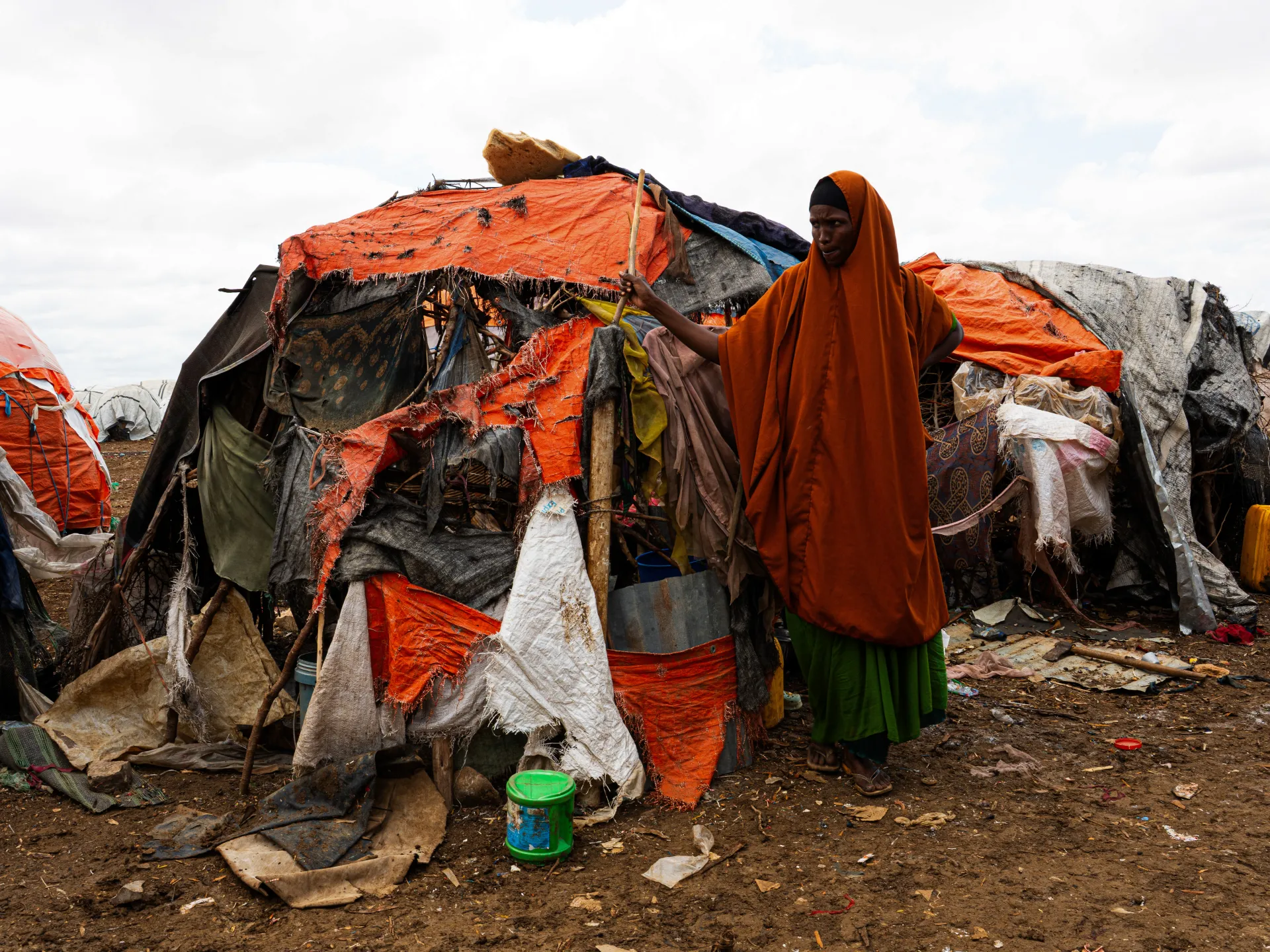
A deepening hunger crisis in Somalia has displaced more than 500,000 people this year, driven primarily by drought following the failure of September rains. This surge in displacement adds to the 3.3 million Somalis already uprooted previously, creating a compounded emergency where livelihoods and livestock have been systematically destroyed over successive years.
The humanitarian response to this crisis is critically hampered by a severe funding shortfall. According to the United Nations Office for the Coordination of Humanitarian Affairs (OCHA), only 14 per cent of the requested funds for the humanitarian response have been received. This dramatic drop in available resources has left displaced communities facing severe starvation risks with little prospect of immediate relief.
In a significant development regarding international assistance, Somalia was intentionally excluded from a $2 billion global humanitarian aid pledge announced by the United States. Officials state this omission stems from specific allegations concerning aid diversion, corruption, and the destruction of a United States-funded World Food Programme warehouse within the country.
Despite the commencement of the April–June rainy season, known locally as Gu, the situation on the ground remains dire. For families who have lost herds and farms through years of climate shocks, the onset of rain is insufficient to rebuild what has been destroyed. Displaced families arriving in camps in Baidoa and Dollow are often malnourished and exhausted, having walked long distances with nothing but wild plants for sustenance.
The United Nations OCHA Somalia Humanitarian Needs and Response Plan 2026 identifies these displaced families as facing the highest risk of starvation. However, the plan's objectives are being undermined by the lack of financial execution, leaving those who have fled conflict and environmental collapse without the institutional support required to survive.
Institutional governance issues continue to complicate the delivery of aid, with the exclusion from major global pledges potentially limiting future funding options if allegations are not resolved. As the rainy season progresses, the reliance on natural relief remains inadequate without the immediate injection of resources to address the acute food insecurity facing the population.