Solar efficiency and extreme heat reshape labour conditions in India’s salt industry
As temperatures soar past 45 degrees Celsius, tens of thousands of workers in Gujarat endure harsh conditions to produce three-quarters of India’s salt, facing inadequate shelter and limited water supplies amid forecasts of intensified heatwaves.
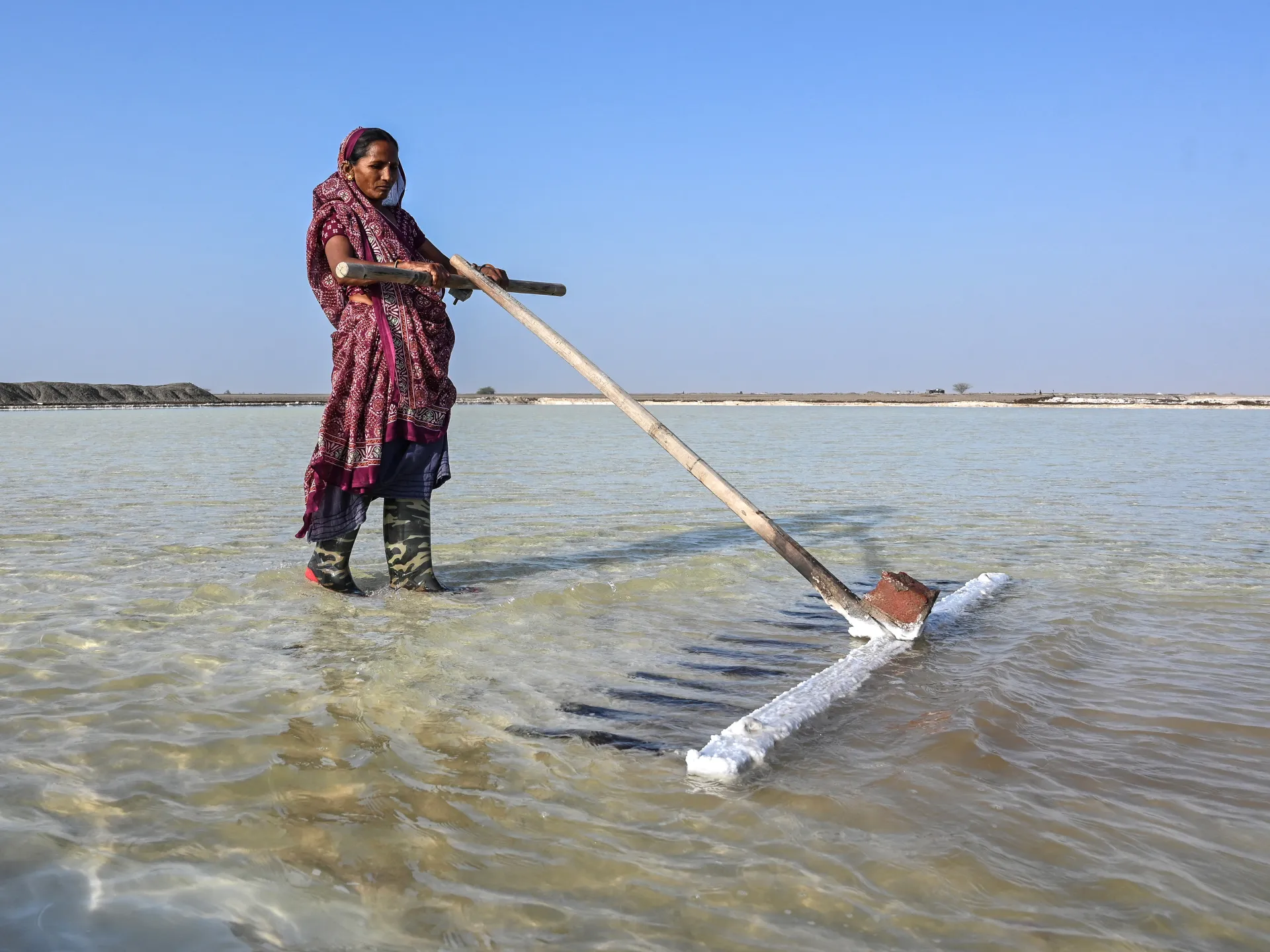
Tens of thousands of seasonal workers are operating under extreme conditions in the Little Rann of Kutch, a region in the western state of Gujarat that accounts for approximately 75 per cent of India’s total salt output. The industry relies on a workforce of up to 50,000 individuals who migrate to the remote salt flats for roughly eight months, enduring summer temperatures that routinely exceed 45 degrees Celsius and can reach as high as 48 degrees Celsius.
The operational landscape of the salt pans has shifted significantly with the transition from costly diesel-powered water pumps to cheaper solar-powered systems. While this technological change has reduced production costs, it has extended the working season into the hottest months of the year. Previously, labour ceased around March, but the new infrastructure allows for continuous pumping of saline water from bore wells into shallow evaporation pans, maintaining production cycles during periods of peak thermal stress.
Workers face severe infrastructural deficits, including a complete lack of electricity, healthcare, and permanent shelter. Water for drinking and washing is delivered by tanker only once every 25 days. In the absence of natural shade, labourers construct makeshift shelters using frames of sticks, coarse homespun cloth, and wild donkey dung to block the sun and facilitate heat escape. Coping mechanisms include staggered work schedules to avoid the hottest hours and improvised cooling techniques, such as using evaporative cooling with damp cloths or consuming hot black tea to induce sweating.
The health implications for the workforce are significant, with reports of fatigue, dizziness, and nausea indicative of heat stress. Studies have identified high levels of dehydration and early signs of kidney malfunction among salt pan communities. The India Meteorological Department has forecast an above-normal number of heatwave days in Gujarat this year, further compounding these risks. Additionally, unseasonal weather events pose economic threats, with a recent dust storm destroying salt valued at 200,000 rupees.
Despite the hazardous environment, economic alternatives remain scarce for many participants. A typical eight-month labour cycle yields a profit of approximately 250,000 rupees for a family unit, equating to roughly $450 per person. With no land for farming or livestock for livelihood, many workers view the salt industry as their only viable option, returning year after year despite the physical toll and low wages.