Sokoto’s second-chance schools: women balance study and survival
The Women Centre for Continuing Education in Sokoto State offers free tuition, yet students face significant hurdles including transport costs, limited vocational options, and domestic responsibilities.
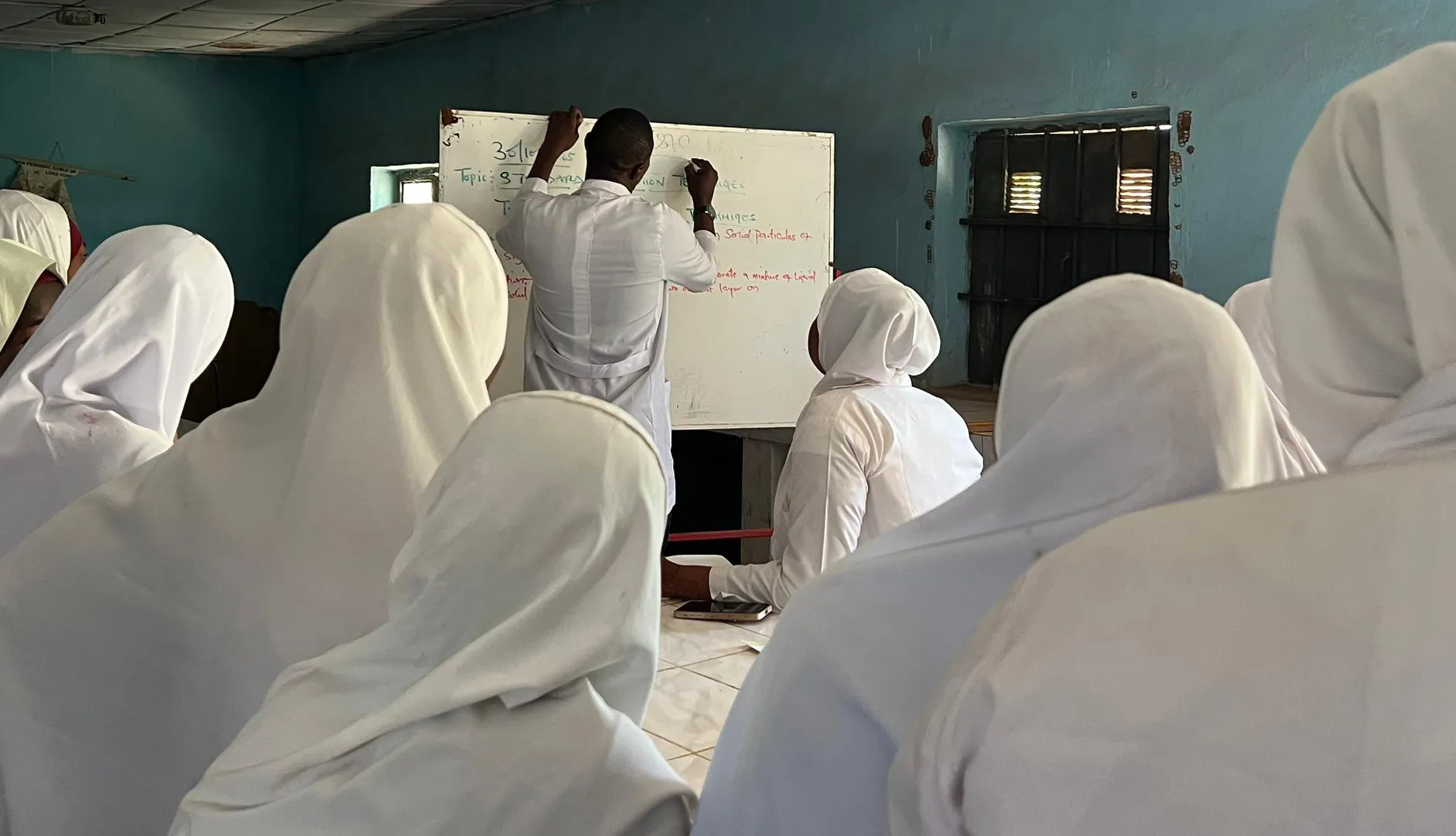
Women in northern Nigeria are increasingly returning to the classroom to complete their education, driven by a desire to overcome the barriers of poverty and early marriage that previously forced them out of school. At the Women Centre for Continuing Education (WCCE) in Sokoto State, students are balancing academic pursuits with childcare, domestic duties, and income-generating activities to sustain their studies.
Established in 1997 by the then-military governor of Sokoto State, the WCCE provides adult education and vocational skills to women who have missed formal schooling. The Sokoto State government covers tuition fees, an initiative designed to reduce the number of out-of-school children and address skills shortages in professions such as teaching and nursing. However, while tuition is free, students must still cover costs for transport, books, and daily expenses.
Habiba Abubakar, a 28-year-old mother of four, enrolled in 2021 after 13 years away from school. Frustrated by her inability to assist her child with homework, she returned to learn English and support her family. Following a divorce, Abubakar relied on her father’s financial support to cover transport costs. When that support became insufficient, he provided 10,000 naira ($3.5) to start a small business selling local snacks, which now helps her pay for travel and school-related needs.
The centre’s curriculum differs from standard public schools, offering a three-year primary section and three-year junior and senior secondary levels. Students sit for the Junior Leaving School Certificate of Education (JLSCE) and Senior School Certificate of Education (SSCE) examinations. However, some students, such as Fatima Attahir, who is studying to become a nurse, have criticised the shortened primary curriculum. Attahir, who left school 12 years ago, argued that a six-year primary course would provide a stronger foundation for professional careers.
Structural barriers remain a significant challenge. Jennifer Agbaji, executive director of the Basileia Vulnerable Persons Rights Initiative, noted that restrictive gender norms often prioritise domestic responsibilities over education. Agbaji warned that second-chance education should not rely solely on physical attendance, as mobility, health, and security issues can still exclude vulnerable women. She advocated for a lifelong learning framework that includes digital and remote learning platforms to ensure broader inclusion.
The vocational section of the WCCE has also seen reductions in its offerings. While the centre previously provided training in tailoring and soap-making, it now offers only tailoring, requiring students to supply their own tools. Despite these limitations, the centre continues to produce skilled professionals. Physics teacher Nuraddeen Ladan Dogon Daji highlighted that while students have varying levels of understanding, the programme has successfully trained individuals who now work in teaching and nursing, contributing to the national workforce.
Students like Hafsat Aliyu manage their studies by relying on family support for childcare and selling pastries during breaks to cover transport costs. Aliyu, who has a two-year-old child, said her husband covers books and occasional fees, but she needed a source of income for daily needs. She balances late-night study sessions with household chores, illustrating the complex reality of pursuing education while maintaining a household.
Agbaji emphasised that educational exclusion perpetuates poverty and limits women’s participation in governance. She stated that children of educated mothers are more likely to enrol in and complete school, highlighting the long-term societal benefits of supporting women’s education. The WCCE remains a critical, albeit imperfect, intervention in a region where more than half of girls are not attending school, according to UNICEF.