SoFi Stadium workers threaten strike over ICE deployment for World Cup
Staff at the stadium hosting upcoming World Cup matches have issued an ultimatum against the presence of federal agents, raising questions about security protocols and industrial relations ahead of the tournament.
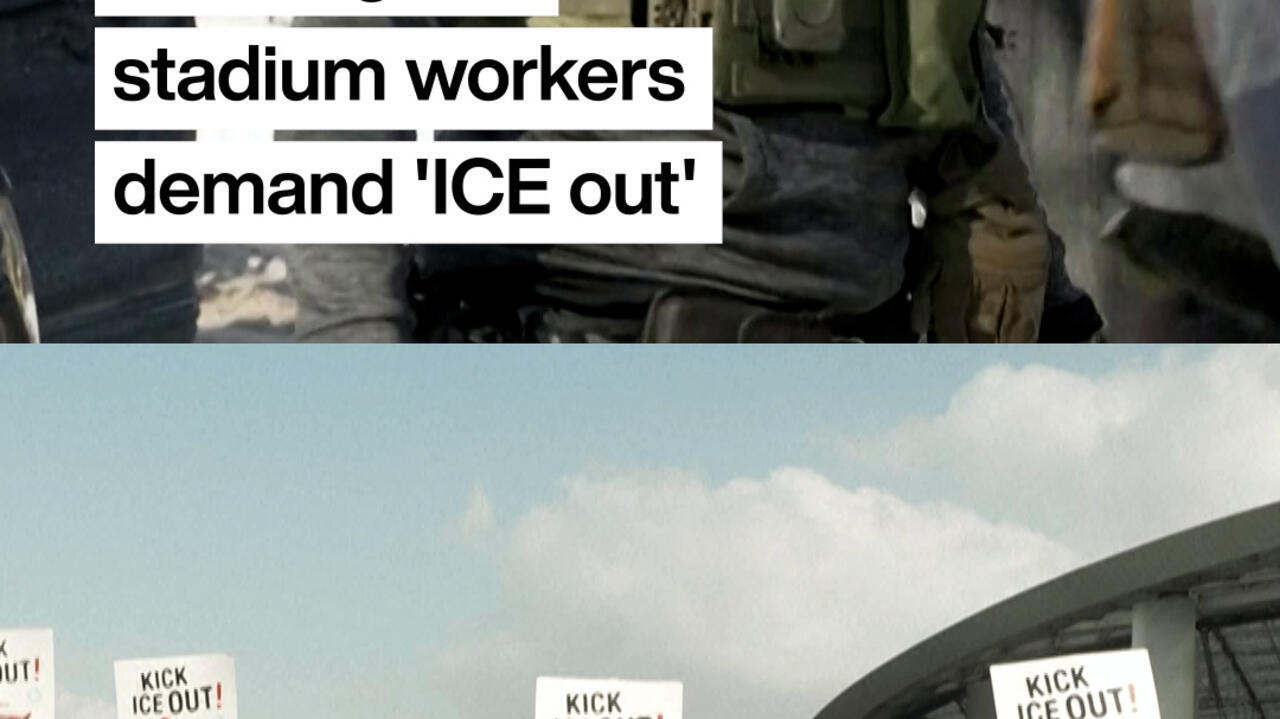
Workers at Los Angeles’s SoFi Stadium have issued a formal warning that they will initiate a strike if federal immigration enforcement agents are deployed at the venue during the upcoming World Cup. The industrial action threat was articulated on Monday, establishing a clear conditional boundary for the stadium’s operational staff ahead of the international tournament.
The potential walkout is directly linked to the presence of Immigration and Customs Enforcement (ICE) personnel. According to reports from France 24 International, the workforce has explicitly stated that the deployment of these federal agents at the venue would trigger their refusal to work. This stance frames the upcoming matches not merely as a sporting event, but as a focal point for labour rights and federal enforcement tensions.
SoFi Stadium is scheduled to host matches for the World Cup next month. The timing of the workers’ vow suggests a strategic move to influence security arrangements before the event’s commencement. By linking their labour participation to the exclusion of ICE agents, the workers are attempting to shape the governance of security operations within the stadium.
The situation highlights the intersection of major international sporting events and domestic immigration policy. As a primary venue for the tournament, SoFi Stadium is expected to manage significant security logistics. The workers’ demand effectively challenges the standard inclusion of federal immigration enforcement in such high-profile security frameworks, insisting on a separation between sporting operations and immigration raids.
While the threat of a strike has been voiced, the source material does not confirm whether negotiations have subsequently altered this position or if a consensus has been fully ratified across all worker groups. The specific criteria under which ICE agents might be deployed, or the exact nature of the security protocols being contested, remain undefined in the current reporting.
The incident underscores the complex governance challenges surrounding the World Cup in the United States. With the tournament set to take place next month, the resolution of this labour dispute will likely determine the operational reality at one of the key venues. The outcome will signal how federal security mandates interact with local industrial relations in the context of global events.
As the event approaches, the focus remains on whether the stadium management and federal authorities will adjust their security plans to accommodate the workers’ demands. The vow made on Monday serves as a significant indicator of the potential for disruption, should the deployment of ICE agents proceed as initially planned.