Smoke over St Petersburg: Drone strikes expose vulnerabilities at Russia’s economic forum
President Vladimir Putin projected economic resilience and military resolve at the International Economic Forum, but Ukrainian drone strikes on the opening and closing days revealed ongoing security gaps and strained relations with Western delegates.
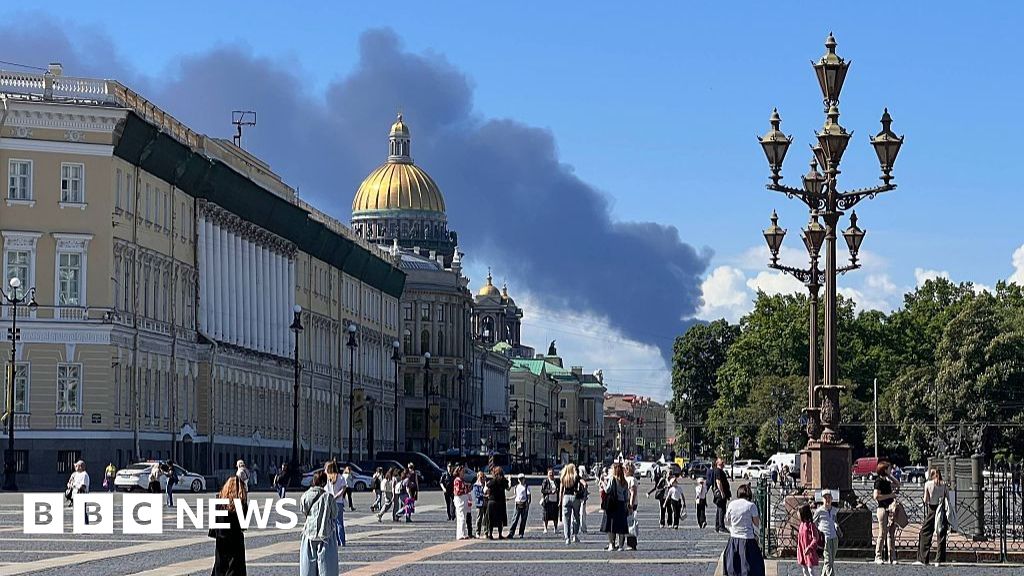
The International Economic Forum in St Petersburg (SPIEF) 2026 was defined by a stark contrast between staged projections of stability and the reality of active conflict. Ukrainian drone strikes on the city’s opening and closing days created thick black smoke plumes visible across the skyline, damaging infrastructure and disrupting the event. The attacks served as a persistent reminder of Russia’s domestic vulnerabilities, undermining the Kremlin’s narrative of invulnerability presented by President Vladimir Putin and his officials.
During the forum’s plenary session, President Putin dismissed Ukrainian President Volodymyr Zelensky’s recent open letter, which proposed peace talks in a neutral country. Putin criticised the letter’s tone as rude and rejected the overture, stating he was focused on responding to soldiers on the frontline rather than engaging in diplomatic correspondence. The President maintained that the Russian economy remained stable despite sanctions and war pressures, asserting that development continued across sectors.
However, economic indicators presented a more complex picture. Kirill Dmitriev, Putin’s special envoy on foreign investment, conceded that interest rates were "a bit too high" and argued they should be lower to encourage investment. While he claimed the economy had proven resilient over the past five years, analysts and local business owners reported stagnation and decline in many areas. Small enterprises in regions such as Lipetsk struggled to survive, and the war continued to drain significant human and financial resources.
Diplomatic complexities also marked the event, particularly regarding attendance from the United States. Rodney Mims Cook Jr, chair of the US Commission of Fine Arts, met with President Putin, with Russian officials claiming he led the first official US delegation in a decade. US Secretary of State Marco Rubio contradicted this, stating he was unaware of the delegation and did not consider it a high-level official visit. The incident highlighted the fragmented nature of international engagement with the forum.
Inside the expo centre, officials such as Duma deputy speaker Alexander Zhukov and Smolensk governor Vasily Anokhin echoed Kremlin talking points when questioned about the war and drone attacks. Despite the visible smoke and the admission of infrastructure damage, the government maintained a unified front. The forum’s eclectic exhibitions, ranging from robotics to tourism promotions, attempted to normalise the situation, but the drone strikes ensured that the conflict remained the dominant theme of the proceedings.