Six decades of rejected bills left Texas vulnerable to deadly floods, investigation finds
A review of nearly 60 years of legislation reveals that dozens of safety measures were rejected, leaving residents in high-risk zones without mandatory elevation or construction bans.
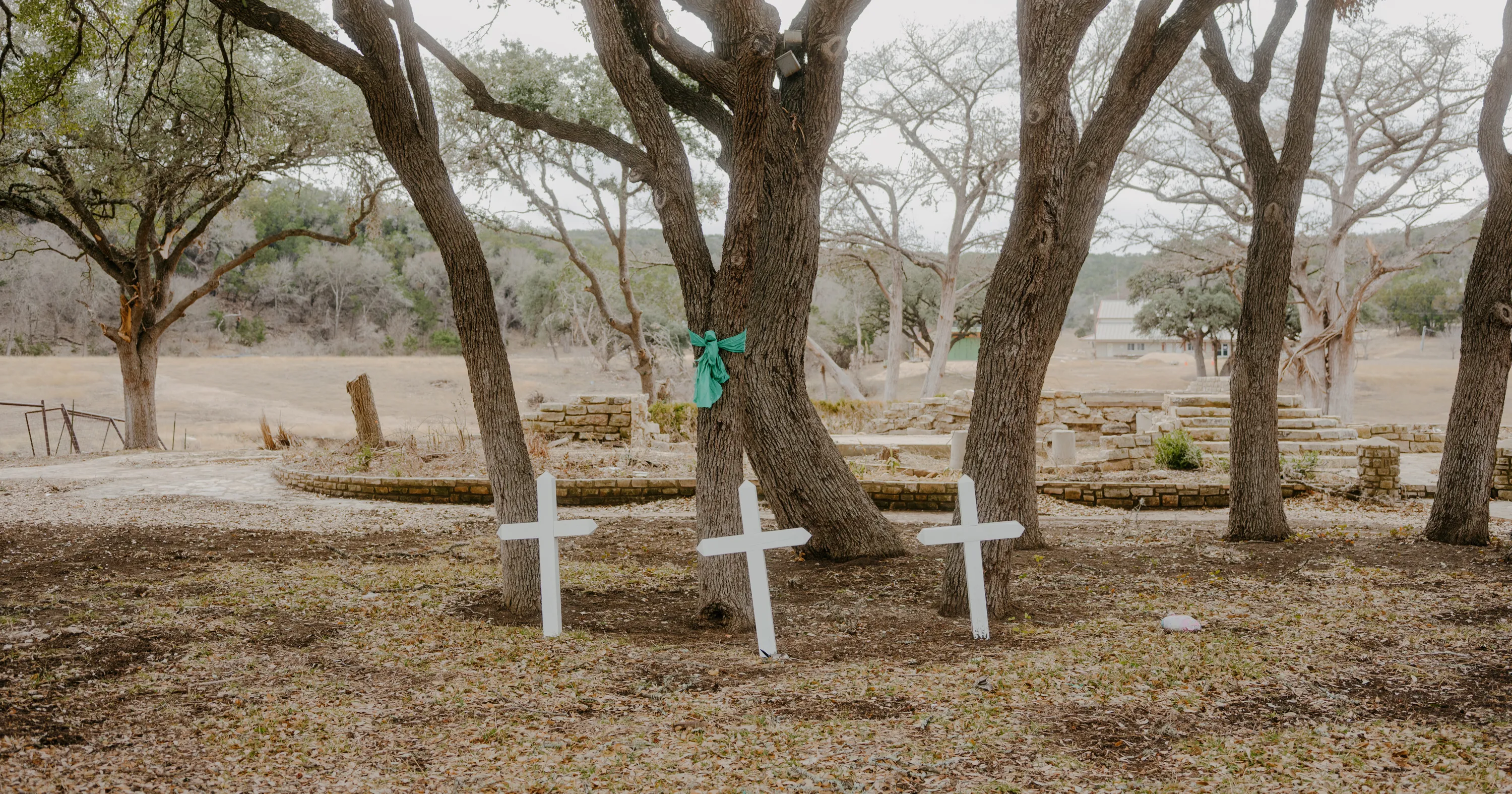
An investigation by ProPublica and The Texas Tribune reveals that Texas legislators repeatedly rejected dozens of flood safety bills over nearly 60 years. These rejected measures could have prohibited youth camps and new construction in high-risk flood zones. The newsrooms reviewed nearly 60 years of legislation and identified over 50 rejected flood safety bills.
Following the deadly July 4 floods that killed 137 people, most of whom were in federally identified flood-risk areas, only youth camps were banned after intense lobbying by grieving parents. Despite having more buildings in flood-prone areas than any state except Florida, Texas has not enacted stricter statewide building standards, such as mandatory elevation or bans on new structures in floodways, leaving many residents vulnerable to future disasters.
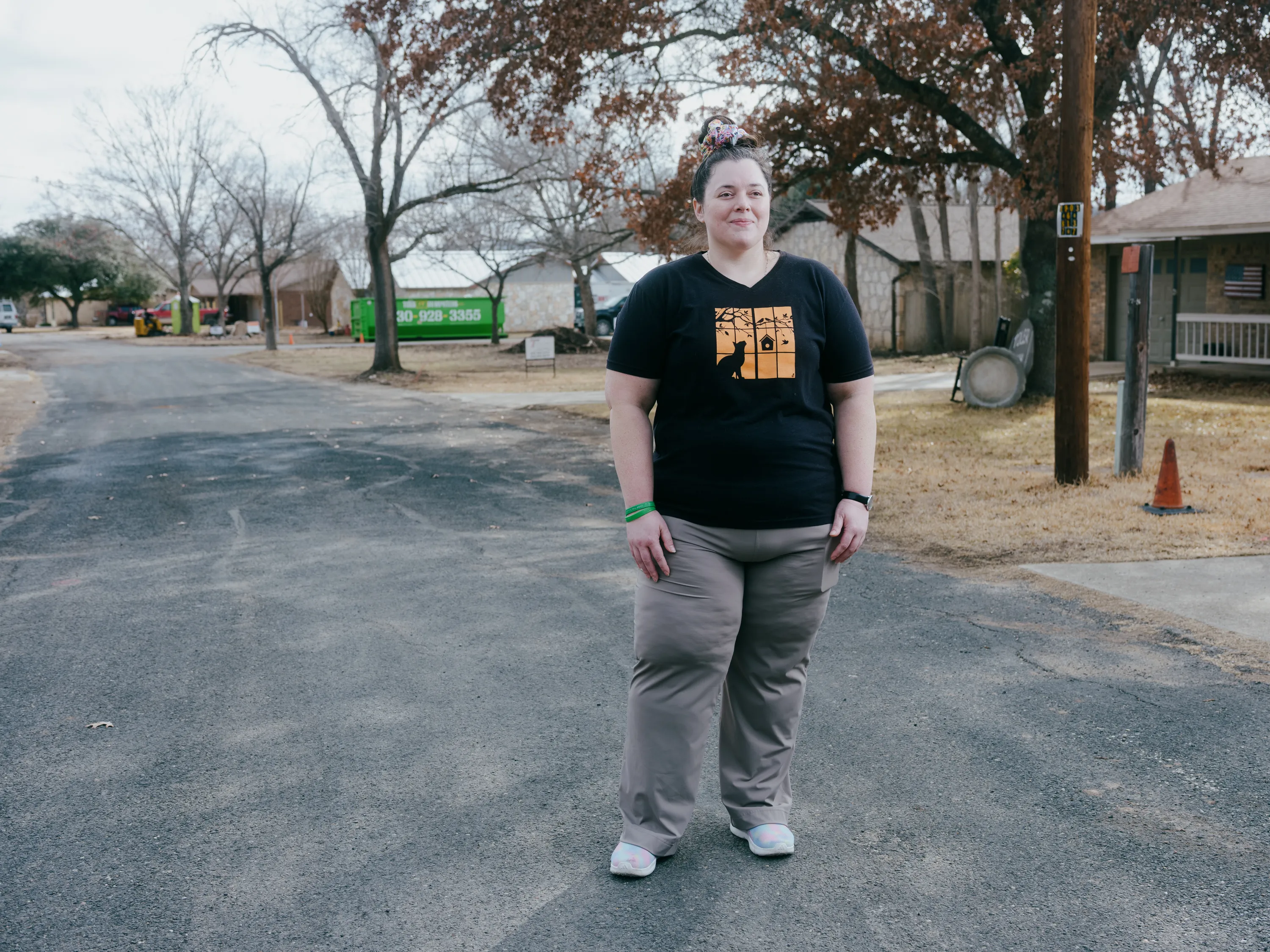
In 1973, a proposed bill to ban construction in the floodway was watered down during public hearings, removing strict regulations before passing. The state proposal would have prohibited all construction of structures for use by humans in the floodway, including the area flanking the river where the most dangerous flooding often occurs. That would not only mean houses but also hospitals, schools and nursing homes.
In 1989, a bill to ban youth camps with buildings or tents within 150 feet of a body of water was proposed but not passed. In 1993, a bill to force all cities and counties to enroll in the federal flood insurance program and require buildings to be a foot higher than federal standards was tabled.
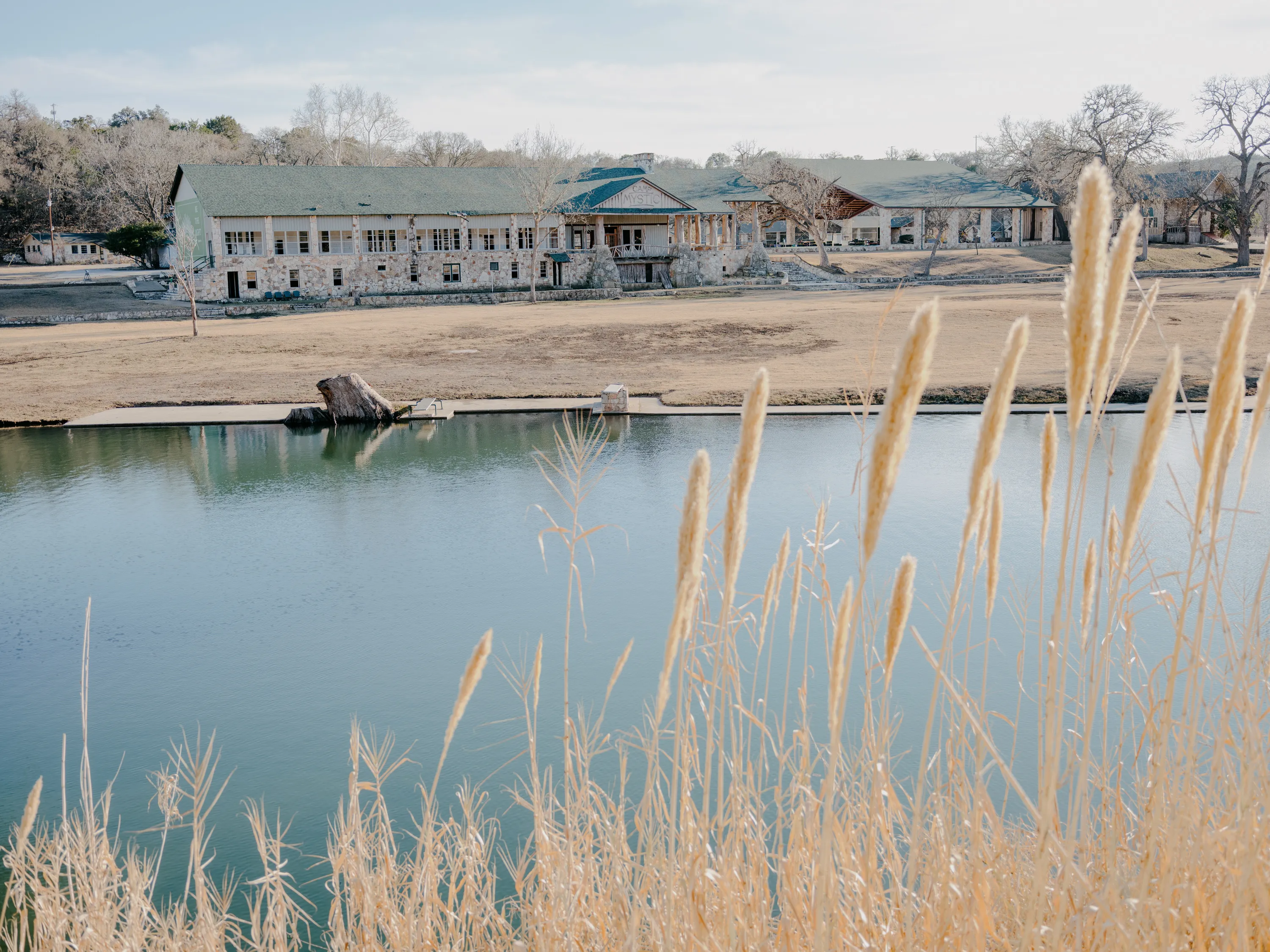
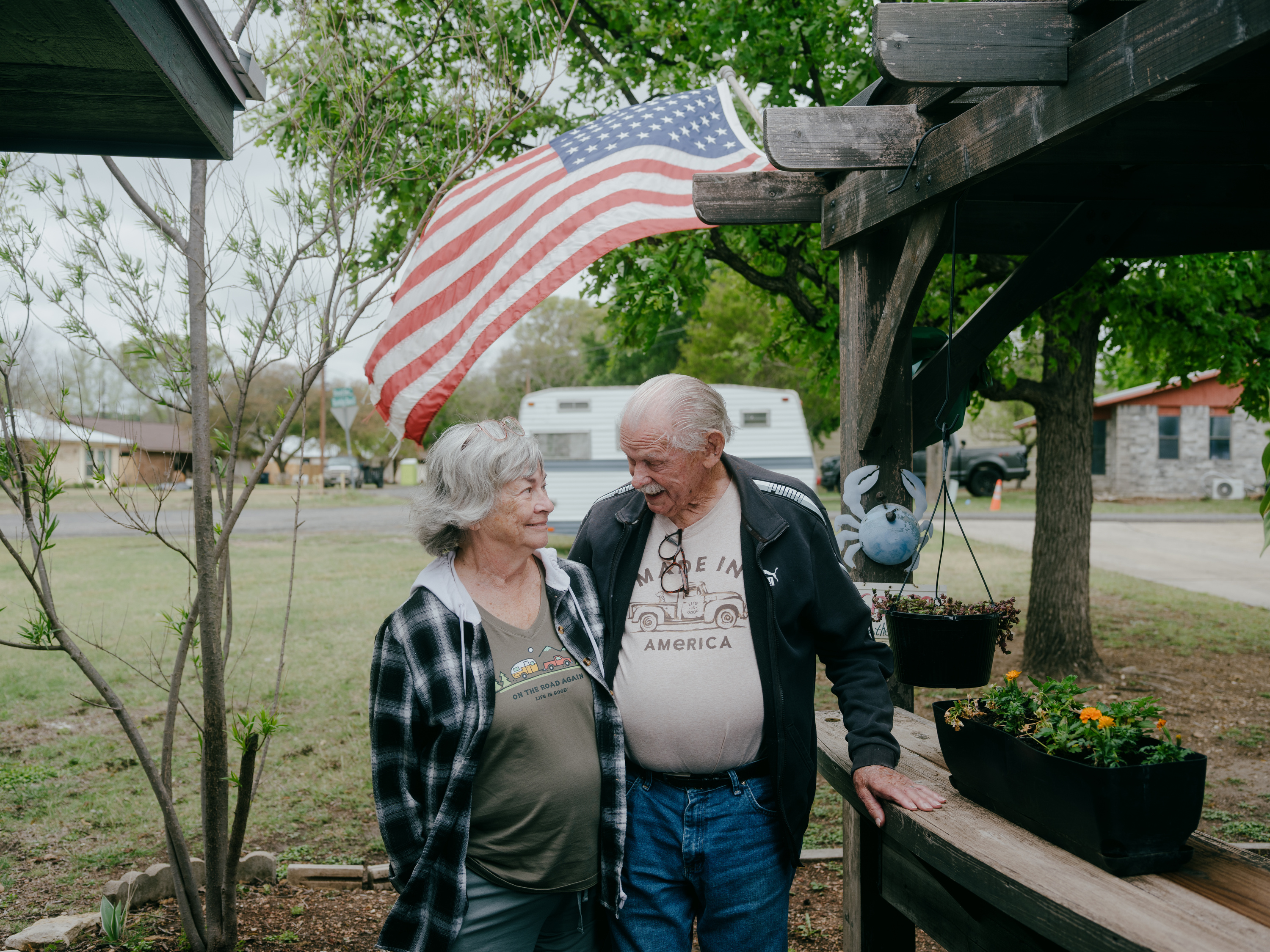
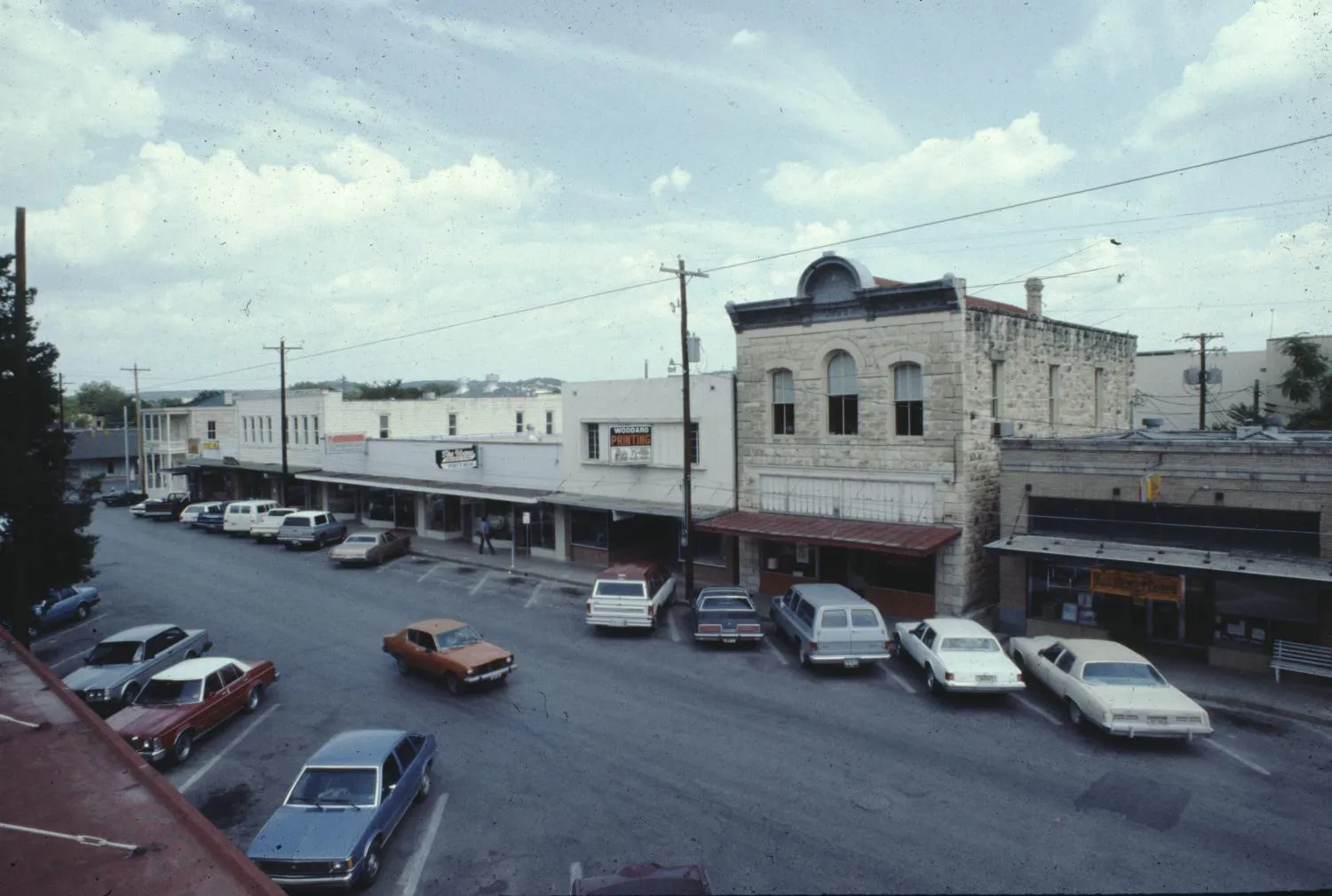
As of 2024, roughly 1 in 10 Texas cities and counties had not adopted minimum elevation standards or related regulations. Kerr County has passed its own rules but has not significantly changed rules to limit rebuilding in flood-prone areas, allowing over 100 residents to start rebuilding or renovating.
Texas trails at least 29 other states, including Florida, that have passed development standards that force structures to be built higher in flood-prone areas, according to a 2020 FEMA report. The need for stronger flood protections only grows more urgent, scientists say, as climate change makes heavy storms previously considered once in a lifetime more likely.