SIPRI warns of global nuclear arms buildup and policy shifts
With the New START treaty expired and major powers expanding arsenals, the global stockpile of approximately 12,200 warheads is set to grow as dismantlement slows.
The Stockholm International Peace Research Institute has reported that all nine nuclear-armed states modernised and expanded their arsenals in 2025, marking a decisive shift towards greater reliance on nuclear deterrence. While the global stockpile of approximately 12,200 warheads saw a slight decrease from 2024 due to the retirement of outdated models, SIPRI predicts this downward trend will reverse in coming years as dismantlement slows and new deployments accelerate.
The report identifies a general trend of governments increasingly banking on nuclear weapons for national defence, with new delivery systems introduced that can be equipped with both conventional and nuclear warheads. Tytti Erasto, a scientist with SIPRI’s Weapons of Mass Destruction program, noted that states historically known as non-aligned supporters of nuclear disarmament are now actively involved in NATO nuclear policy, such as participating in exercises simulating nuclear weapon use.
Significant policy shifts have occurred in Europe, with Finland and Sweden joining NATO’s nuclear exercises following their accession to the alliance. Meanwhile, Germany has initiated talks with France regarding closer nuclear deterrence cooperation amid growing doubts over US security commitments under President Donald Trump. Germany, which hosts an estimated 20 US nuclear bombs under a nuclear sharing arrangement, is constrained by the Two Plus Four Treaty of 1990 from possessing its own nuclear weapons.
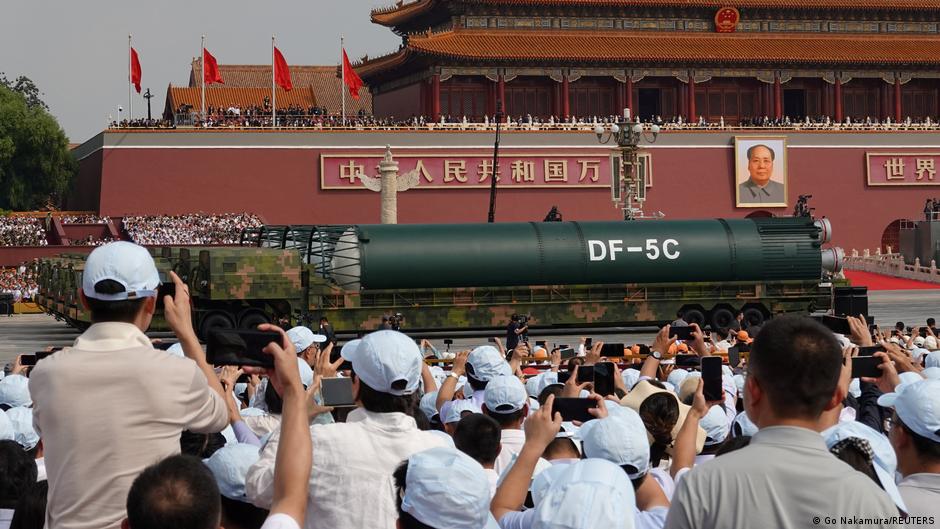
China is modernising its nuclear forces at the fastest rate, presenting a complete nuclear triad in September 2025 and expanding silo infrastructure. SIPRI estimates China possesses about 620 nuclear warheads, up from 600 in 2024, with hundreds of nuclear-capable missiles stationed in large silo fields. The institute warns that depending on how it structures its forces, China could potentially have at least as many intercontinental ballistic missiles as either Russia or the US by the turn of the decade.
North Korea continues to expand its capabilities, with estimates of 60 assembled warheads and tests of new missile systems, including the Hwasong-20. The expiration of the New START treaty between the United States and Russia in February 2026 has further fuelled arms-race dynamics. Hans M. Kristensen, a nuclear weapons expert with SIPRI, stated that evidence is growing that nuclear weapon states are sidelining disarmament commitments and instead flexing their nuclear muscles, creating new risks.