SIPRI warns nuclear deployment surge reverses decades of disarmament
Global nuclear stockpiles show marginal decline, but strategic instability grows as major powers modernise arsenals and arms control frameworks fracture.
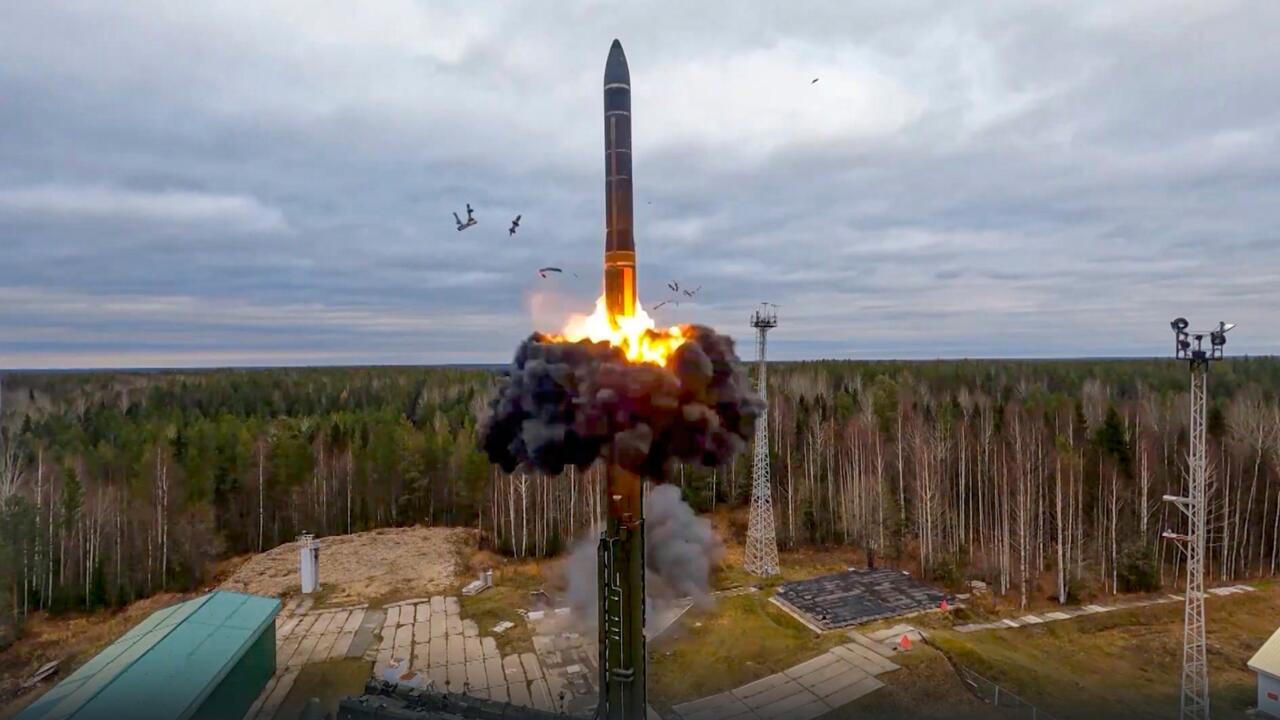
The Stockholm International Peace Research Institute (SIPRI) has issued a stark warning that nuclear-armed states are increasingly moving warheads from storage onto operational delivery systems, a shift that raises the risk of conflict despite a marginal decline in overall stockpiles. In its latest assessment, the institute estimates that the world’s nuclear powers hold 12,187 warheads, with 9,745 currently in stockpiles. This figure represents a slight decrease from the previous year, as the dismantlement of Cold War-era weapons has historically outpaced the deployment of new systems. However, SIPRI predicts that this downward trend is likely to reverse as the pace of dismantlement slows and the deployment of new nuclear weapons accelerates.
SIPRI director Karim Haggag emphasised that the immediate danger lies not in the total number of weapons, but in their operational status. "The more worrying news is that even though we have lower numbers of nuclear weapons, the level of nuclear dangers and nuclear risks are rising," Haggag told AFP. He noted a worrying trend where states are taking weapons out of storage and deploying them on nuclear-capable delivery systems, thereby increasing the number of deployed nuclear weapons. This shift is driven by a breakdown in strategic arms control and intensifying geopolitical competition, which SIPRI identifies as key drivers of the current arms-race dynamics.
The United States and Russia continue to dominate the global landscape, holding approximately 83 per cent of the world’s nuclear stockpile, with more than 5,000 warheads each. Both nations are pursuing nuclear modernisation programmes, though both face significant hurdles. The United States’ programme has encountered planning and funding challenges that are expected to delay progress and increase costs. Meanwhile, Russia’s efforts have been hampered by failed tests of intercontinental ballistic missiles (ICBMs), economic sanctions, and competing demands linked to the war in Ukraine. The impending expiration of the New START treaty in February 2026 further fuels these competitive dynamics.
China is expanding its nuclear arsenal faster than any other country, with SIPRI estimating its current stockpile at 620 warheads. Haggag stated that intensifying geopolitical competition provides a strong incentive for Beijing to increase its reliance on nuclear weapons. Depending on how China structures its forces, it could possess as many ICBMs as the United States and Russia by 2030. However, SIPRI noted that even if China reaches 1,000 warheads by that time, it would still represent only a quarter of the stockpiles held by the United States and Russia.
In Europe, France and the United Kingdom have maintained steady arsenals at 290 and 225 warheads respectively, though both have plans for future increases. The UK’s stockpile is expected to grow following a 2021 review that recommended a higher ceiling, while French President Emmanuel Macron ordered an increase in the French stockpile in March. Elsewhere, India is believed to have slightly expanded its arsenal to 190 warheads, while Pakistan’s number remained stable at 170, despite continued accumulation of fissile material. North Korea is estimated to have about 60 warheads and is continuing to expand its capabilities, while Israel is believed to be modernising its arsenal, estimated at about 90 warheads.