Silver slides to two-week low as US-Iran conflict escalates
Precious metal prices fell further on Wednesday as renewed military strikes between the United States and Iran pushed energy costs higher and raised the prospect of a Federal Reserve rate hike.
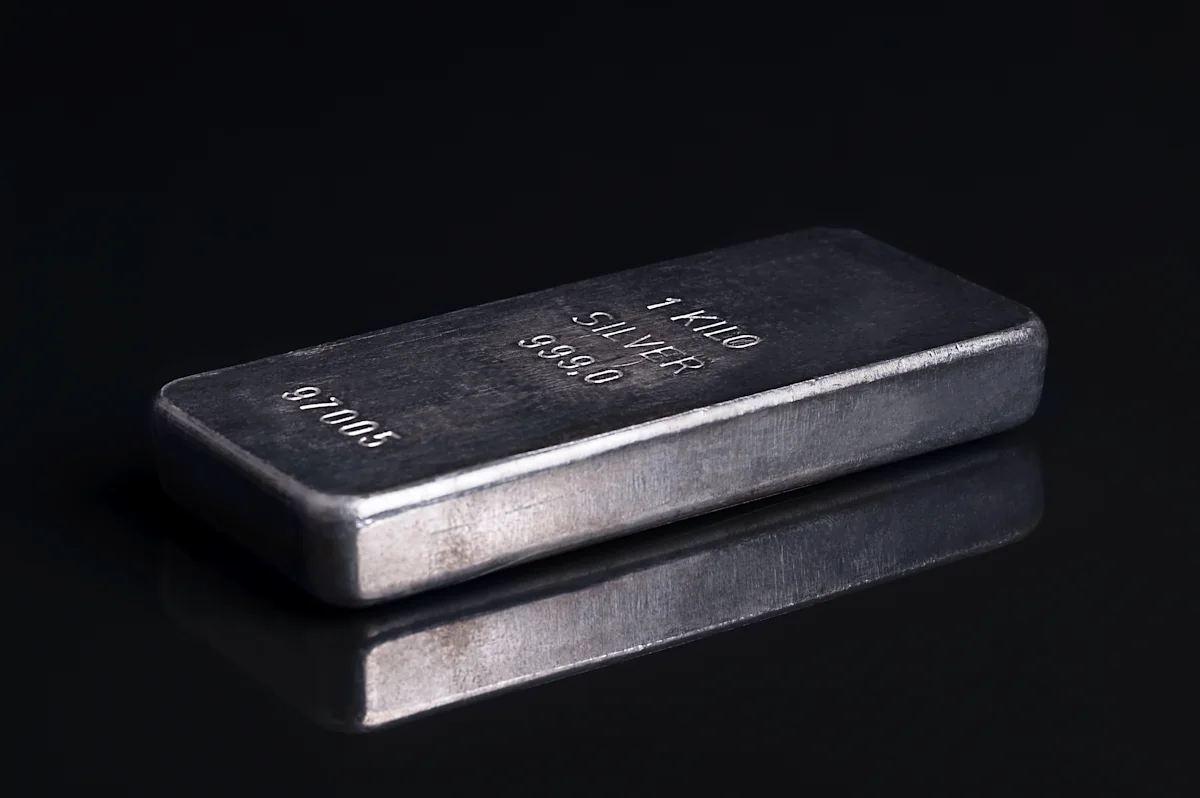
Silver December futures opened at $64.69 per ounce on Wednesday, 2 September 2026, down 1.0 per cent from the previous close. The price continued to slide in early trading, reaching $64.24 per ounce by 6:48 a.m. ET. This decline marked the lowest levels for the metal in two weeks, according to data from Yahoo Finance.
The drop followed the US military launching a second wave of attacks against Iran within a three-day span. The Iranian military responded by targeting US bases in the Middle East, a move that analysts say signals a significant shift in strategy. The conflict has moved from an economic-pressure approach, aimed at forcing a peace deal and reopening the Strait of Hormuz, to direct military engagement.
This re-escalation has immediate implications for energy markets. Brent Crude prices have returned to near $95 a barrel, driven by the renewed fighting. Rising energy costs are increasing the likelihood that the Federal Reserve will be forced to raise interest rates later this month. Higher rates typically exert downward pressure on precious metals like silver, which do not yield interest.
Despite the recent sell-off, silver remains a standout performer in the commodities sector. Prices have more than tripled over the past year and increased by more than 100 per cent year to date. On 14 May, the metal’s year-over-year growth stood at 173.3 per cent. In late August, silver September futures were trading around $68.62 per ounce, indicating a sharp correction in the last few days.
The metal’s price volatility is partly due to its dual role as both a store of value and an industrial input. Silver is extensively used in manufacturing, including in solar panels, electronics, and medical devices. This industrial demand can cause more drastic price changes compared to gold, which is primarily viewed by governments and investors as a hedge against inflation and geopolitical crises.
Investors are now watching to see if the fighting persists. If energy prices continue to rise, the Federal Reserve may have little choice but to tighten monetary policy, which could further weigh on silver prices in the coming weeks.