Silver retreats below $60 as US-Iran tensions fuel inflation fears
Geopolitical escalation in the Strait of Hormuz is driving energy costs higher, prompting the Federal Reserve to consider tightening monetary policy to curb inflation, while silver futures remain capped below the $60 per ounce mark.
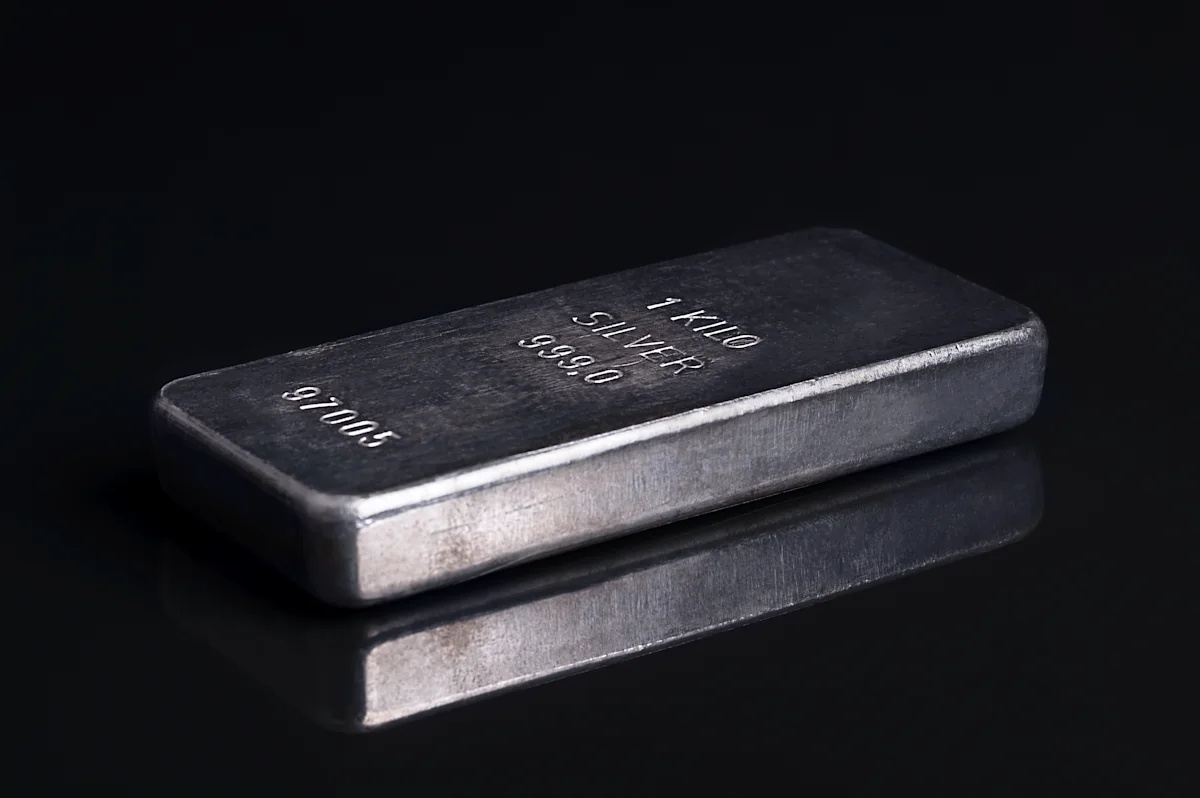
Silver futures opened at $59.04 on Wednesday, July 15, 2026, marking a 0.1% decline from the previous day’s opening level. By 7:56 a.m. ET, prices had slipped further to $58.45 per ounce, continuing a trend of suppression below the $60 threshold. This downward pressure coincides with intensifying military hostilities between the United States and Iran, which have disrupted market stability and altered investor sentiment toward precious metals.
The ongoing conflict, characterised by exchanged air attacks and the recent shooting down of a US helicopter, has had immediate repercussions for global energy markets. Oil prices have surged by more than 9% over the past five days, reversing the gains achieved during the previous month when regional conditions were comparatively peaceful. The volatility in energy markets is now a primary driver of macroeconomic uncertainty, with the Federal Reserve giving serious consideration to interest rate hikes in September to address the resulting inflationary pressures.
US President Donald Trump has vowed to maintain selective military strikes until Iran relents and reopens the Strait of Hormuz, a critical chokepoint for global shipping. The threat to vessels in the strait has heightened fears of supply chain disruptions, further entrenching the link between geopolitical risk and commodity prices. This strategic stance follows a series of targeted US strikes, including operations conducted for four consecutive days leading up to the current escalation.
Despite the recent sell-off, silver has demonstrated significant long-term strength. As of May 14, 2026, the metal recorded a year-over-year growth of 173.3%, having more than tripled in value over the past year. However, the industrial nature of silver, which sees demand from sectors such as electronics, solar panel manufacturing, and medical devices, makes its pricing more susceptible to economic shifts compared to gold. While gold is often viewed as a primary store of value, silver’s dual role as an industrial commodity and a precious metal subjects it to more drastic price swings.
The Federal Reserve’s potential policy response adds another layer of complexity to the outlook for precious metals. Although a softer-than-expected inflation report in June indicated that price increases had eased, the recent spike in energy costs threatens to undo that progress. The central bank’s focus on cooling energy-driven inflation suggests a tighter monetary environment, which typically weighs on non-yielding assets like silver. Investors are now monitoring how the interplay between geopolitical conflict and monetary policy will dictate the metal’s trajectory in the coming months.