Silver plunges below $60 as dollar strength and industrial slowdown weigh on prices
Silver July futures opened at $61.30 on Wednesday, June 24, 2026, before falling to $59.32, marking the first time the metal has traded below the $60 threshold since December 2025.
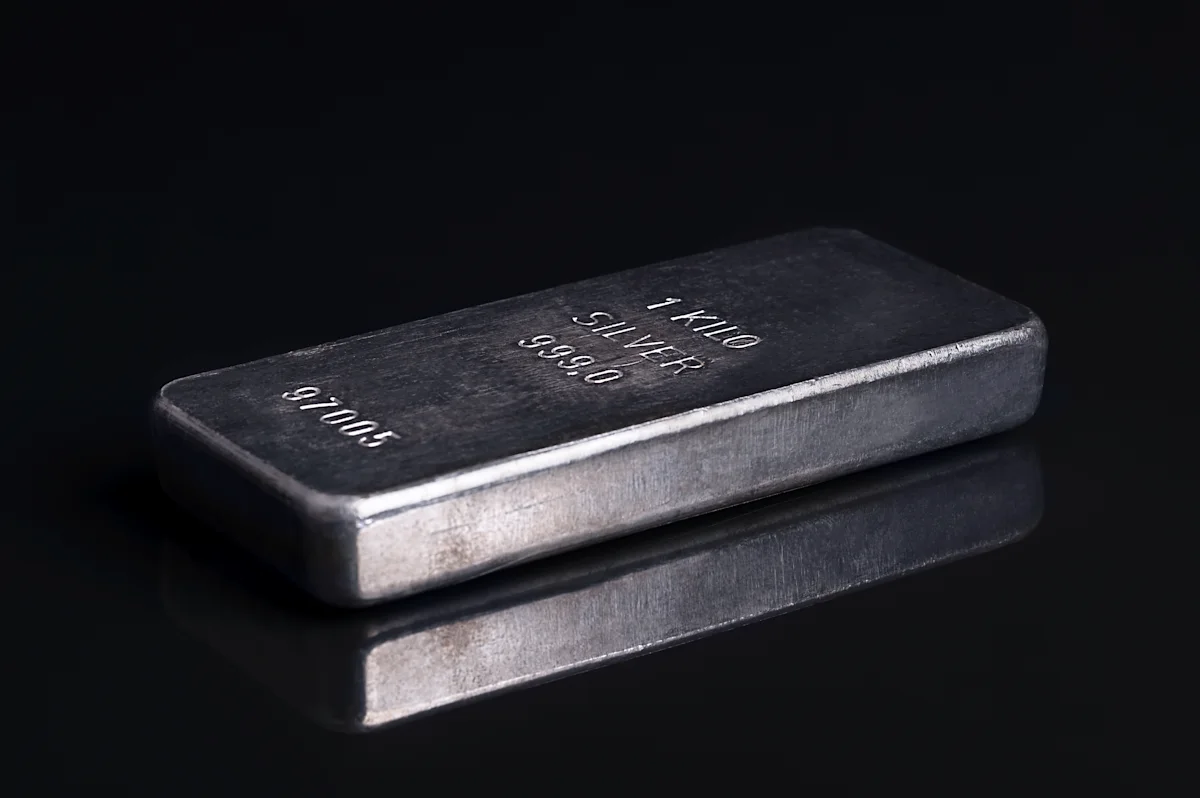
Silver prices suffered a sharp reversal on Wednesday, breaching the $60 per ounce mark for the first time in six months. According to data from Yahoo Finance, Silver July futures opened at $61.30, representing a 6 per cent decline from the previous day’s opening price. Trading activity accelerated the downward trend, with prices dropping to $59.32 by 8:18 a.m. ET, establishing the lowest opening level for the week.
The sell-off highlights the metal’s sensitivity to macroeconomic pressures. The decline is primarily attributed to a strengthening US dollar, which typically exerts downward pressure on precious metals, alongside anticipated increases in interest rates. Additionally, reduced industrial usage is cited as a key factor dampening demand, underscoring silver’s dual role as both a monetary asset and an industrial commodity.
This move marks a significant shift in momentum for the precious metals sector. Silver had more than tripled in value over the preceding year, yet the current year-on-year gain of 71.1 per cent stands as the lowest of the year. For context, the year-on-year growth rate was recorded at 173.3 per cent on May 14, indicating a substantial cooling in the metal’s appreciation trajectory.
Market dynamics continue to show silver and gold moving in tandem, though silver is exhibiting greater volatility and steeper declines. While gold is traditionally viewed as a store of value and a hedge against inflation, silver’s price is heavily influenced by its industrial applications. The metal is integral to the production of solar panels, electronics, and medical devices, meaning that shifts in manufacturing demand can cause more drastic price fluctuations compared to gold.
Historical data suggests that gold has generally outperformed silver over the past 50 years, serving as a primary reserve asset for central banks. However, the recent price action demonstrates how industrial headwinds can impact silver more severely. Despite the current correction, the metal remains significantly higher than its levels from late 2025, when it last opened below $60 on December 9, 2025.