Silver futures rebound to $65 as rate-hike fears ease
Silver September futures recovered from a weak open to reach $65 per ounce, driven by improved interest-rate outlooks despite persistent geopolitical tensions in the Middle East.
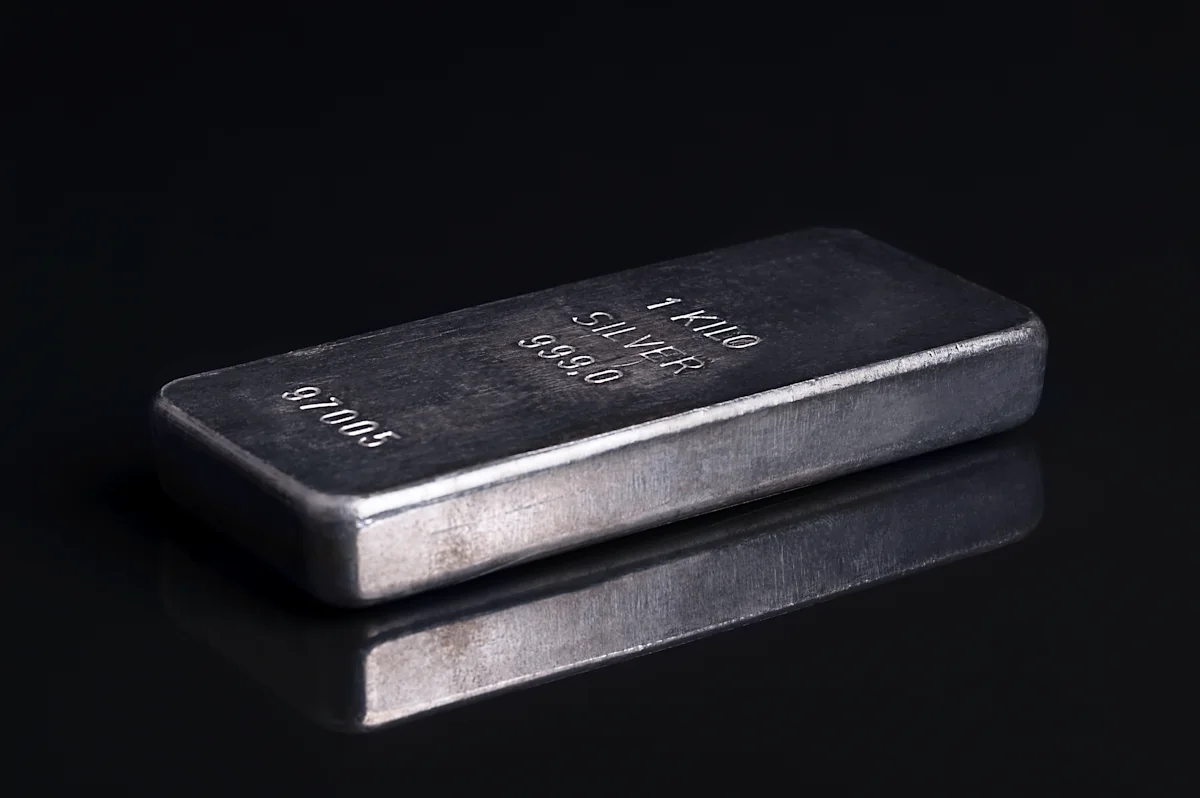
Silver September futures opened at $63.43 per ounce on Wednesday, 19 August 2026, marking a 1% decline from the previous day’s close. However, the metal quickly regained ground in early trading, climbing to $65 by 8:55 a.m. ET. This intraday recovery was attributed to a shift in market sentiment regarding monetary policy, specifically lower expectations for upcoming rate hikes.
According to Yahoo Finance, the improved interest-rate outlook provided a counterweight to ongoing geopolitical risks. Tensions in the Middle East, including the continuing war in Iran, have remained a significant catalyst for volatility in precious metals markets. Despite these headwinds, the easing of rate-hike expectations offered a supportive environment for silver prices in the morning session.
Despite the short-term strength, silver remains down approximately 9% for the year. The metal’s performance has been characterised by significant swings, including a spike in late January followed by a dip into negative territory in March. This volatility is largely due to silver’s dual nature as both a precious metal and an industrial commodity.
Silver’s industrial applications, which include use in solar panels, electronics, and medical devices, make it more sensitive to economic fluctuations than gold. Consequently, the metal tends to exhibit greater price volatility. The current gold-to-silver ratio stands near 68, which is within the long-term average range of 50 to 80.
The broader context for silver prices has been one of substantial growth over the past year, with prices more than tripling despite recent sell-offs. While gold is often viewed primarily as a store of value held by central banks, silver’s role in manufacturing adds a layer of complexity to its price drivers. This distinction has led to different long-term performance trajectories for the two metals, with gold generally outperforming silver over the past 50 years.
Investors continue to monitor these dynamics as they navigate a market influenced by both macroeconomic policy and geopolitical instability. The interplay between industrial demand and monetary policy remains a key factor in determining silver’s trajectory in the coming weeks.