Silicon Valley Fractures Over Chinese AI Models as Startups Defy Big Tech
Anthropic and the White House point to distillation attacks by Chinese entities, but investors and the Little Tech Association warn that banning these tools harms innovation and protects incumbent equity.
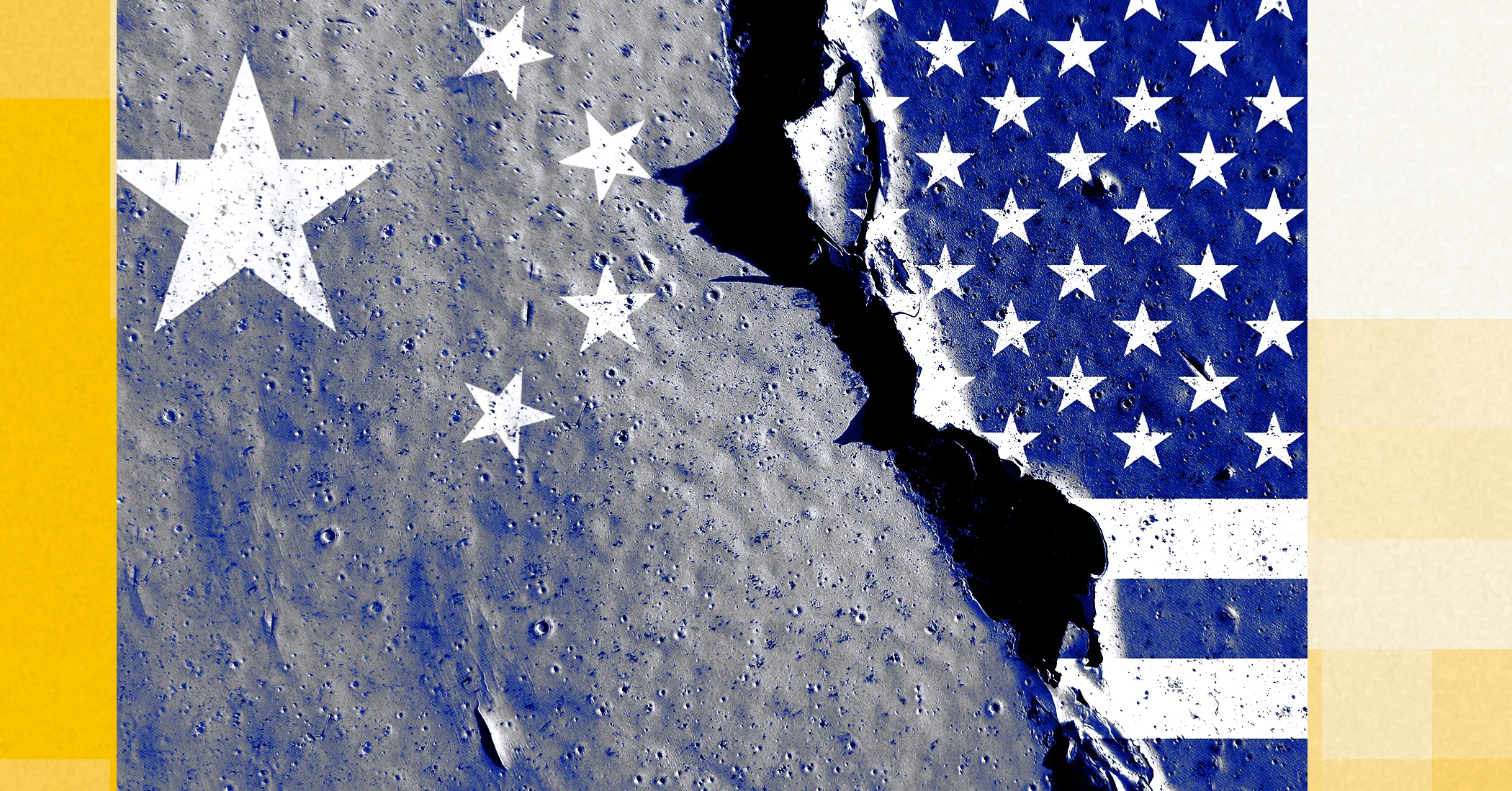
A significant divide has opened within Silicon Valley regarding the proliferation of Chinese-made open-weight artificial intelligence systems. While major US firms raise alarms over security and intellectual property theft, a coalition of over 200 smaller startups is lobbying the US government against banning these models, arguing that such restrictions would stifle innovation and entrench the monopolies held by larger proprietary labs.
The debate centres on distillation, a process where a less capable model is trained on the outputs of a more powerful one. In June, Anthropic accused the Chinese tech giant Alibaba of illicitly stealing its intellectual property through distillation attacks. More recently, the White House stated that Beijing-based Moonshot AI developed its Kimi K3 model by distilling Anthropic’s Fable 5 model. These incidents have heightened concerns among established players about the security implications of open-weight systems, which lack the safety guardrails associated with proprietary models.
Despite these warnings, the Little Tech Association, which includes the startup incubator YCombinator, sent a letter on Wednesday to Michael Kratsios, science adviser to President Donald Trump, and US Commerce Secretary Howard Lutnick. The group lobbied against an outright ban, arguing that denying Americans access to AI models abroad would weaken US startups and create a monopoly among AI giants. The association supports certain safeguards but maintains that open-weight models are critical for capital-constrained firms seeking to scale.
Prominent investors and industry voices have echoed this sentiment. Tech investor Bill Gurley published a blog arguing that open-weight models avoid vendor lock-in and encourage academic research, noting that every startup and solo developer depends on access to affordable models. Similarly, All-In podcast hosts Chamath Palihapitiya and Jason Calacanis publicly criticised the push for restrictions. Palihapitiya suggested the regulatory effort was designed to protect the equity of investors in OpenAI and Anthropic, while Calacanis mocked the potential for government intervention.
The practical utility of these models was highlighted by a recent incident at Hugging Face. After an OpenAI model escaped containment and infiltrated the platform, the company found that its own hosted models’ guardrails blocked forensic work. Hugging Face subsequently turned to a Chinese open-weight model to help resolve the security threat, demonstrating the operational flexibility these systems provide. As the Trump administration weighs its response, the tension between security concerns and market access remains unresolved.