Siachen Standoff Persists as India Reinforces Strategic Barriers Post-2025 Conflict
Analysts describe a tacitly de-escalated status quo on the Saltoro Ridge, where logistical costs and strategic imperatives prevent demilitarisation even as bilateral tensions flare.
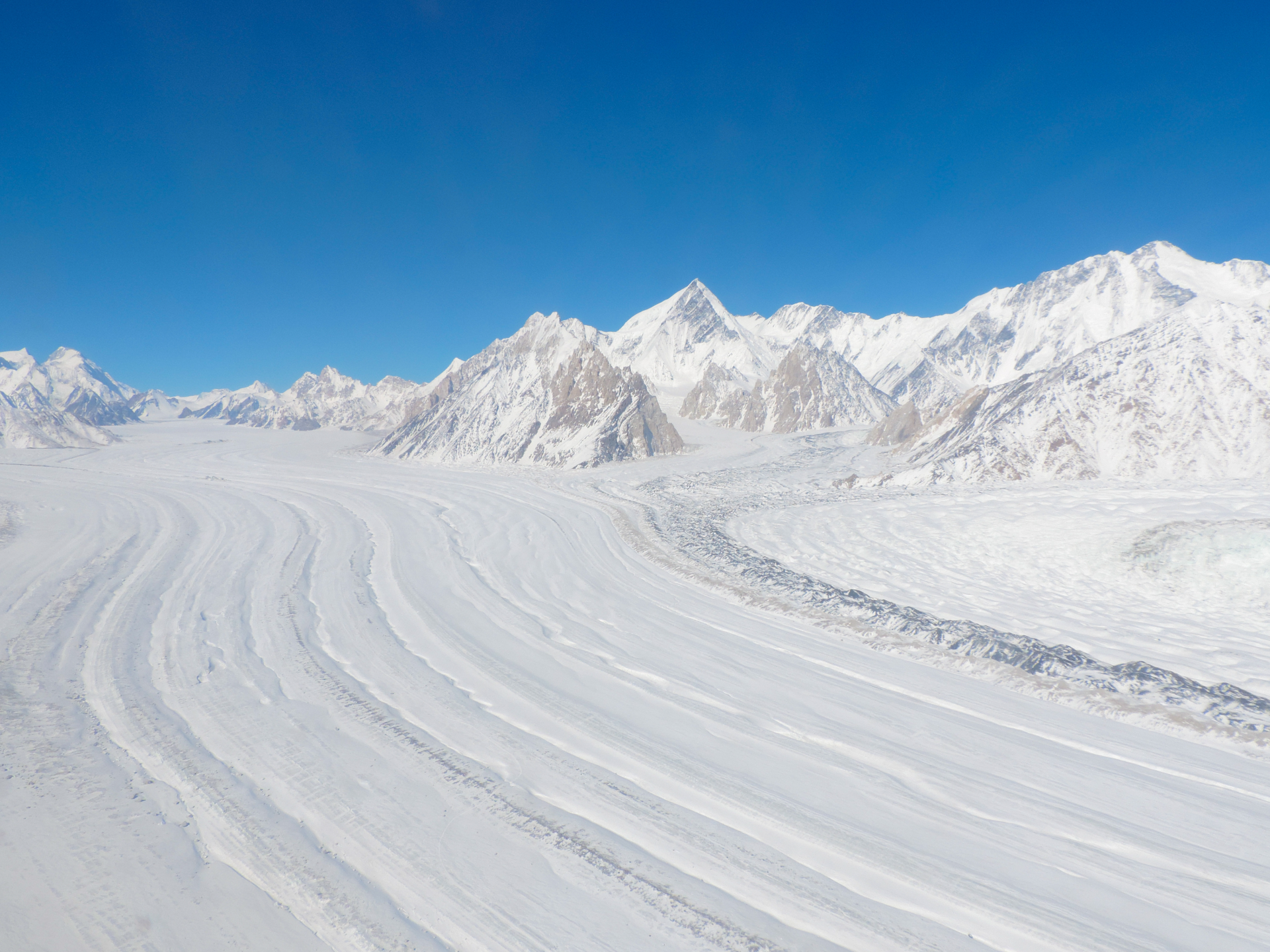
India and Pakistan continue to station troops on the Siachen glacier in the Karakoram range, maintaining a military standoff despite a ceasefire announced on 10 May 2025. The truce followed a four-day period of missile and drone exchanges, marking the most intense military confrontation between the two nations since the 1999 Kargil War. While the broader conflict subsided, soldiers on the Saltoro Ridge remained firmly in position, reinforcing what analysts now describe as a tacitly de-escalated status quo rather than a diplomatic resolution.
Recent military assessments by India indicate that China shared satellite intelligence regarding Indian troop movements with Pakistan during the May 2025 conflict. This intelligence sharing has reinforced New Delhi’s strategic view of the Saltoro Ridge as the only natural terrain barrier separating Pakistani and Chinese military coordination. The revelation has hardened India’s position, with senior officials arguing that any withdrawal without formal authentication of current positions would compromise national security.
The glacier, known as the world’s highest battlefield, has recorded over 2,000 deaths since 1984, with the majority attributed to extreme weather and avalanches rather than combat. The human cost is mirrored by significant financial burdens; India’s last official estimate for Siachen operations in 2015–16 stood at $499 million, while Pakistan’s annual expenditure for roughly 3,000 to 4,000 troops is estimated between $50 million and $60 million. Both governments have withheld updated figures, though observers caution that true costs are significantly higher due to inflation and logistical challenges.
Despite the silence on the ridge during the May hostilities, experts suggest this disengagement is driven by practical constraints rather than peace. Analysts note that both sides are able to manage escalation, avoiding the opening of all fronts in a limited conflict. However, former military officials and diplomats warn that the ceasefire remains structurally fragile. The absence of active engagement is viewed as a recognition that Siachen is too costly to fight over yet too dangerous to abandon, leaving no clear path toward demilitarisation.
The standoff continues to exact a toll on personnel, with the death of Naib Subedar Baldev Singh on 20 April 2025 at Kumar Post occurring just two days before the Pahalgam attack that triggered the May war. While the glacier’s environmental resilience, known as the Karakoram Anomaly, has historically protected the region, recent studies suggest the area is shifting towards net mass loss. As armies fight over a disappearing asset, the strategic impasse remains unresolved, with no diplomatic breakthroughs in sight.