Shinsegae Group faces sales collapse and political fallout over Starbucks 'Tank Day' controversy
South Korean authorities and the public have condemned the marketing campaign, leading to executive dismissals and a sharp decline in revenue for the US coffee giant’s local subsidiary.
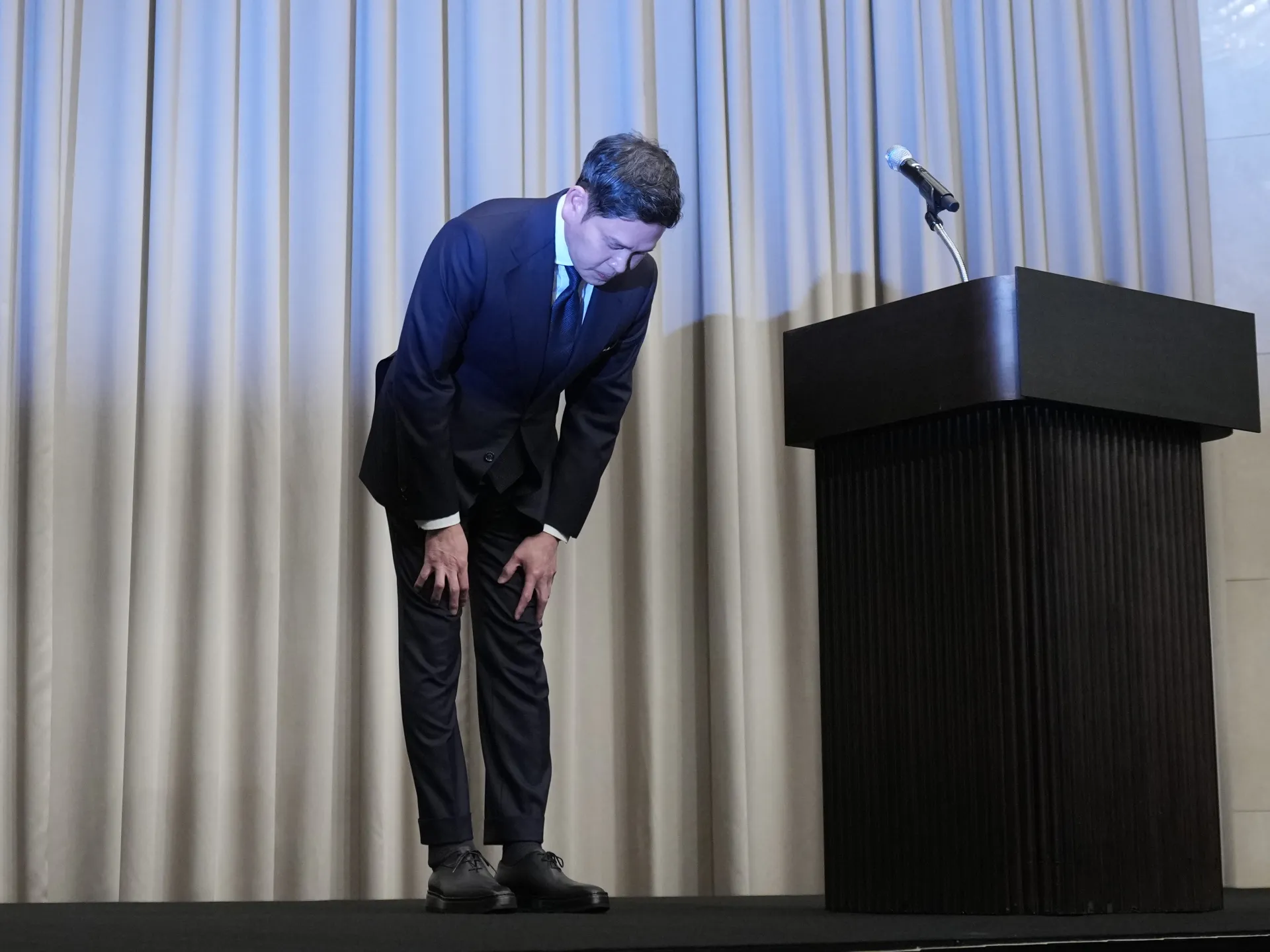
Starbucks Korea has reported a "very significant" decline in sales following public outrage over a marketing campaign titled 'Tank Day', which coincided with the anniversary of the 1980 Gwangju Uprising. Shinsegae Group, the local operator whose subsidiary E-Mart holds the rights to the coffee chain in South Korea, issued a public apology and dismissed the head of Starbucks Korea in response to the backlash.
South Korean President Lee Jae Myung and government officials condemned the campaign as disrespectful to democratic values. Interior and Safety Minister Yoon Ho-jung confirmed that Starbucks products will no longer be used at government events, citing the chain’s "anti-historical behaviour". The controversy has also prompted calls for widespread boycotts and the removal of the brand from official state functions.
During a news conference on Tuesday, Shinsegae Group chairman Chung Yong-jin took full responsibility for the incident. He apologised for the "deep pain" caused to victims and bereaved families of the May 18 Democratization Movement, urging the public not to direct anger at front-line staff. Chung stated that the responsibility lies with management, though he noted there were no immediate reports of major incidents at stores.
Jeon Sangjin, a senior Shinsegae executive, indicated that the company had not yet found conclusive evidence that marketing employees intended to mock the pro-democracy movement, an accusation the staff have denied. However, he revealed that some employees refused to hand over their smartphones during a weeklong internal review. Shinsegae officials stated they would await the results of a police inquiry, noting that any employee found to have intended to ridicule protesters would be dismissed.
The Gwangju Uprising occurred in 1980 when the military government, led by Chun Doo-hwan, deployed troops and tanks to suppress pro-democracy demonstrations, resulting in hundreds of deaths or disappearances. While sales are not currently the main concern for Shinsegae, an official confirmed a sharp drop in revenue since the controversy began. Starbucks Global has also apologised and launched an investigation into the matter.