Severe gusts recorded in Sendai as low-pressure system hits Tohoku region
A developing low-pressure system triggered extreme wind conditions across northern Japan, with peak speeds exceeding 30 m/s in Sendai on 2 May 2026.
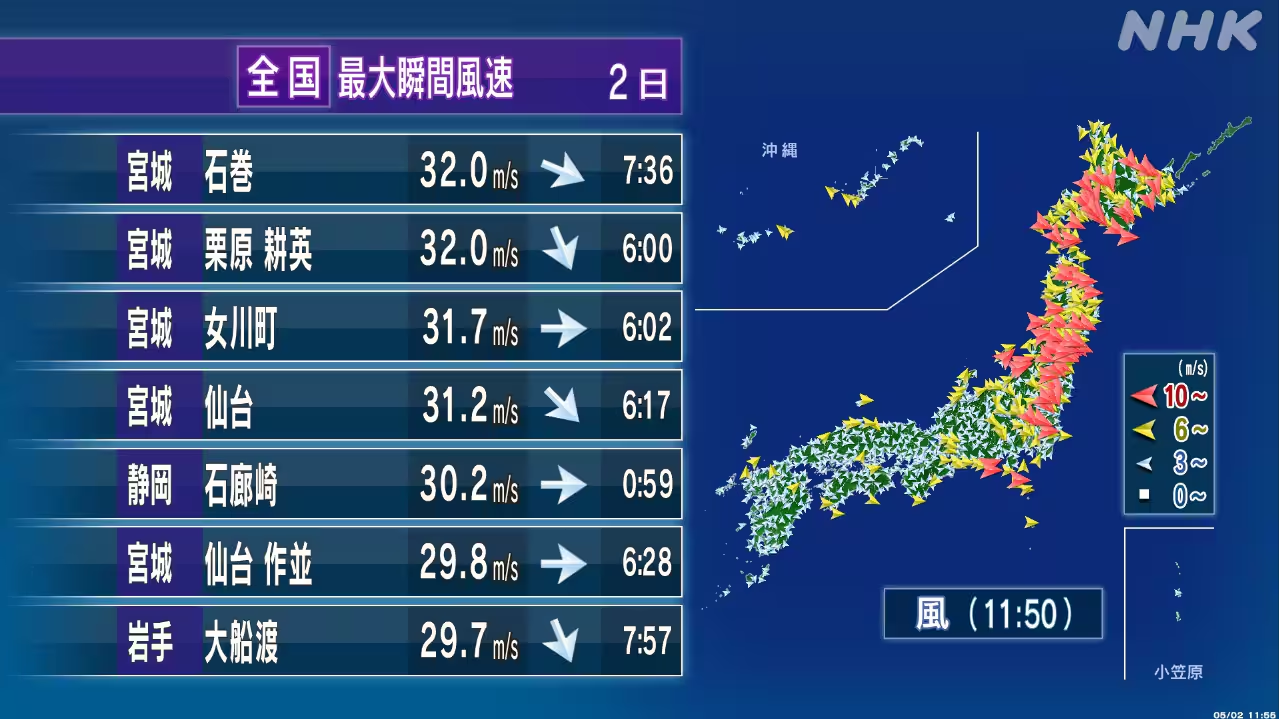
A developing low-pressure system has triggered severe weather conditions across Japan's Tohoku region, with authorities monitoring the potential for cascading disruptions during the Golden Week holiday. On 2 May 2026, the maximum instantaneous wind speed recorded in Sendai reached 31.2 m/s, surpassing the 30 m/s threshold for very strong winds.
The Japan Meteorological Agency has issued specific alerts regarding the implications of these gusts, highlighting risks to building structures and the stability of transport networks. Officials are urging caution as the meteorological event coincides with a period of high travel volume, increasing the likelihood of significant delays to transport services.
NHK News reports that the intensity of the winds has prompted live updates concerning the status of highways and Shinkansen services. While the core meteorological data confirms the peak gust in Sendai, the full extent of wind speeds across the wider Tohoku region remains unconfirmed in the current reporting.
The timing of this event presents a complex governance challenge, as the weather phenomenon occurs during a critical window for domestic mobility. The Japan Meteorological Agency's warnings focus on the potential for damage to infrastructure and the disruption of logistics, rather than reporting confirmed incidents of structural failure or specific transport cancellations at this stage.
Policy implications are evident in the need for coordinated response between meteorological forecasting and transport management. The agency's communication strategy emphasises the risk of potential damage to buildings, ensuring that the public is aware of the severity of the low-pressure system without speculating on unverified outcomes.
As the situation develops, the focus remains on the immediate warnings issued by the Japan Meteorological Agency. The convergence of extreme weather and the Golden Week holiday underscores the necessity for robust contingency planning to mitigate the impact on public safety and economic activity in the region.