Seven US States Challenge Federal Wind Lease Buyouts in Landmark Legal Action
The Trump administration’s use of the Judgment Fund to compensate TotalEnergies and others for abandoning offshore wind projects faces scrutiny over procedural legality and national security justifications.
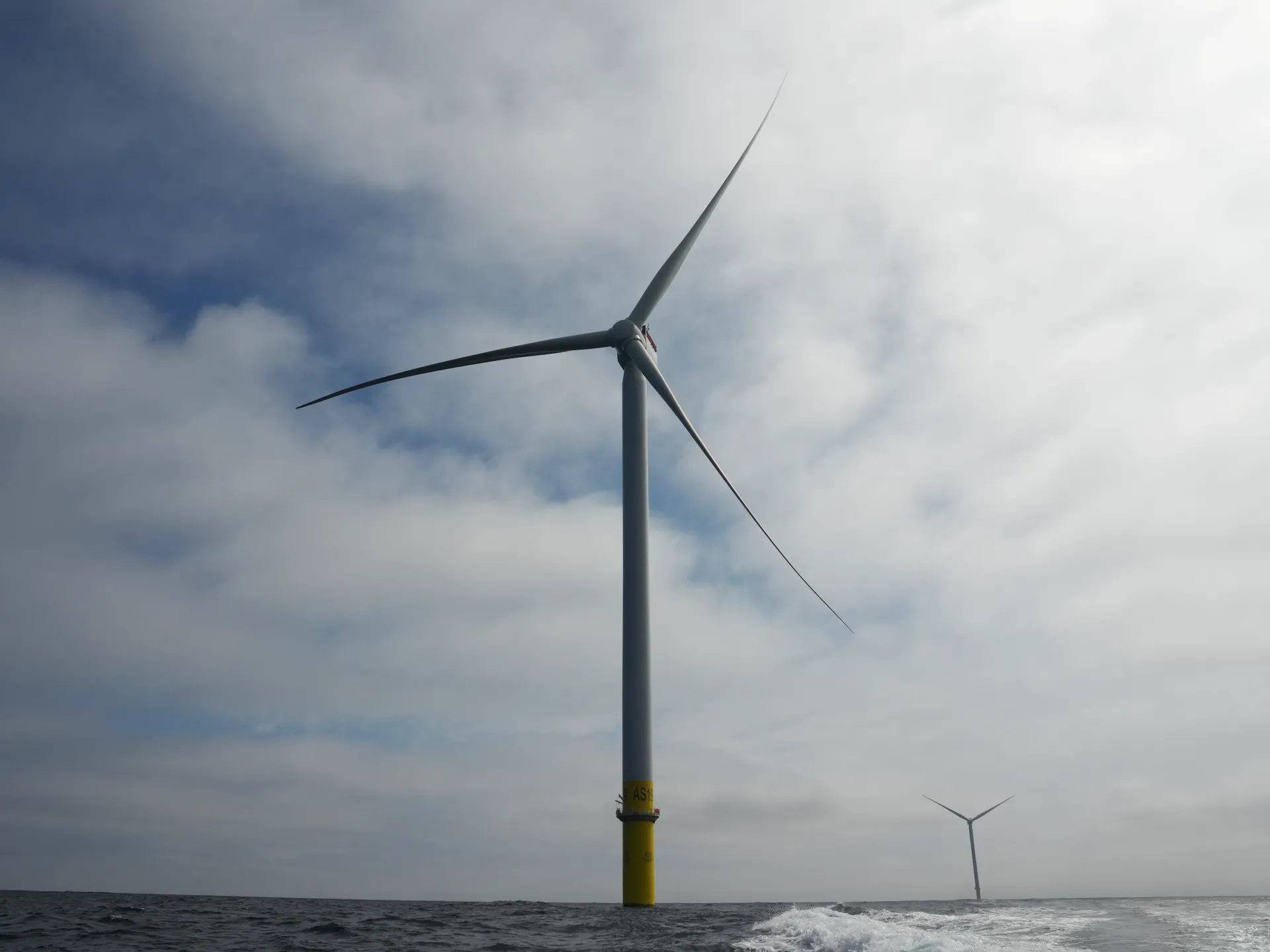
Seven northeastern US states have initiated legal proceedings against the Trump administration, contesting federal agreements that paid energy developers to withdraw from offshore wind leases. The lawsuit targets arrangements involving French firm TotalEnergies, Golden State Wind, and Blue Point Wind, wherein the federal government disbursed more than $2 billion to facilitate the abandonment of these projects in favour of oil and gas investments.
The states’ attorneys general argue that the cancellations lack a reasoned explanation and threaten grid reliability, particularly in New York, which they assert is in significant need of additional electricity. The Attentive Energy project, a joint venture with TotalEnergies, was intended to power a million homes and businesses across New York and New Jersey. The filing contends that the Interior Department failed to account for reliance interests or address alternative means of achieving its stated objectives.
Central to the legal challenge is the administration’s reliance on the Judgment Fund to process these payments. The states’ filing asserts that the fund requires a legitimate dispute over liability or amount, a condition they argue was not met as the projects were progressing when the agreements were reached. Legal experts describe the use of the fund in this context as unprecedented and potentially capricious, raising concerns about the procedural integrity of the lease terminations.
The Trump administration cited security concerns raised by the Pentagon as the justification for cancelling the leases. However, the states dispute this rationale, noting that security reviews had already been completed prior to the awarding of the leases. The filing further argues that the Interior Department did not hold hearings to determine if valid security concerns existed, despite the Outer Continental Shelf Act governing these leases.
Parallel regulatory actions are underway, with the California Energy Commission issuing a subpoena to Golden State Wind for documents related to its settlement deal. This move may lead to further litigation against the developer or the federal government, as California estimates a loss of more than $100 million in infrastructure investments. Meanwhile, the New York State Common Retirement Fund is considering divesting from TotalEnergies following the settlement, signalling growing investor scrutiny over the policy shift.