Seoul weighs Hormuz deployment as Gulf tensions escalate
South Korea is preparing to seek parliamentary approval to send military assets to the Strait of Hormuz, aiming for a dispatch before the end of the year amid rising oil prices and renewed hostilities between the United States and Iran.
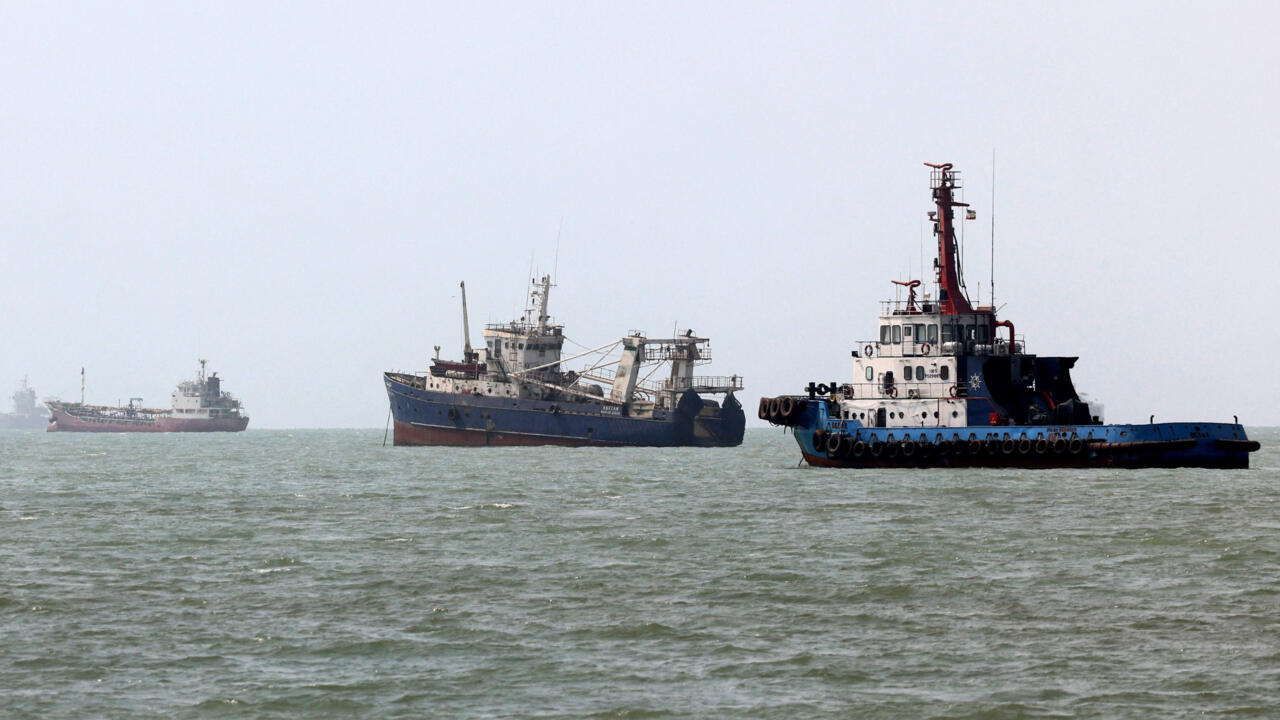
South Korea is actively reviewing options to deploy military assets to the Strait of Hormuz to support freedom of navigation, according to reports from South Korean media. While the government has not yet made a final decision, preparations are underway to seek parliamentary approval for a potential dispatch before the end of the year. The move comes as Seoul attempts to balance its contribution to regional security with its own domestic military readiness.
Specific options under consideration include the deployment of a maritime patrol aircraft, a logistics support vessel, or a mine detection and clearance unit. A presidential Blue House official stated that contributions to the Strait of Hormuz could be managed within limits that do not compromise South Korea's military readiness. The official also noted that claims Seoul had provided no assistance on the issue were "not true," adding that a review was still under way.
The potential deployment is being shaped by discussions with key allies, including the United States, Britain, and France, regarding the scale and nature of a contribution. However, the Blue House official indicated that South Korea-US security talks were "not currently progressing," with semiconductors among the issues under discussion between the allies. The government is reportedly preparing to submit a consent motion to parliament this month after cabinet review.
This institutional review occurs against a backdrop of rising tensions in the Middle East. Iran launched strikes on American military targets in the Gulf, specifically targeting US bases in the United Arab Emirates and Kuwait. These strikes were reportedly in retaliation for an attack that killed four people at a wedding on Tuesday night. The conflict between the US and Iran has been ongoing for six months, with US Vice President JD Vance stating he would not categorise the Iran war as a war.
The geopolitical instability has had immediate economic consequences, with oil prices rising significantly. Brent crude futures rose to $95.67 a barrel, and US West Texas Intermediate crude futures rose to $91.56. This marks the steepest weekly gain since mid-July, as heightened concerns over Middle East supply risks drive market volatility.
In related developments, President Donald Trump named Adam Telle, a civilian leader in the US Army Corps of Engineers, as the acting Army secretary following the departure of Dan Driscoll. Driscoll had departed amid widespread reports of tensions with Defence Secretary Pete Hegseth. Meanwhile, Israeli Prime Minister Benjamin Netanyahu voiced confidence that the Iranian Islamic republic could soon fall, describing it as "weaker than ever."