Seoul tests Arctic trade lane as Suez disruptions bite
South Korea’s first commercial container voyage via the Northern Sea Route has begun, a strategic move to diversify supply chains amid Middle East instability and position Busan as a global maritime hub.
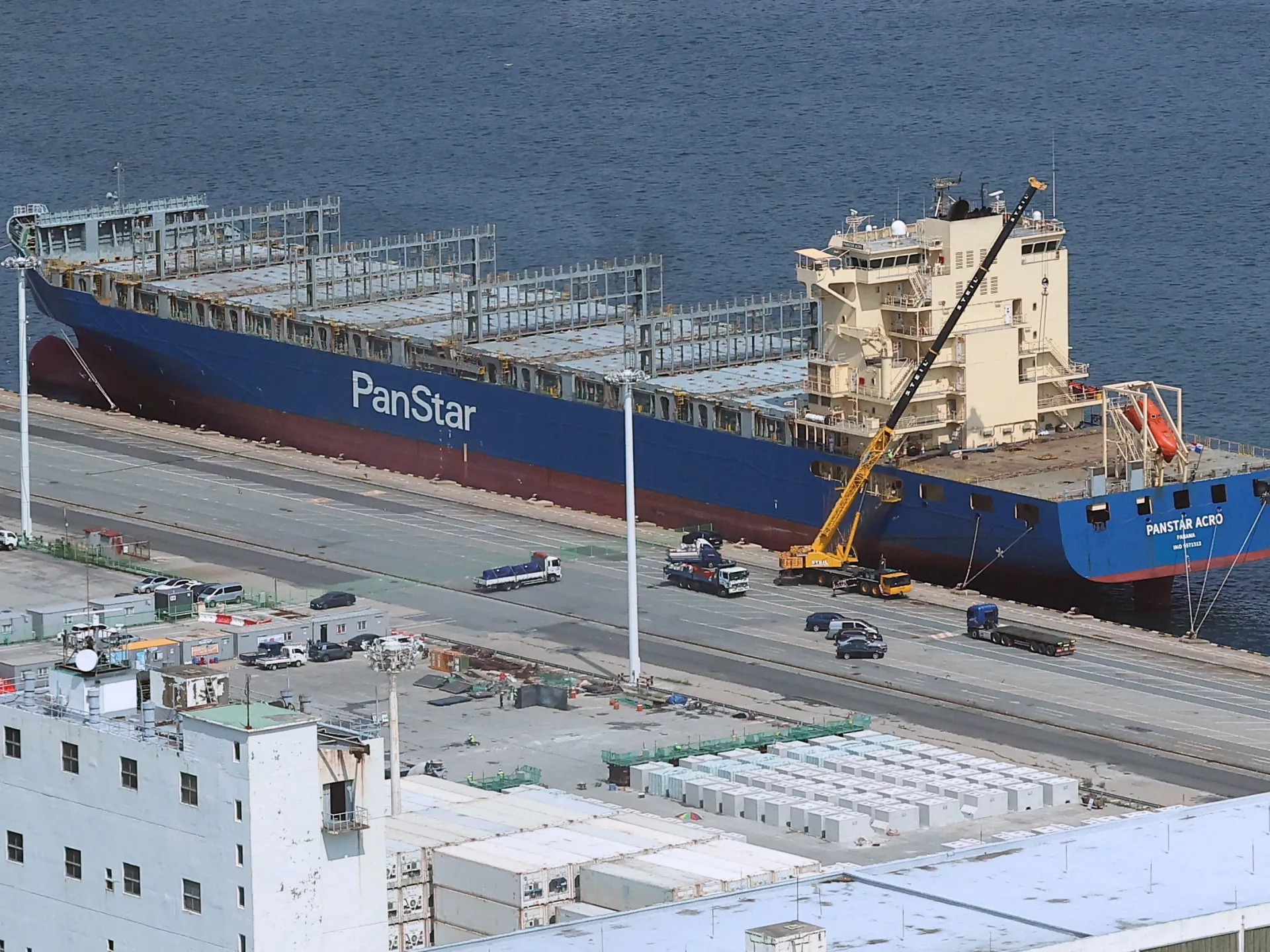
The PanStar Acro, a 2,758 TEU container ship, departed Busan New Port on Saturday for a trial voyage to Europe via the Arctic. The government-backed journey, which will stop in Felixstowe, Rotterdam, and Gdansk, is designed to assess the commercial viability of the Northern Sea Route as an alternative to the Suez Canal. Seoul’s Ministry of Oceans and Fisheries confirmed the departure at 9:30pm local time, marking a significant step in the nation’s maritime strategy.
The voyage is central to President Lee Jae Myung’s strategy to establish the Arctic as a regular trade route by 2030. By routing ships through the Arctic, South Korea aims to cut the Asia-Europe journey by approximately 7,000 kilometres and about 10 days compared to the traditional Suez Canal path. The vessel has secured 837 TEU of cargo, comprising car parts, chemical products, and approximately 100 empty containers, for the trip expected to last 40 to 45 days.
The timing of the launch is driven by disruptions in the Middle East, specifically the Iran war, which has rattled global shipping. With major carriers such as CMA CGM, MSC, and Hapag-Lloyd pledging to avoid Arctic routes due to environmental pressure, this trial represents a distinct policy choice by Seoul to secure alternative logistics. Vice Oceans Minister Nam Jae-hon stated that the Arctic route is "bound to become an alternative" to Middle Eastern shipping lanes.
However, the route is not without geopolitical and environmental scrutiny. Environmental groups warn that increased shipping could accelerate polar ice melt, creating a paradox where the route’s viability depends on further warming. Additionally, the journey risks increasing friction with Western allies seeking to keep Russia isolated in its war with Ukraine. Seoul has consulted with Moscow regarding the voyage, including potential assistance if the ship becomes stuck in ice.
Transit numbers on the Northern Sea Route have risen sharply, with 103 transits by 88 vessels last year, up from 97 in 2024 and 43 in 2022, primarily by Russia and China. According to Norway’s Centre for High North Logistics, the route remains seasonal, accessible only when sea ice has melted sufficiently to allow transits without icebreakers. This seasonal dependency remains a key uncertainty for its long-term reliability as a regular trade lane.