Seoul defies Washington as Trump orders cut to joint military drills
The decision, citing Seoul’s refusal to join the war on Iran and Trump’s ties with Pyongyang, creates immediate friction between political rhetoric and allied defence protocols.
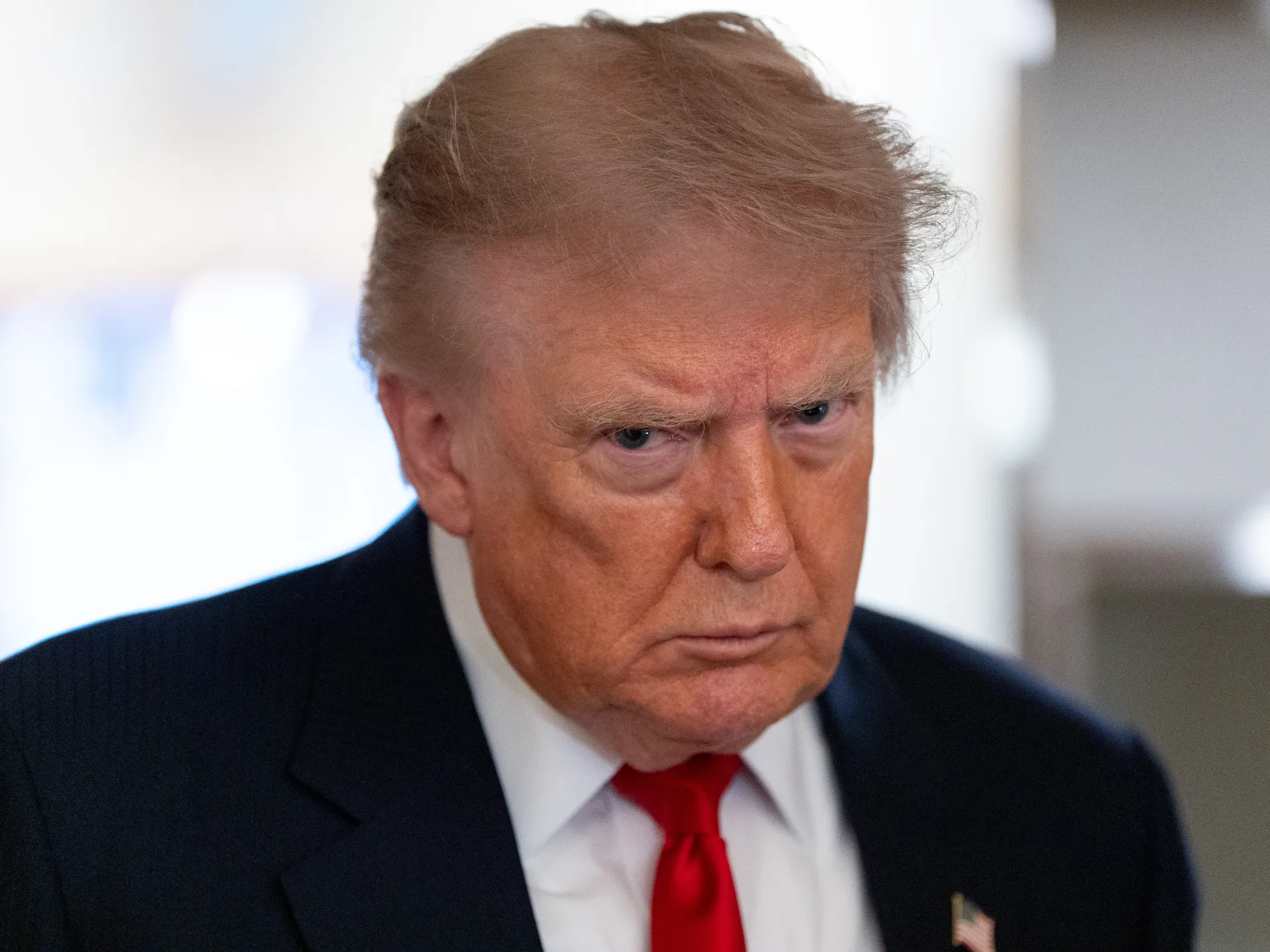
The annual Ulchi Freedom Shield military exercises between the United States and South Korea are proceeding as scheduled, defying a last-minute directive from US President Donald Trump to substantially reduce the scope of the operations. The order, issued by the White House hours before the 11-day drill was set to commence on Monday, 17 August 2026, has created an immediate divergence between Washington’s political messaging and Seoul’s military execution.
President Trump announced the decision via Truth Social, stating that he had directed Defense Secretary Pete Hegseth to scale back the exercises due to their cost and the “hostile” signal they send to North Korea. Trump cited his “very good relationship” with North Korean leader Kim Jong Un as a primary factor, alongside his disappointment that South Korea had refused to join the United States in its war on Iran.
“I recently asked the President of South Korea if they would like to join us in the Denuclearization of the Islamic Republic of Iran, and they said, ‘No thanks!'” Trump wrote. He added that while it was too late to cancel the drills entirely, the Pentagon must reduce their magnitude.
South Korea’s presidential office responded by confirming that the exercises would continue as planned. A spokesperson stated that the government takes note of Trump’s message and expressed hope that the improved relations between the US and North Korean leaders would lead to meaningful bilateral talks aimed at peace and stability on the Korean Peninsula. This stance underscores the operational independence of Seoul’s defence apparatus despite the political pressure from Washington.
The Ulchi Freedom Shield drills, which began in 1976, typically involve 18,000 South Korean soldiers and 28,500 US personnel stationed in the region. The exercises focus on defensive training and have historically included participation from allied nations such as Australia, the United Kingdom, Canada, and New Zealand. The drills come amid heightened regional tensions, with North Korea recently launching ballistic missiles towards the Sea of Japan and denouncing the exercises as a provocation.
Analyst Christopher Green, a senior consultant on the Korean Peninsula for the International Crisis Group, suggested that Trump’s move may be linked to frustration over allies not supporting the US in the conflict with Iran. Green noted that the president’s actions could be an attempt to reinitiate dialogue with North Korea to revive his international standing, although he cautioned that Trump’s social media announcements are not always strategically timed or effective.
South Korean President Lee Jae Myung has previously proposed talks with North Korea to formally end the Korean War and replace the armistice with a peace regime. While Washington and Seoul maintain that the drills are defensive in nature, they have faced annual protests from grassroots organisations in South Korea who argue the exercises escalate regional military tensions.