Senegal’s Pirogue Racers Seek Recognition Amidst Commercial Success
As traditional pirogue races draw large crowds and generate revenue in the Guet Ndar district, competitors argue that cultural preservation requires formal acknowledgment and compensation.
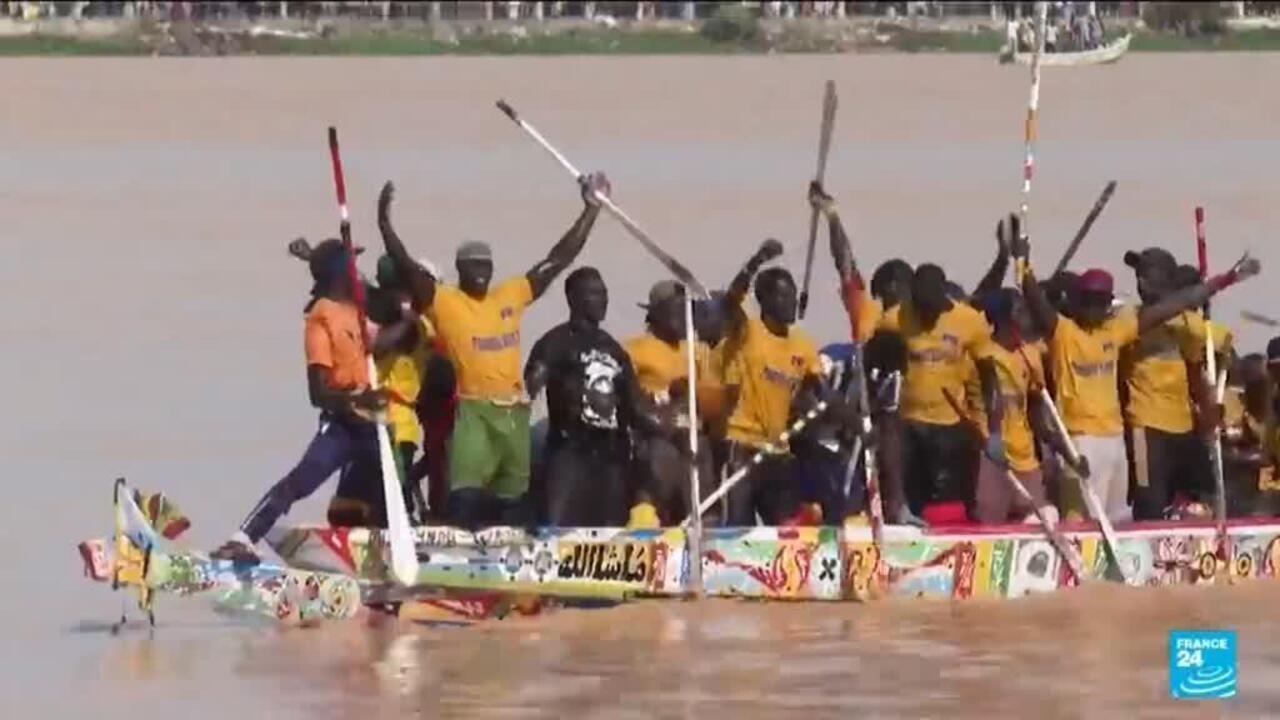
Traditional pirogue racing continues to serve as a vital cultural anchor in Saint-Louis, Senegal, with recent events in the Guet Ndar fishing district highlighting the tension between heritage preservation and the lack of formal support for participants. According to France 24, the races are designed to maintain a practice that has endured for nearly two centuries, yet the athletes involved remain unpaid despite the event's commercial viability.
The 3.5-kilometre competition draws dozens of rowers and attracts significant public attendance, functioning simultaneously as a rigorous sporting contest and a celebration of local identity. The Guet Ndar district, historically a fishing community, hosts the event, which has evolved into a major gathering that underscores the deep-rooted nature of the tradition within the region.
Despite the substantial crowds and the revenue generated by the popularity of the races, the structure of the event does not include financial compensation for the competitors. This disparity has led to calls from the rowers for greater recognition of the sport, suggesting that the current model of participation relies heavily on cultural duty rather than professional or institutional support.
The push for recognition reflects broader concerns regarding the sustainability of traditional sports in Senegal. While the races successfully preserve a link to the past, the lack of payment for competitors indicates a gap between the cultural value of the event and the material support provided to those who sustain it.
As the tradition dates back nearly 200 years, the current discourse focuses on how such heritage can be maintained in a modern context. The competitors’ demands for acknowledgment highlight the need for a framework that values their contribution beyond the immediate spectacle, ensuring that the sport’s future is secured through formal recognition.