Senegal’s Pastef Party Exits Government Talks Amid Debt Crisis and Political Fracture
The ousted prime minister’s decision deepens political instability in Dakar as the nation seeks to resume critical IMF lending negotiations.
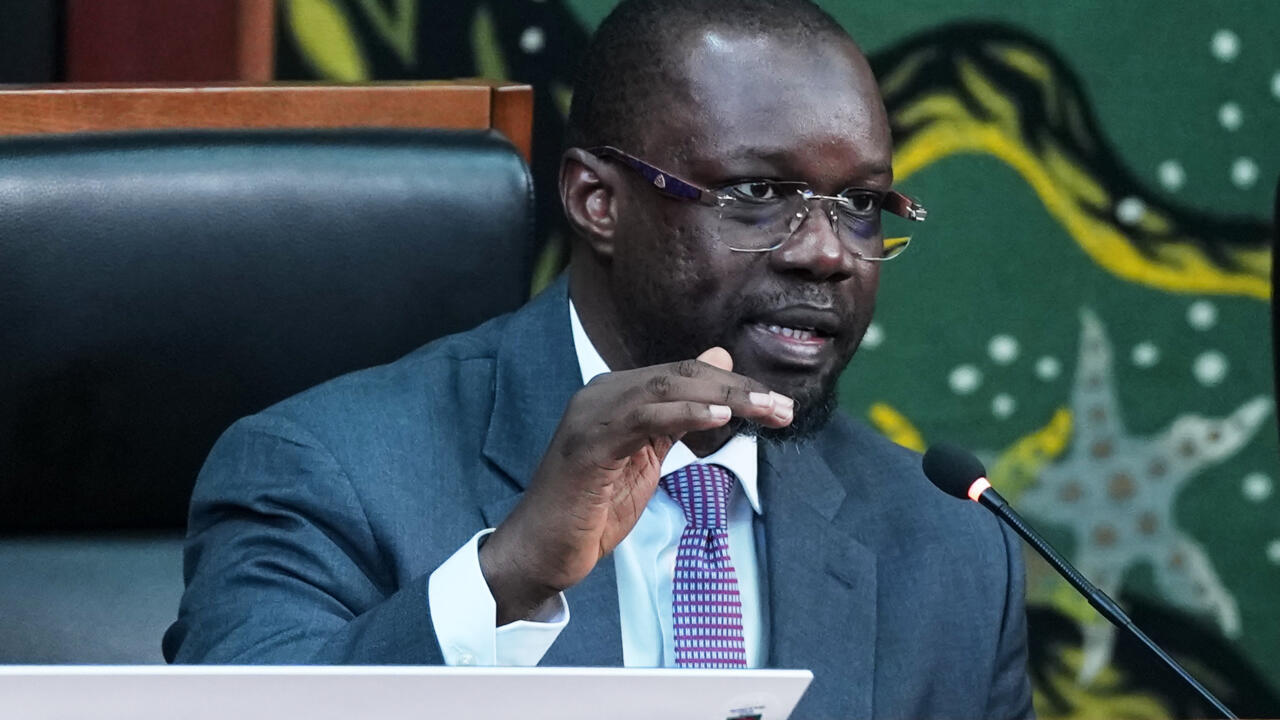
Senegal’s political landscape has shifted sharply following the announcement by Ousmane Sonko that his party, Pastef, will not participate in the new government. The recently ousted prime minister and party president confirmed the decision on Monday, stating that Pastef would hold no ministerial positions in the executive branch. This move follows a meeting with President Bassirou Diomaye Faye, during which Sonko reported that "points of disagreement" emerged regarding the party's role in government, despite Pastef holding a large parliamentary majority.
Sonko articulated the party’s stance in a post on X, declaring that Pastef "will not participate in the next government and will not be represented by any ministers." He concluded his statement by wishing the new team success, marking a formal break between the two leaders who were previously allies. The announcement raises the prospect of further political turmoil in a country already grappling with significant governance challenges.
The political realignment stems from events on 22 May, when President Faye sacked Sonko and dissolved the government. Faye subsequently appointed economist Ahmadou Al Aminou Lo as the new prime minister. In response, lawmakers rebelled against the president’s decision by reinstating Sonko as a member of parliament. In the 165-member assembly, 132 lawmakers supported Sonko’s election as speaker, underscoring the depth of legislative support for the ousted prime minister.
Tensions between Faye and Sonko had been mounting for months prior to the recent upheaval. The current crisis occurs against a backdrop of severe economic instability. Senegal is navigating a debt crisis triggered by the discovery in 2024 of misreported debt by the previous administration. This revelation pushed the country’s end-2024 debt level to 132% of its economic output, severely impacting its fiscal standing.
The International Monetary Fund (IMF) froze its $1.8 billion lending programme with Senegal following the discovery of the misreported debt. Senegal expects to resume talks with the IMF next week, with finance minister officials expressing hope to reach an agreement on key points by 30 June. The exclusion of Pastef from the new government complicates the political environment as the nation attempts to stabilise its economy and restore international financial confidence.