Senegal Speaker Resigns, Deepening Rift Between President Faye and Ousted PM Sonko
El Malick Ndiaye’s departure clears the constitutional path for Ousmane Sonko to seek the head of parliament post, complicating President Bassirou Diomaye Faye’s reform agenda and debt restructuring efforts.
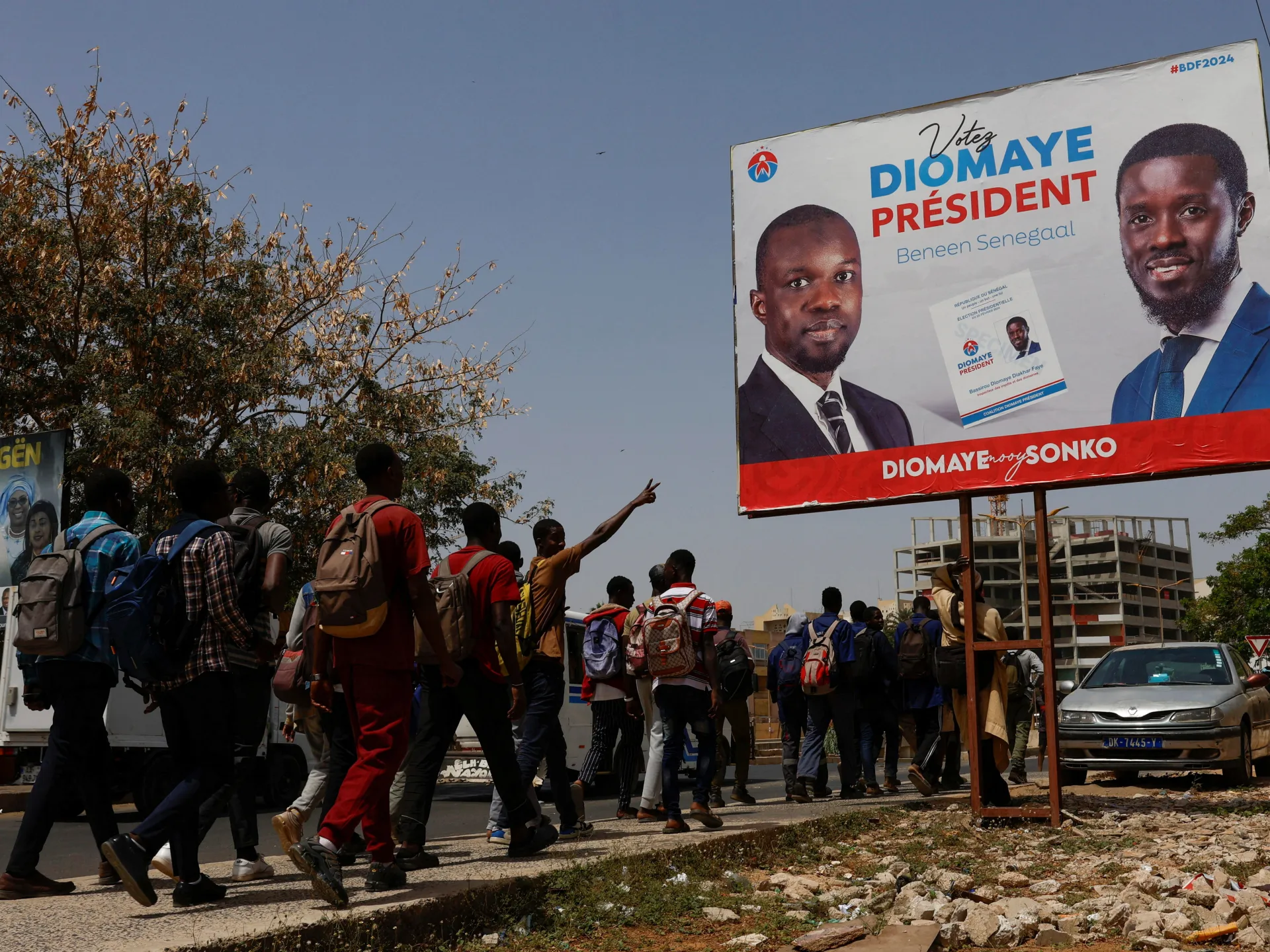
The speaker of Senegal’s parliament, El Malick Ndiaye, has resigned from his post, a move that significantly deepens the political crisis within the ruling Pastef party. Ndiaye’s departure follows the dismissal of Prime Minister Ousmane Sonko by President Bassirou Diomaye Faye on Friday, escalating tensions between two leaders who were previously instrumental in each other’s political rise.
In a statement posted on Facebook, Ndiaye described his resignation as a “personal choice” guided by his “notion of institutions, public responsibility and the greater interest of the nation.” His exit removes the primary constitutional barrier preventing Sonko, who was sacked as prime minister, from running for the position of head of parliament.
Sonko’s potential ascension to the parliamentary leadership poses a direct challenge to President Faye’s authority. The Pastef party holds a strong majority in the National Assembly, meaning Sonko could consolidate significant legislative power if he secures the speakership. This shift threatens to complicate governance and the passage of reforms necessary to stabilise the country’s economy.
The political turmoil comes at a critical juncture for Senegal’s financial negotiations. The International Monetary Fund (IMF) has frozen a $1.8 billion lending programme after uncovering misreported debt hidden by the previous administration of President Macky Sall. This discovery pushed Senegal’s end-2024 debt levels to 132 percent of economic output, exacerbating the nation’s debt crisis.
Finance Minister Cheikh Diba had previously indicated that the government expects to resume talks with the IMF in the second week of June, with a target to reach an agreement on key points by 30 June. However, the internal rift within the ruling coalition increases the risk of further delays in securing this crucial financial support.
Sonko, a former tax official, was jailed ahead of the 2024 election on defamation charges, which barred him from running in the presidential contest. He was released 10 days before the rescheduled vote, which Faye won with 54 percent of the vote. Both men were popular opposition figures under the previous administration, where Sonko’s criticism of President Sall’s decision to delay the election had spurred widespread unrest.
Last month, politicians approved changes to the electoral code that could pave the way for Sonko to run for president in 2029. The Pastef party originally won the 2024 elections on a platform of profound political reform and fighting corruption, but months of public discord between Faye and Sonko have made their governing alliance increasingly uncertain.